Cape York Peninsula, Peninsula in Far North Queensland, Australia
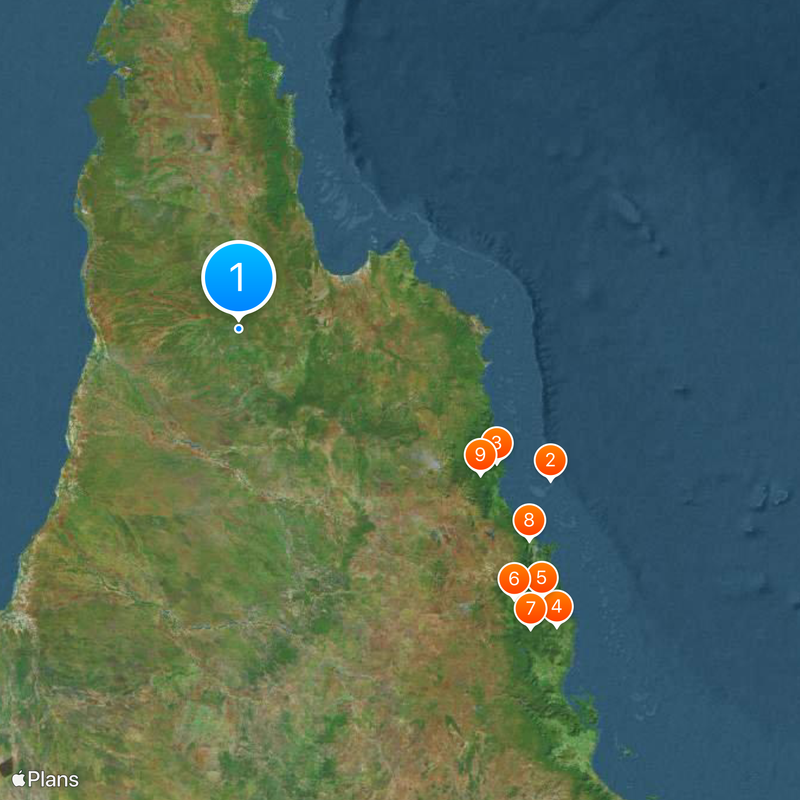
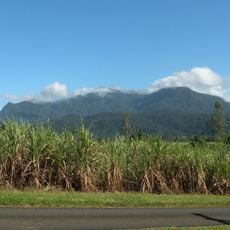
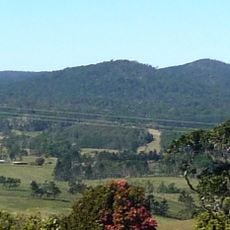
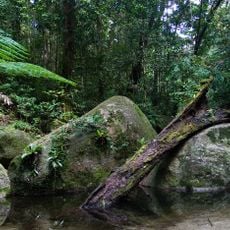
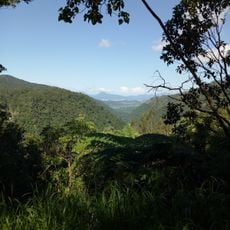
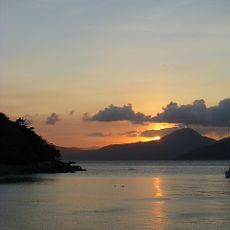
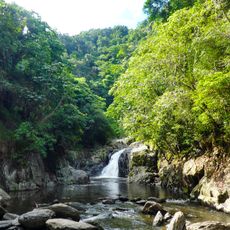
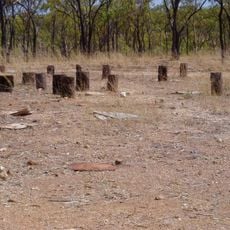
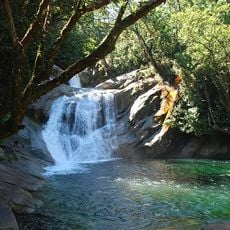
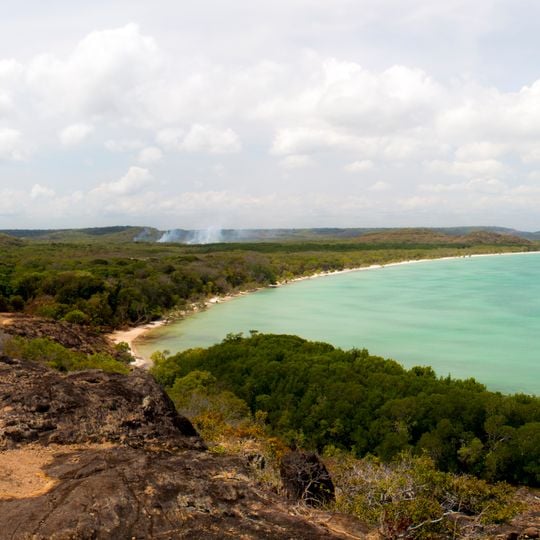
Cape York Peninsula forms the northernmost landmass of the Australian continent, stretching between the Gulf of Carpentaria to the west and the Coral Sea to the east. The region displays dense rainforest on the eastern flank, wide savannas inland and sprawling mangrove forests along the coasts.
Dutch seafarer Willem Janszoon reached the peninsula in 1606, becoming the first European to set foot on mainland Australia. Cook later named the northern tip after the Duke of York, giving the whole region its present name.
The peninsula carries a name given by James Cook in 1770 during his voyage along the eastern coast, honoring the Duke of York. Visitors today see settlements and communities where Indigenous people maintain their relationship with the land through gardens, fishing grounds and meeting places.
Travel to the region is best during the dry season from April to November, when tracks and river crossings become passable. Hikers and drivers should carry plenty of drinking water, sun protection and a four-wheel-drive vehicle.
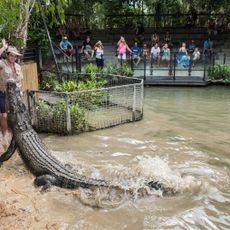
The peninsula hosts more than 260 plant species found nowhere else on Earth, scattered across rainforests, wetlands and uplands. This biodiversity thrives in the 19 nationally important wetlands, which draw water buffalo, crocodiles and migratory birds.
Location: Far North Queensland
Elevation above the sea: 67 m
GPS coordinates: -15.00000,143.00000
Latest update: December 4, 2025 23:05
The Australian outback encompasses a vast territory featuring distinctive geological characteristics, including ancient sandstone formations, deep canyons, and expansive salt lakes. This region contains some of Earth's oldest landscapes, from the red monoliths of the Northern Territory to the layered rock formations of Western Australia. Visitors can explore underground settlements created as shelter from extreme temperatures, as well as impact craters dating back millions of years. The collection includes sites such as Uluru and Kata Tjuta in the Northern Territory, which represent massive red sandstone formations. Kings Canyon offers tall sandstone cliffs and gorges, while Purnululu National Park in Western Australia is known for its orange and black striped sandstone domes. Other notable locations include the Devils Marbles (Karlu Karlu), rounded granite boulders in the Northern Territory, and Wolfe Creek Crater, one of the world's largest meteorite craters. Karijini National Park displays deep gorges with layered rock, while Ningaloo Reef on the western coast hosts a coral reef system. The region also contains rainforest areas such as the Daintree Rainforest in Queensland and wilderness areas in Tasmania.
Paronella Park
432.3 km
Mount Bartle Frere
402.6 km
Atherton Tableland
383.3 km
Devil's Pool, Australia
402.5 km
Wet Tropics of Queensland
414.6 km
Daintree National Park
281.2 km
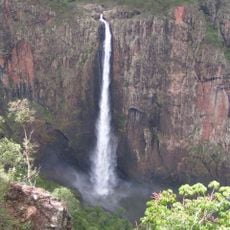
Wallaman Falls
499 km
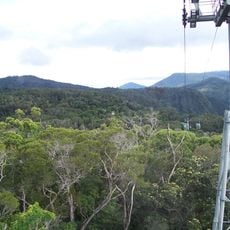
Skyrail Rainforest Cableway
354.3 km
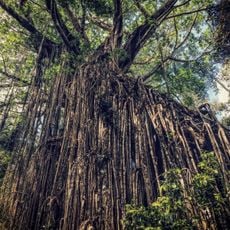
Curtain Fig Tree
374.8 km
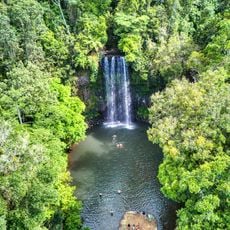
Millaa Millaa Falls
393.7 km
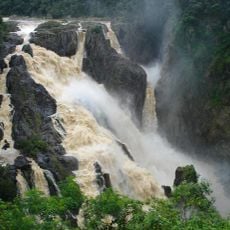
Barron Falls
349 km
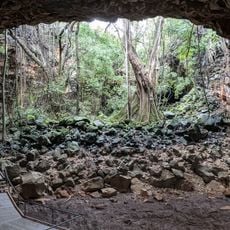
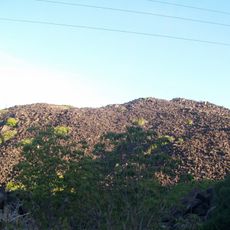
Undara Volcanic National Park
394.9 km
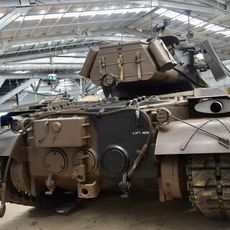
The Australian Armour and Artillery Museum
354.5 km
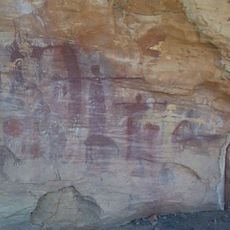
Quinkan rock art
177.2 km
Kalkajaka National Park
250.6 km
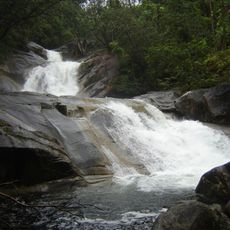
Josephine Falls
408.7 km
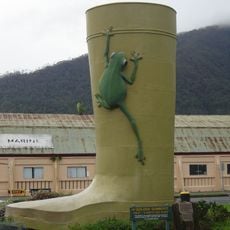
Golden Gumboot
452 km
Barron Gorge National Park
351.5 km
Cairns Convention Centre
366.6 km
Fitzroy Island National Park
385.6 km
Crystal Cascades
360.4 km
Hartley’s Crocodile Adventures
331.2 km
Mount Hypipamee crater
378.8 km
Maytown
180.6 km
Wooroonooran National Park
398 km
Cape Melville National Park (Cape York Peninsula Aboriginal Land)
172.8 km
Girringun National Park
468.2 km
Cairns Pop-Up Arena
366.1 kmReviews
Visited this place? Tap the stars to rate it and share your experience / photos with the community! Try now! You can cancel it anytime.
Discover hidden gems everywhere you go!
From secret cafés to breathtaking viewpoints, skip the crowded tourist spots and find places that match your style. Our app makes it easy with voice search, smart filtering, route optimization, and insider tips from travelers worldwide. Download now for the complete mobile experience.
A unique approach to discovering new places❞
— Le Figaro
All the places worth exploring❞
— France Info
A tailor-made excursion in just a few clicks❞
— 20 Minutes