Hawaii hotspot, Volcanic hotspot in Pacific Ocean, United States
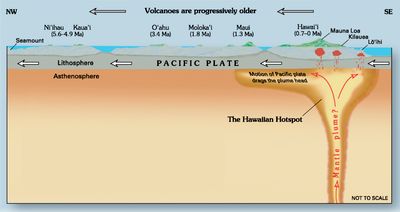
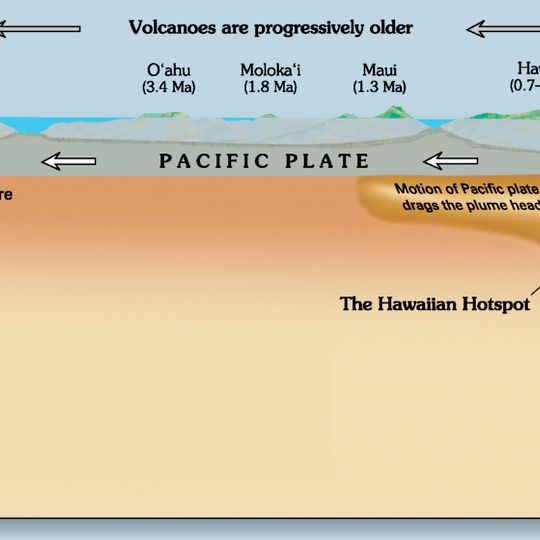
The Hawaii hotspot is a geological feature in the Pacific Ocean where molten rock rises from the Earth's mantle to form volcanoes as the Pacific plate moves overhead. This movement creates a chain of islands and underwater mountains stretching across thousands of kilometers.
A theory from the 1960s explained how volcanoes could form far from plate boundaries when a fixed source of magma in the mantle remains active. This idea helped researchers understand why the Hawaiian islands are arranged in a straight line across the ocean.
The Hawaiian Volcano Observatory, established in 1912 by Thomas Jaggar, continues monitoring volcanic activity and contributing to geological research of the region.
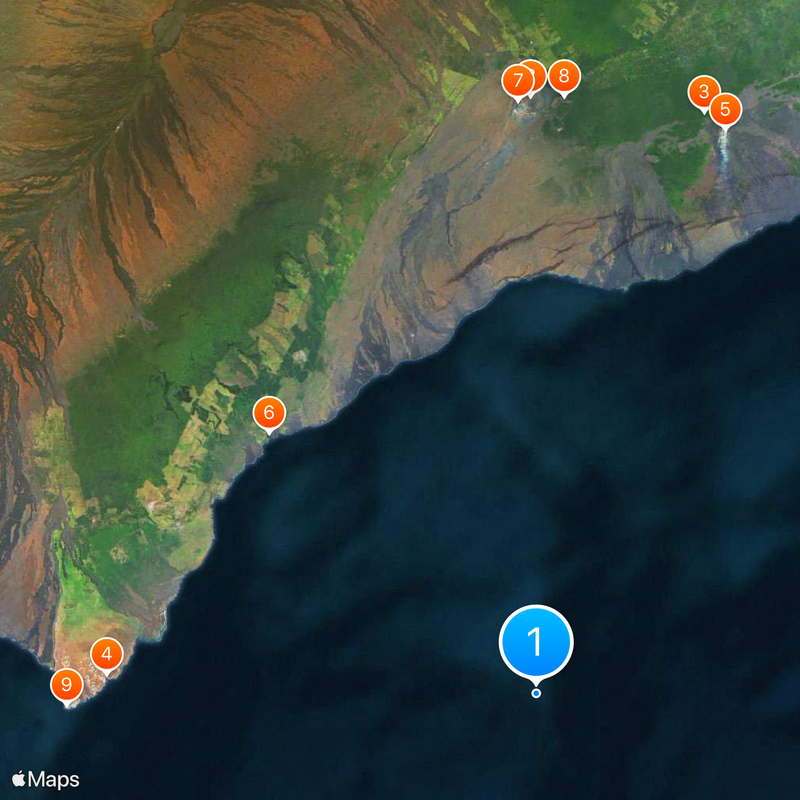
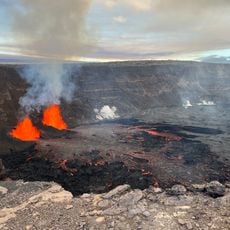
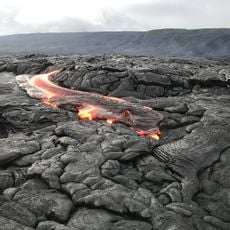
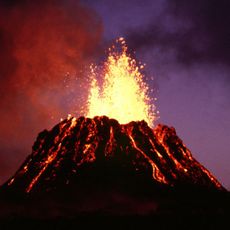
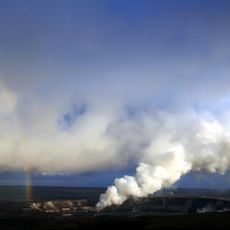
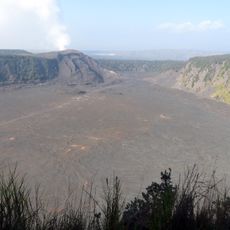
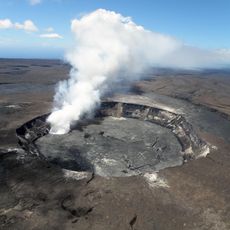
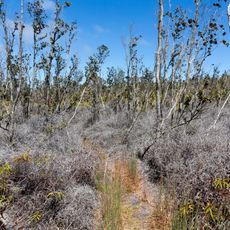
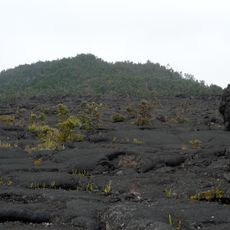
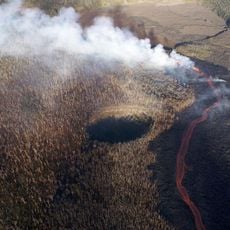
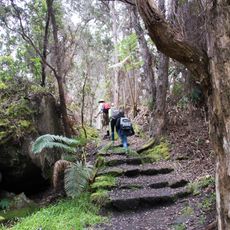
Active volcanoes and lava flows on the main island can be observed from designated viewing points and trails maintained by park authorities. Conditions can change quickly, so checking current information before visiting is advisable.
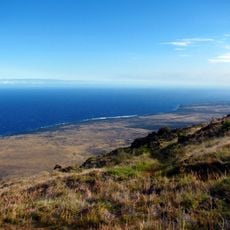
The oldest islands in this volcanic chain now lie nearly 6200 kilometers (3850 miles) northwest of the youngest ones, showing the direction the ocean plate has traveled over millions of years. Some of these older islands have since sunk below the ocean surface and form underwater mountains.
The community of curious travelers
AroundUs brings together thousands of curated places, local tips, and hidden gems, enriched daily by 90,752 contributors worldwide.