Maui, Volcanic island in Maui County, Hawaii, United States.
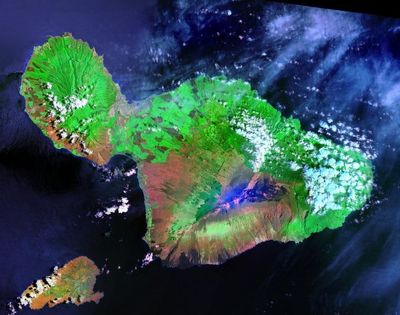
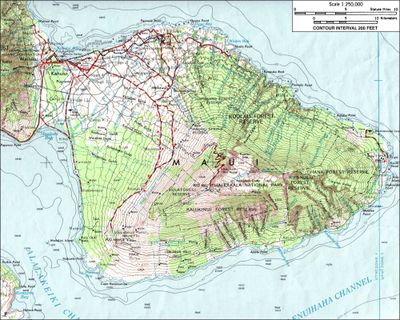
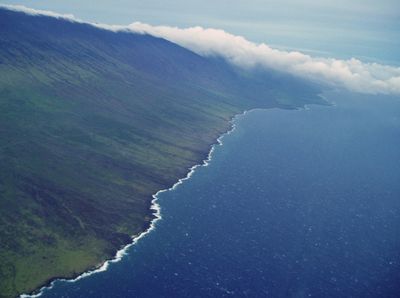
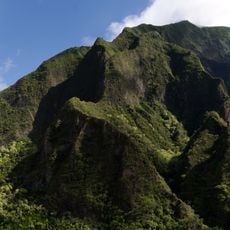
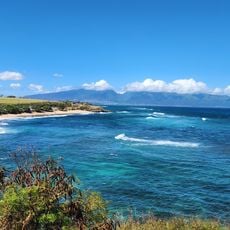
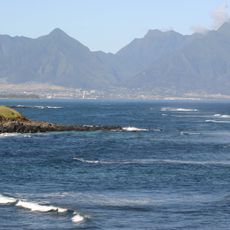
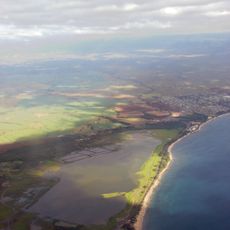
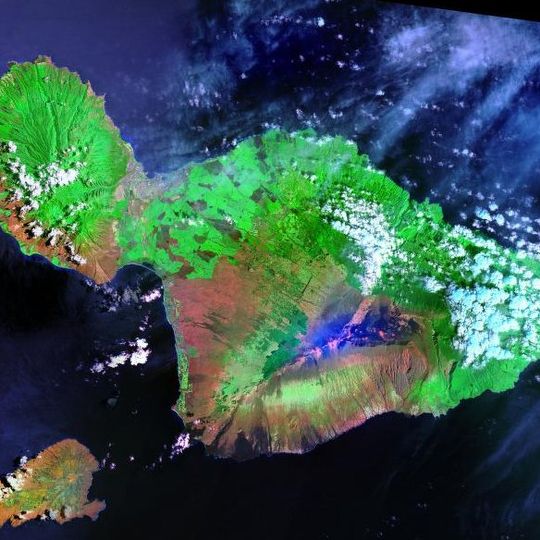
Maui is a volcanic island in Maui County, Hawaii, United States, shaped by two dormant volcanoes: Haleakala in the east and the West Maui Mountains in the west. The landmass spans 1,883 square kilometers (727 square miles) and features coastal plains, deep valleys between mountain slopes, and vegetation zones ranging from sea level to alpine regions.
Polynesian voyagers reached the island over 1,000 years ago and established settlements that relied on fishing, agriculture, and irrigation systems built in the valleys. European contact in the late 18th century brought profound changes to land ownership, economy, and social structures.
Hawaiian language appears on street signs, in schools, and during public events, while many residents use traditional greetings and expressions in daily conversation. Local markets offer handmade textiles, wood carvings, and musical instruments crafted by families following ancestral methods passed down through generations.
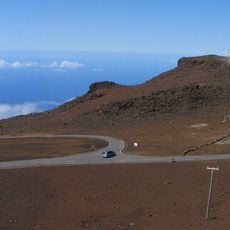
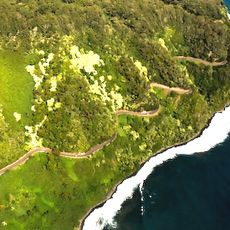
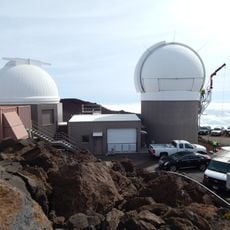
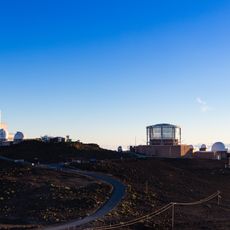
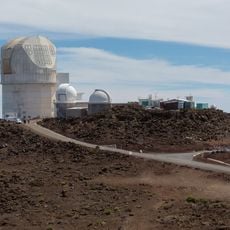
A public bus system connects the main towns such as Kahului, Lahaina, and Kihei, running daily from early morning to late evening. Roads along the coast provide access to beaches and lookout points, while mountain roads lead to the summit of Haleakala, where temperature and weather conditions differ sharply from the coastline.
The crater of Haleakala contains several climate zones within close range, from subtropical rainforest at its base to alpine desert at its summit. Visitors can experience these transitions during a single drive, as vegetation and humidity change dramatically with increasing elevation.
The community of curious travelers
AroundUs brings together thousands of curated places, local tips, and hidden gems, enriched daily by 92,653 contributors worldwide.