Kealakekua Bay, Marine conservation bay in Kona District, United States
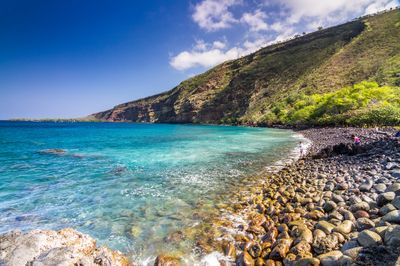
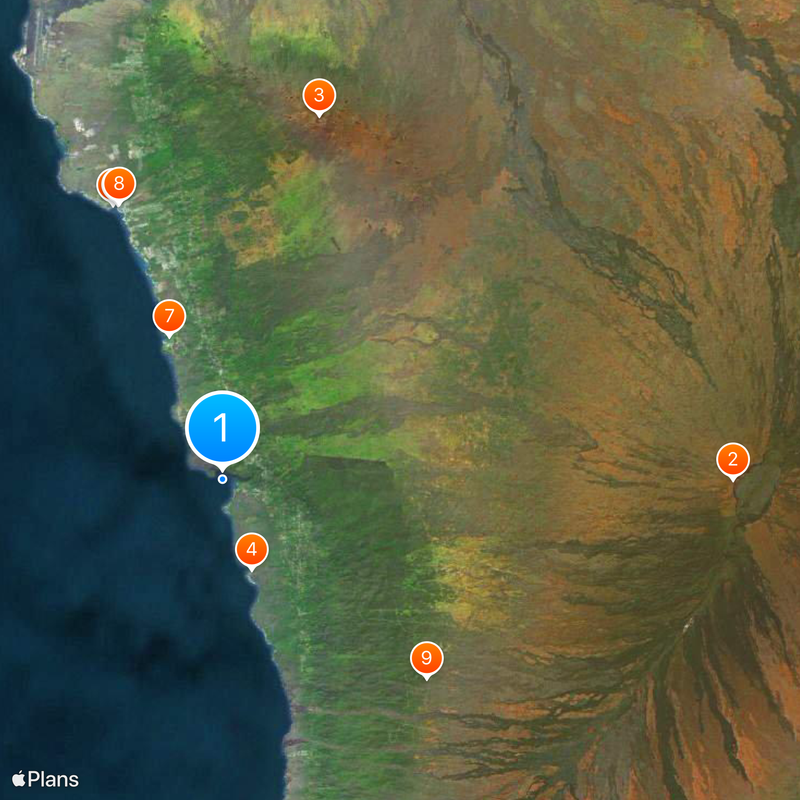
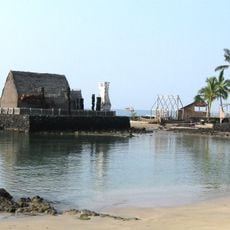
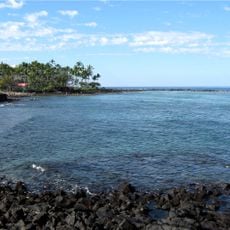
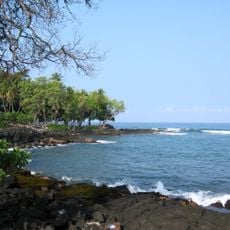
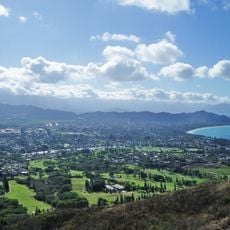
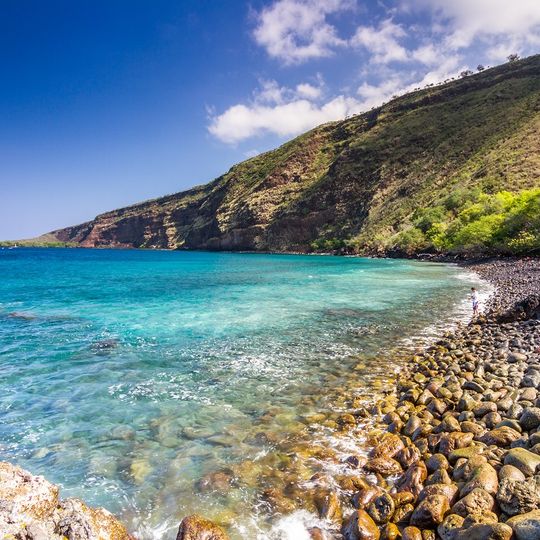
Kealakekua Bay is a marine bay on the west coast of Hawaii's Big Island. It stretches about 1 mile (1.6 km) wide and is rimmed by steep cliffs, while the water below holds coral reefs and abundant marine life.
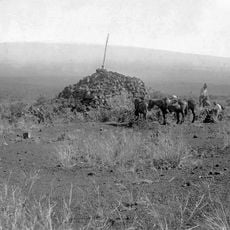
The bay gained global attention when British navigator James Cook arrived in 1779 during his exploration voyage across the Pacific. His stay led to a conflict with local residents that resulted in his death at this location.
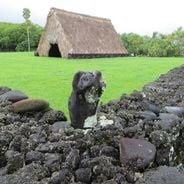
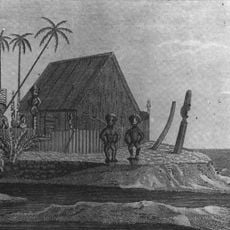
The name Kealakekua means "pathway of the gods" in Hawaiian, reflecting the spiritual significance this place held for native people. The bay served as a gathering and trading hub for the local community.
The bay is best reached by guided kayak or boat tours organized by local operators. Water activities require proper planning, and visits work best during calmer weather and daylight hours.
A white obelisk erected in 1878 stands on the northern shore and marks a turning point in Pacific history. The monument is easier to spot from the water than from the land, as it sits on a small promontory.
The community of curious travelers
AroundUs brings together thousands of curated places, local tips, and hidden gems, enriched daily by 60,000 contributors worldwide.