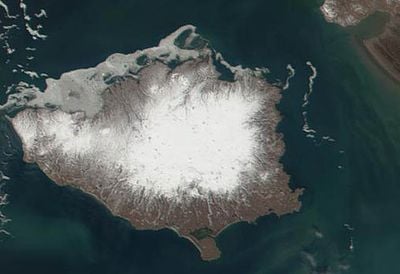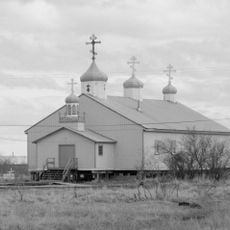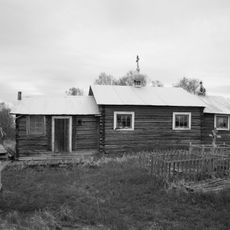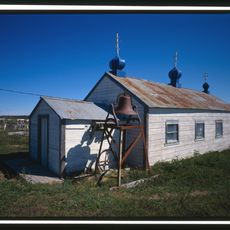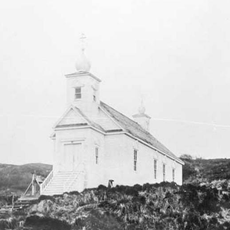
Nunivak Island, Volcanic island in Bering Sea, Alaska, United States.
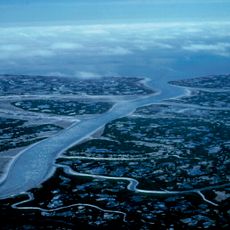
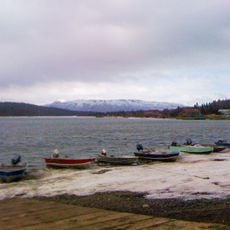
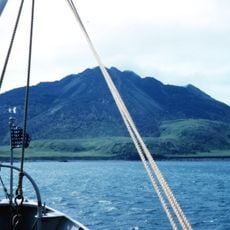
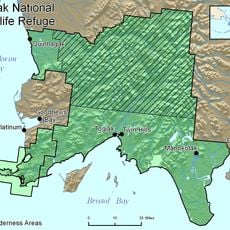
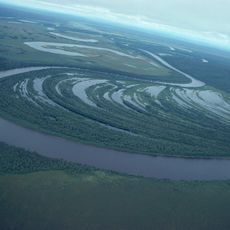
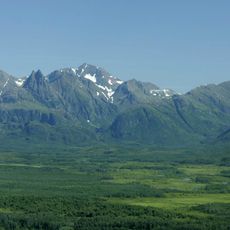
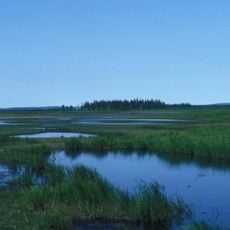
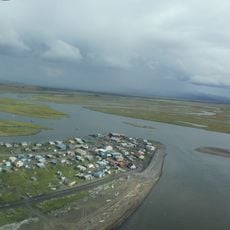
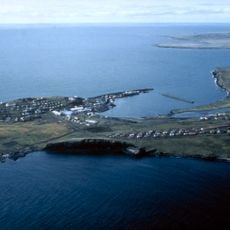
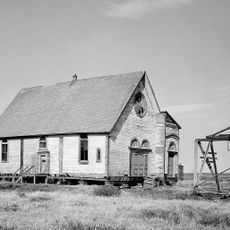
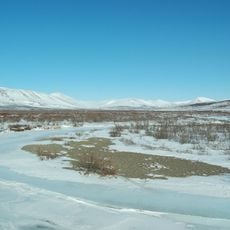
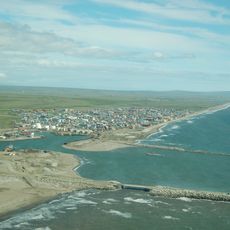
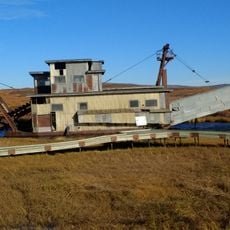
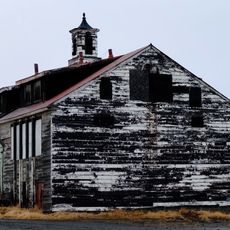
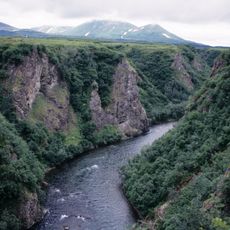
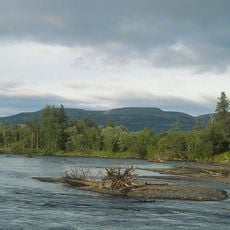
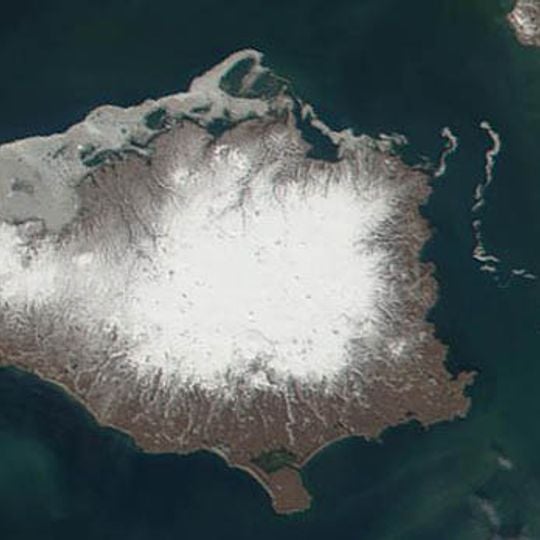
Nunivak Island is a volcanic island in the Bering Sea off Alaska's southwestern coast, formed by tundra, volcanic plateaus, and numerous cinder cones. The landscape consists of harsh terrain shaped by its volcanic origins and covered by low vegetation typical of arctic regions.
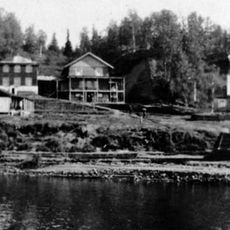
Russian explorers discovered the island in 1821, but its remote location prevented outside influences from reaching it for a long time. This isolation allowed the indigenous population to maintain their traditions and way of life relatively unchanged.
The island's residents craft traditional masks for ceremonial and healing purposes, a practice that remains central to community life today. These handmade objects reflect the spiritual beliefs and artistic traditions of the local people.
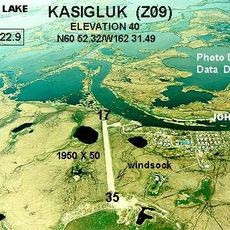
Access to the island requires small aircraft or boats, as there are no permanent roads. Visitors should prepare for harsh weather conditions and limited supply options during their stay.
The island is home to musk oxen introduced from Greenland in 1935 and wild reindeer herds that shape hunting practices today. These animals have adapted to the harsh climate and become an unexpected part of the arctic ecosystem.
The community of curious travelers
AroundUs brings together thousands of curated places, local tips, and hidden gems, enriched daily by 90,830 contributors worldwide.