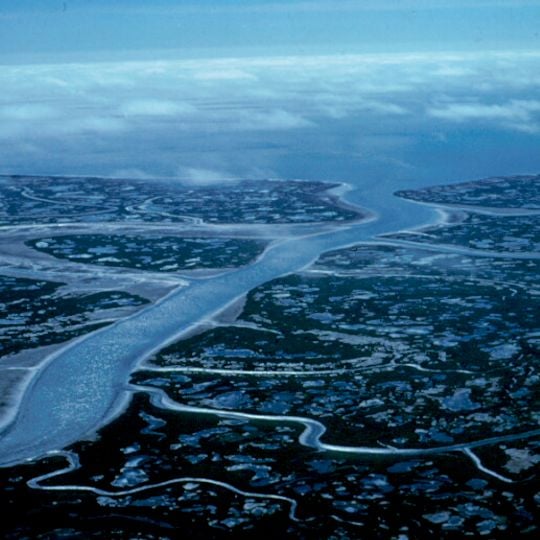
Yukon Delta National Wildlife Refuge, National Wildlife Refuge in southwestern Alaska, United States.
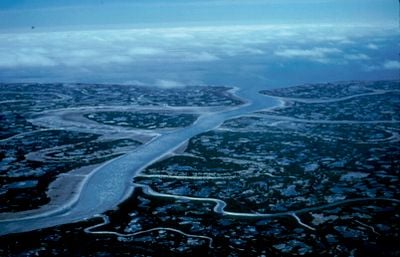
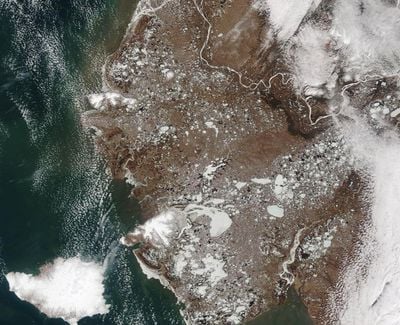
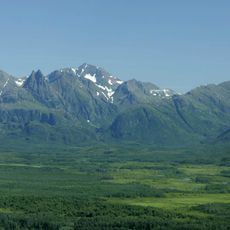
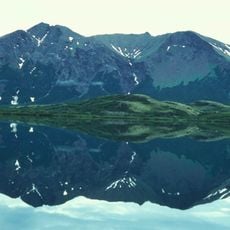
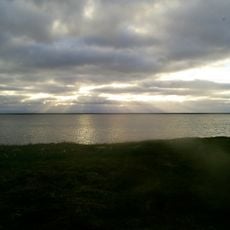
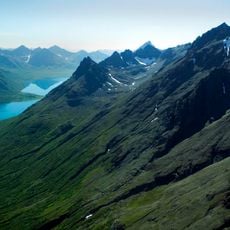
The Yukon Delta National Wildlife Refuge is a federally protected nature reserve in southwestern Alaska, lying between the Yukon and Kuskokwim rivers and reaching the shore of the Bering Sea. The terrain is almost entirely flat, covered by open tundra and wetlands broken up by thousands of lakes, ponds, and winding river channels.
The area received its first federal protections in the early 1900s, but the refuge took its current shape through a major expansion tied to the Alaska National Interest Lands Conservation Act of 1980. That legislation significantly enlarged the protected zone and gave it a clearer legal status.
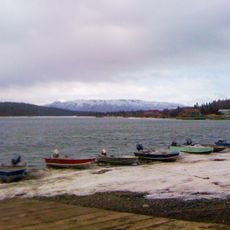
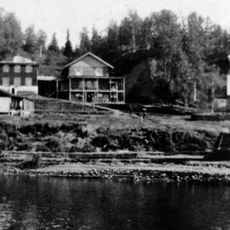
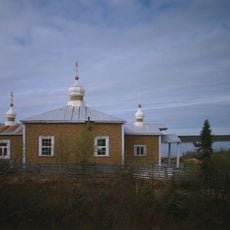
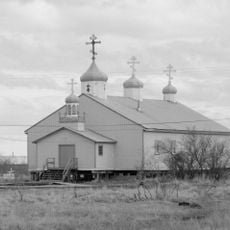
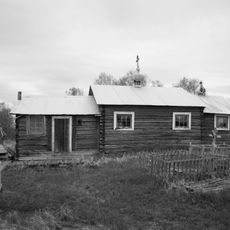
Yup'ik communities have lived across this delta for generations, and their daily life still revolves around fishing and hunting in these waters. Visitors passing through the area can see how closely connected the villages remain to the land and rivers around them.
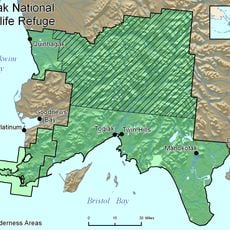
The refuge is administered from offices in Bethel, the hub for access; travel onward is by small plane or boat, and within the delta by local boats or floatplanes. The Andreafsky Wilderness, about 1,300,000 acres in the northern section, is reached via the Andreafsky River and its East Fork, which flow southwest into the Yukon. Much of the delta is wetland near sea level, often flooded by Bering Sea tides, so plan around tides and weather.
This delta is one of the most important waterfowl breeding grounds in the world, drawing birds that spend the rest of the year as far away as South America and Asia. A bird spotted on a beach in Argentina or Japan in winter may well have hatched in one of these tundra ponds.
The community of curious travelers
AroundUs brings together thousands of curated places, local tips, and hidden gems, enriched daily by 92,642 contributors worldwide.