Togiak National Wildlife Refuge, National Wildlife Refuge in southwestern Alaska.
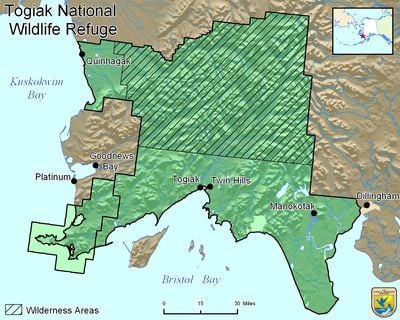
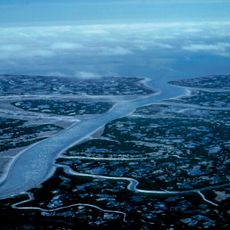
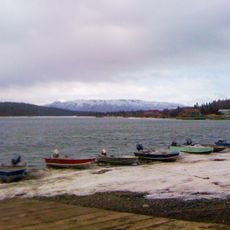
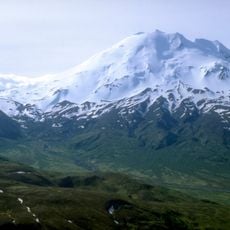
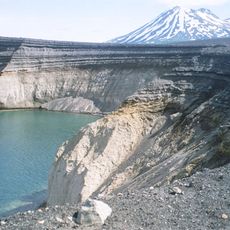
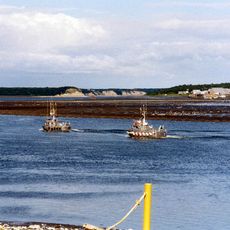
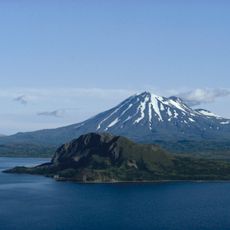
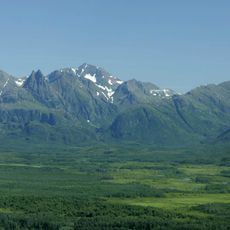
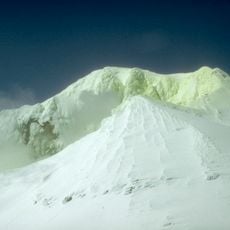
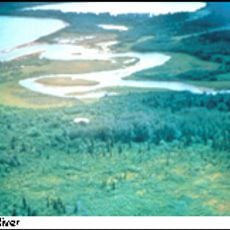
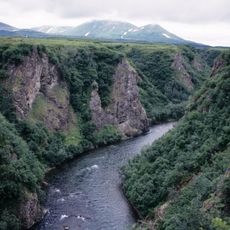
Togiak National Wildlife Refuge covers 4,102,537 acres in southwestern Alaska, from the cold waters of Bristol Bay north to the Ahklun Mountains. Glacial ice carved much of its terrain, and the Togiak Wilderness protects 2,274,066 acres of rivers, lakes and steep-sloped mountains in the northern half. It borders Wood-Tikchik State Park to the southeast.
In 1969 part of today's refuge was protected as Cape Newenham National Wildlife Refuge. The Alaska National Interest Lands Conservation Act of 1980 enlarged it to roughly 19,000 km² and renamed it Togiak. Excavations at Security Cove show human presence up to 5,000 years old, and James Cook reached the area in 1778.
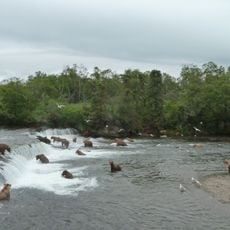
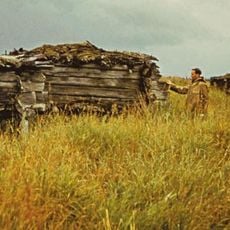
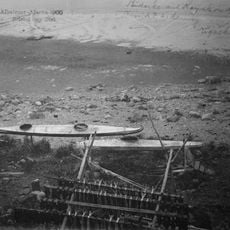
Excavations show continuous settlement around Togiak for more than 2,000 years, and traces of human presence up to 5,000 years old were found at Security Cove. The first contact between southwest Alaska's Native peoples and Europeans came in 1778, when James Cook visited the area. Salmon remain a primary subsistence source for local residents.
Access is primarily by aircraft since no roads reach the region. Visitors should be prepared for unpredictable weather and limited facilities, and hiring local guides helps ensure safe navigation.
At Cape Peirce, in the far southwest of the refuge, up to 12,000 Pacific walruses gather on the coast. Excavations at Security Cove uncovered traces of human presence up to 5,000 years old, and the Togiak area shows continuous settlement for more than 2,000 years.
The community of curious travelers
AroundUs brings together thousands of curated places, local tips, and hidden gems, enriched daily by 94,654 contributors worldwide.