Council City and Solomon River Railroad, railway line in the United States of America
The Council City and Solomon River Railroad is a historic railway line built starting in 1903 near Nome, Alaska, to transport miners and supplies to gold fields in the interior. The route ran roughly 35 miles from Solomon River at the coast to Council City inland, using locomotives originally built for city streetcar service in New York in the 1880s.
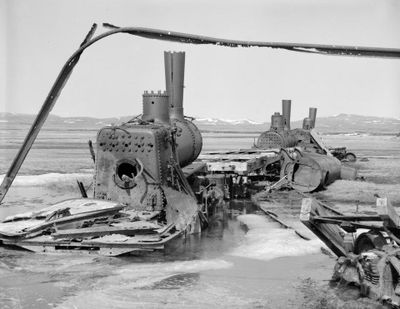
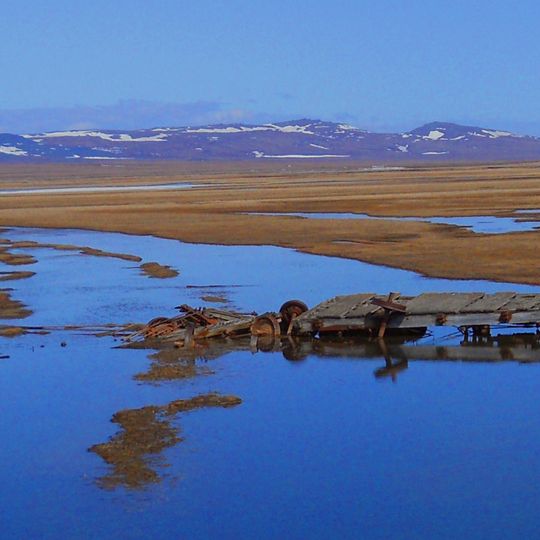
Built beginning in 1903 to serve the gold mining boom in the Seward Peninsula, the line operated for only a few years before financial troubles ended the project around 1907. The remains of the locomotives and equipment were left behind and eventually became protected as a historic site on the National Register of Historic Places.
The railway's name reflects its two endpoints, Council City and Solomon River, marking a link between remote mining communities. The locomotives and tracks were once symbols of connection and progress in isolated settlements where miners and workers depended on regular supplies. Today, the abandoned engines stand as reminders of how transportation shaped daily life during that era.
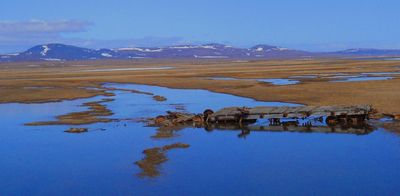
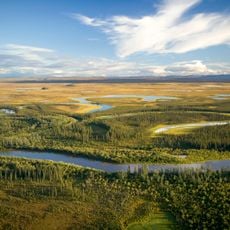
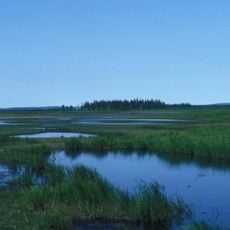
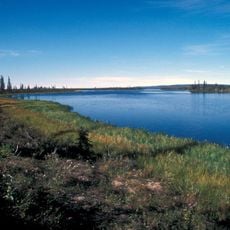
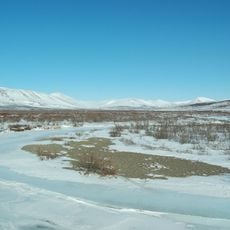
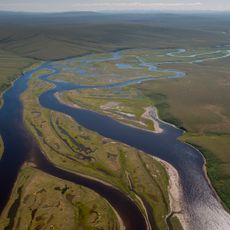
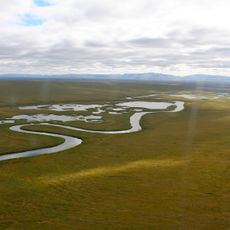
The railroad remains are visible from the Nome-Council Highway near Mile 31 and are accessible for walking exploration. The site sits on open tundra terrain with minimal vegetation, making it easy to approach the abandoned locomotives and equipment from multiple directions.
The locomotives operating here were originally built in New York in 1881 and 1886 for city streetcar service before being shipped to Alaska in 1903. This unexpected repurposing of used urban rail equipment reflects the resourceful solutions needed to develop remote gold fields.
The community of curious travelers
AroundUs brings together thousands of curated places, local tips, and hidden gems, enriched daily by 91,508 contributors worldwide.