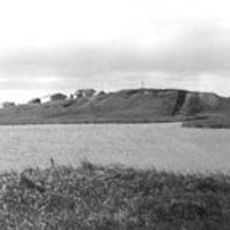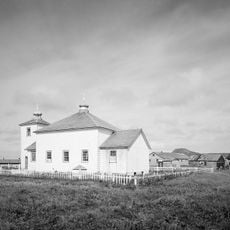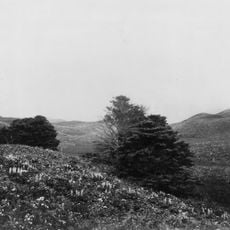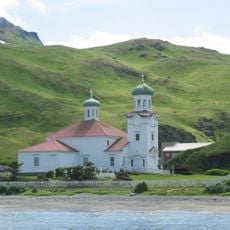
Seal Island Historic District, Archaeological site in Aleutians West Census Area, United States.
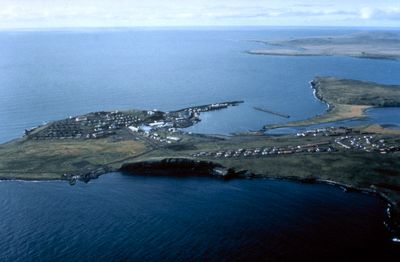
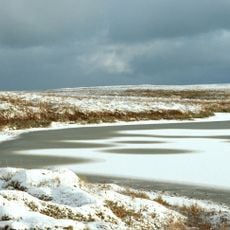
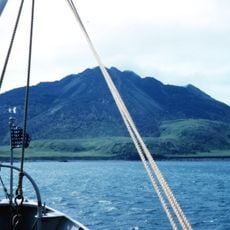
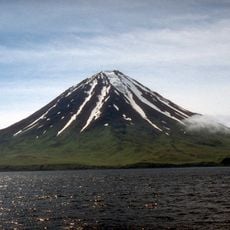
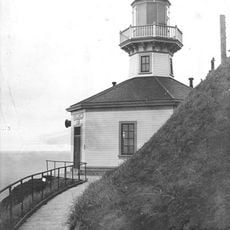
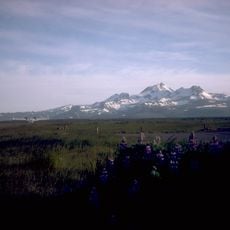
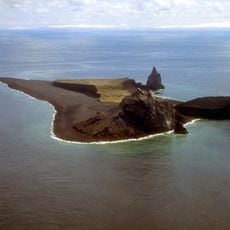
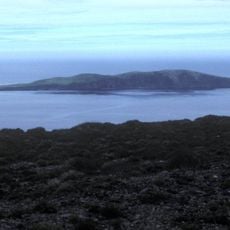
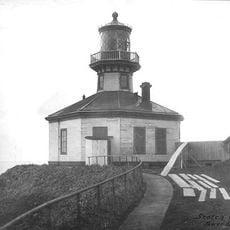
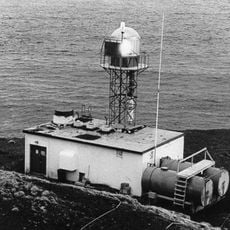
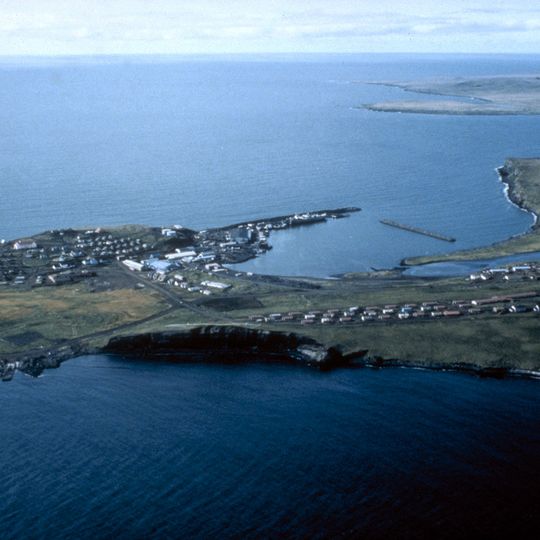
Seal Island Historic District comprises St. George and St. Paul islands in the Bering Sea, protected as both an archaeological site and National Historic Landmark. The islands contain remains of settlements, churches, and buildings that reflect different periods of human activity in this remote region of Alaska.
Russian fur traders established the first settlements in 1786, beginning extensive seal hunting operations that continued until the United States purchased Alaska in 1867. After this transfer, commercial activities continued under American management with evolving policies about how to use and protect marine populations.
Russian Orthodox churches and community buildings throughout the islands show how Russian, Native Alaskan, and American traditions merged and shaped daily life. Walking through the settlements, visitors can see how these cultural layers remain visible in the way spaces are used and maintained.
The site is remote and accessible only by boat or airplane, requiring careful planning and proper gear for harsh weather conditions. Most areas require guided tours or special permission, and visitors should expect unpredictable weather and limited accommodation options.
The 1911 North Pacific Fur Seal Convention, signed by the United Kingdom, Japan, Russia and the United States, was one of the first international conservation treaties. It followed a collapse of the herd from an estimated millions to under 300,000. The treaty expired in 1985, ending commercial sealing; the herd, about 1.5 million in 1952, is now mainly subject to Aleut subsistence hunting.
The community of curious travelers
AroundUs brings together thousands of curated places, local tips, and hidden gems, enriched daily by 92,634 contributors worldwide.