Izembek National Wildlife Refuge, National Wildlife Refuge in Aleutians East Borough, US.
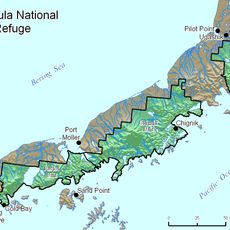
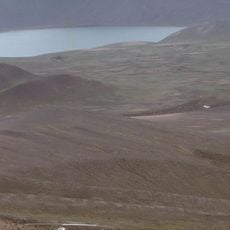
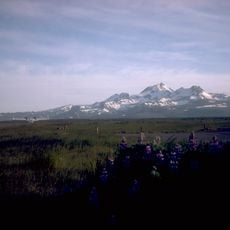
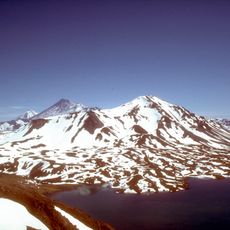
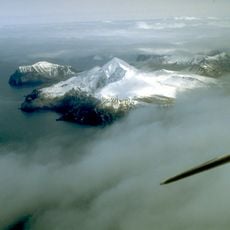
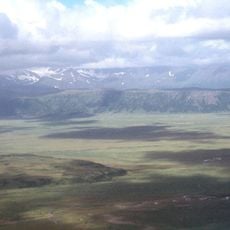
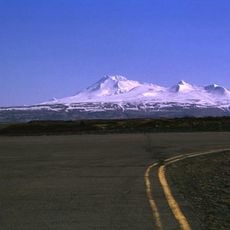
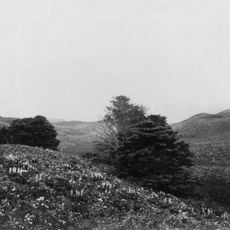
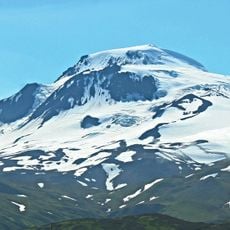
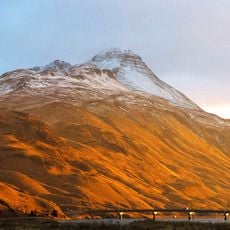
Izembek National Wildlife Refuge covers 315,000 acres on the Bering Sea side of the Alaska Peninsula, between the Bering Sea and the Gulf of Alaska. At its centre lies Izembek Lagoon, 30 miles long and 5 miles wide, holding one of the world's largest eelgrass beds. Almost all of the refuge, 307,982 acres, was designated wilderness in 1980.
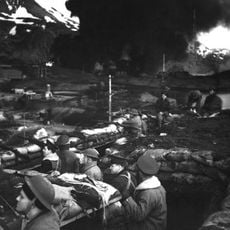
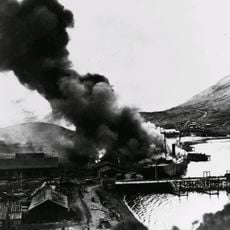
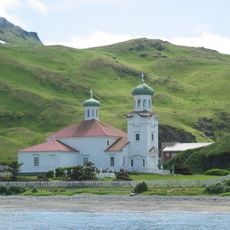
The Izembek area was named in 1827 by Count Feodor Lutke after the ship's doctor Karl Izembek. The Izembek State Game Refuge, covering the lagoon and its surroundings, has been protected since 1960. In 1980 the Alaska National Interest Lands Conservation Act designated almost all of the federal refuge, 307,982 of 315,000 acres, as wilderness. During World War II about 20,000 US Army soldiers were stationed at Fort Randall near Cold Bay.
The name Izembek comes from Karl Izembek, a ship's doctor on one of the first Russian vessels in the area; Count Feodor Lutke named the region after him in 1827. Each fall around 150,000 black brant gather at Izembek Lagoon, nearly the entire world population, alongside tens of thousands of Canada and emperor geese.
Access to this remote refuge typically requires a boat or plane, as the region is isolated from standard transportation networks. The best time to visit is during bird migration seasons when millions of waterfowl arrive and the activity is most intense.
The Izembek Lagoon holds one of the world's largest eelgrass meadows, providing abundant food for arriving birds. This rare ecosystem makes the area one of the most important staging grounds for migratory birds across the entire North Pacific.
The community of curious travelers
AroundUs brings together thousands of curated places, local tips, and hidden gems, enriched daily by 92,623 contributors worldwide.