Mount Veniaminof, Active stratovolcano in Alaska Peninsula, US
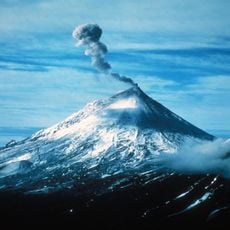
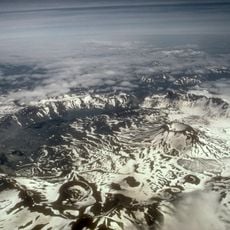
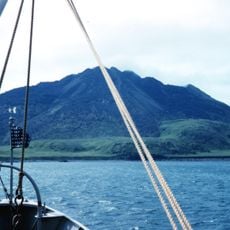
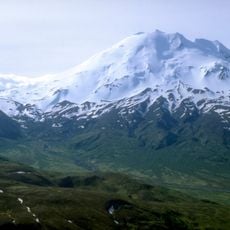
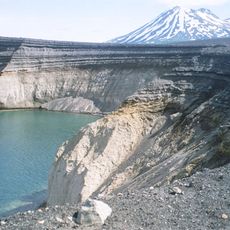
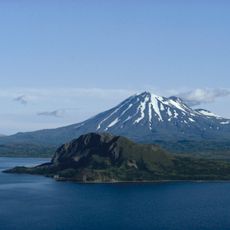
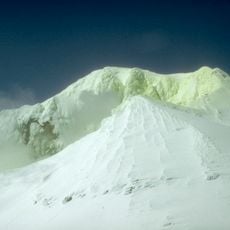
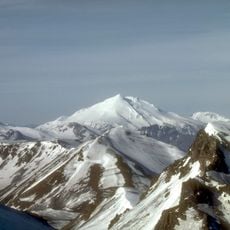
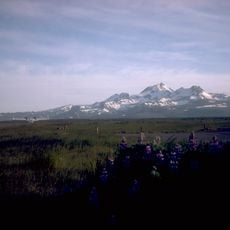
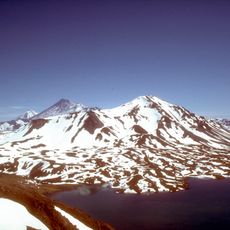
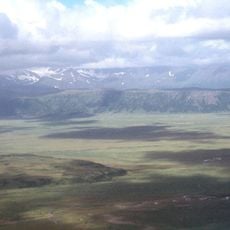
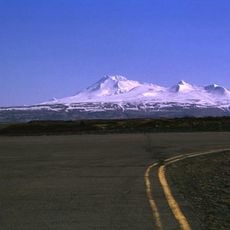
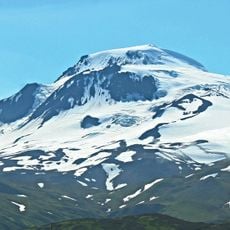
Mount Veniaminof is an active stratovolcano on the Alaska Peninsula featuring a broad summit caldera that contains an extensive ice field. The caldera spans several kilometers and houses a glacial system that covers much of the crater floor.
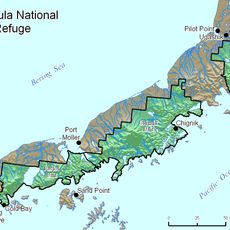
Mount Veniaminof produced a colossal VEI 6 eruption around 1750 BCE that left a large caldera. Since 1930 it has had more than ten small eruptions, all from a cinder cone in the middle of the caldera. In 1967 the National Park Service designated it a National Natural Landmark, and in 1980 it was included in the Alaska Peninsula National Wildlife Refuge.
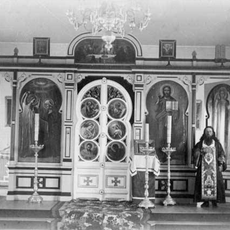
The volcano is named after Ioann Veniaminov, a Russian Orthodox priest who later became Metropolitan Innocent of Moscow (1797–1879). His studies of the Aleut language and ethnology are still consulted today. The name was assigned by the geologist K. I. Grewingk.
The volcano sits in a remote location and is best accessed during warmer months when snow and ice partially melt. Visitors should prepare for extreme weather conditions and arrange professional guides familiar with the terrain.
The caldera's cinder cone has produced more than ten small eruptions since 1930, all of them from that single vent in the middle of the ice field. The 2018 eruption began on September 3 as a lava flow down the slopes and by November 20 sent ash to 20,000 feet, prompting an ashfall warning for Perryville.
The community of curious travelers
AroundUs brings together thousands of curated places, local tips, and hidden gems, enriched daily by 92,619 contributors worldwide.