Alaska Peninsula National Wildlife Refuge, National Wildlife Refuge in Alaska, United States.
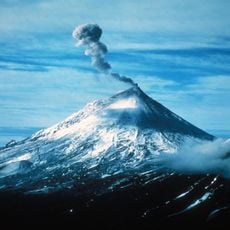
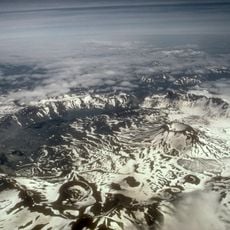
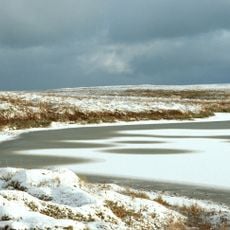
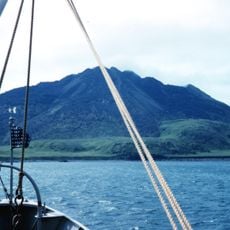
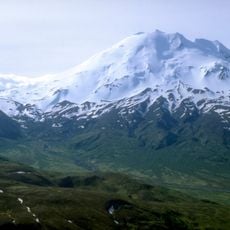
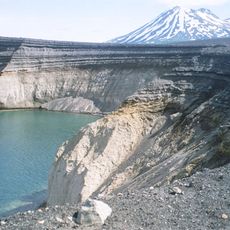
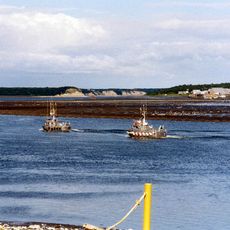
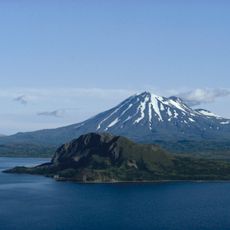
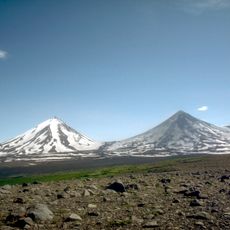
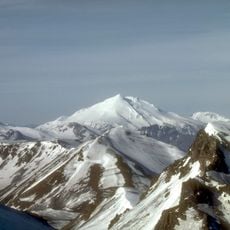
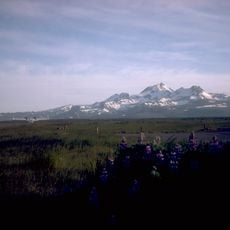
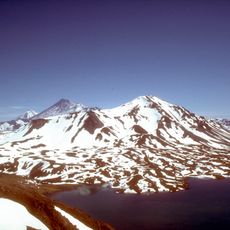
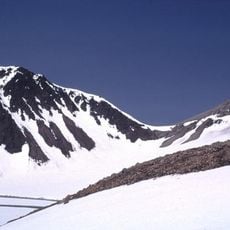
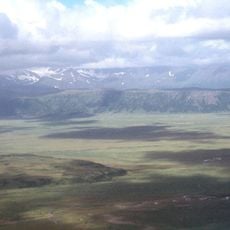
Alaska Peninsula National Wildlife Refuge is a protected area in southwestern Alaska containing volcanic terrain, wetlands, tundra, and Pacific coastline. The landscape remains undeveloped and wild, with harsh conditions and vast stretches of open land.
Congress established this refuge in 1980 through federal legislation protecting Alaskan lands. The creation was part of a broader effort to preserve untouched wilderness areas in the northernmost state.
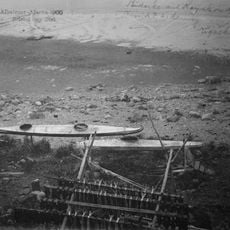
Local indigenous communities have depended on these lands for hunting and gathering for generations. Their presence and way of life remain woven into how the refuge functions today.
The refuge is accessible only by air, as no roads connect it to other settlements. Visitors should prepare for remote conditions and arrange transport in advance, since infrastructure is very limited.
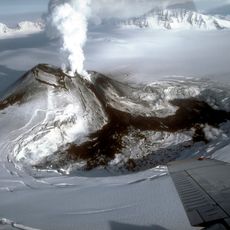
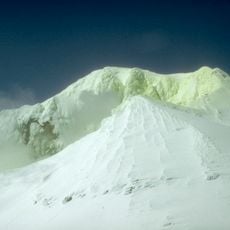
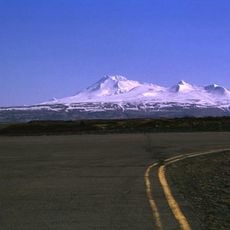
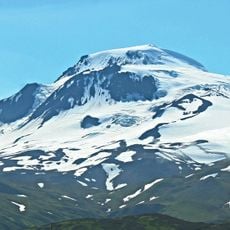
In August, up to 500 brown bears gather around Black Lake and Chignik Lake to feed on spawning salmon, one of the densest seasonal concentrations of grizzly bears in North America. The refuge also holds the 25-square-mile ice field inside Mount Veniaminof's crater, the most extensive crater glacier in North America.
The community of curious travelers
AroundUs brings together thousands of curated places, local tips, and hidden gems, enriched daily by 92,614 contributors worldwide.