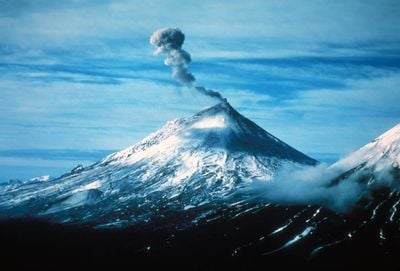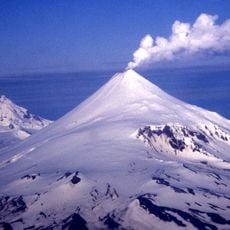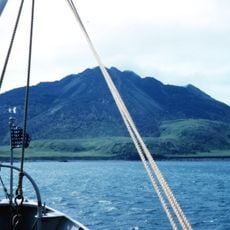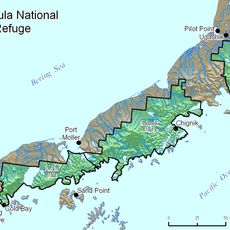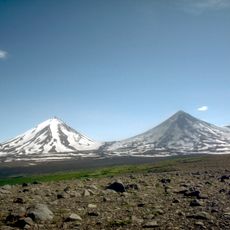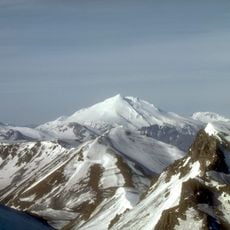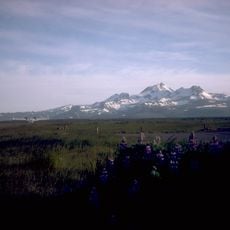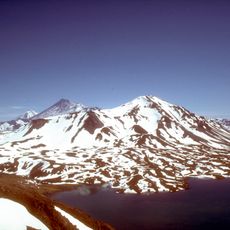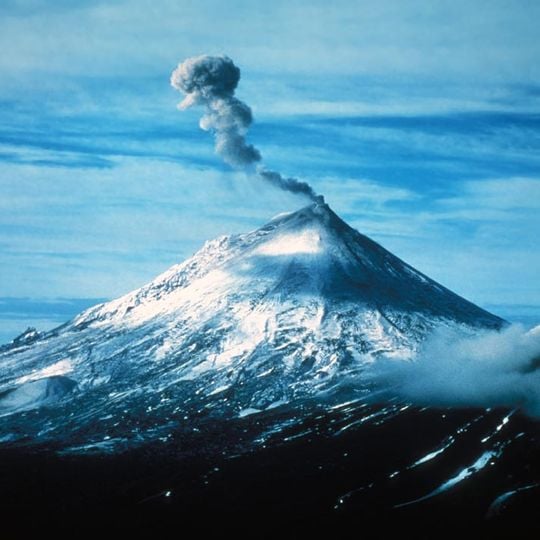
Mount Pavlof, Stratovolcano on Alaska Peninsula, United States.
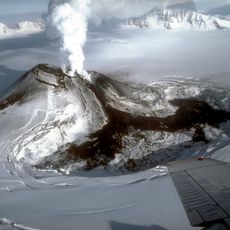
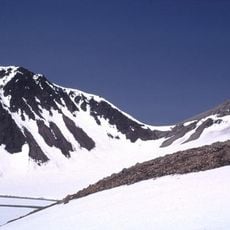
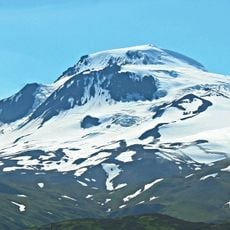
Mount Pavlof stands 8,261 feet above sea level and forms a symmetrical cone with active vents on the north and east slopes near the summit. The upper flanks show snow patches during summer months between the dark rock layers.
The first documented climb to the summit took place in 1928 when T. A. Jagger reached the top with his expedition team. The group later recorded their experience in National Geographic magazine.
Russian explorers named the mountain after Saint Paul, calling it Pavlovskoi in their early records. Captain Lutke published this name in navigation charts during 1836, and the designation remains in use today.
The Alaska Volcano Observatory monitors seismic activity, ash emissions, and thermal changes through instruments and satellite imagery. The system issues alerts to aviation authorities and local communities when increased volcanic activity is detected.
Since 1980, this mountain has produced over 40 recorded eruptions that sent ash clouds as high as 37,000 feet into the sky. The frequent events regularly affect air traffic over Alaska and the North Pacific.
The community of curious travelers
AroundUs brings together thousands of curated places, local tips, and hidden gems, enriched daily by 91,057 contributors worldwide.