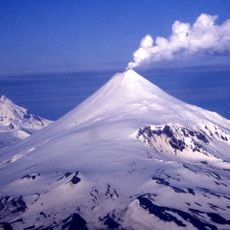
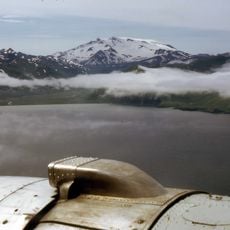
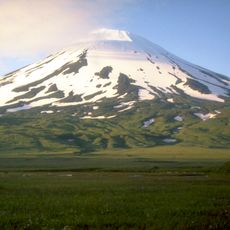
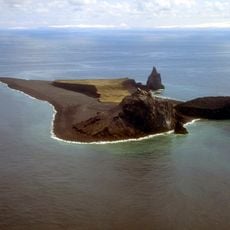
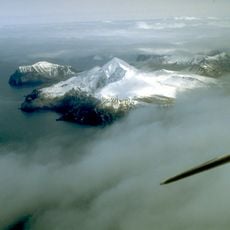
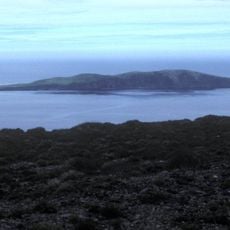
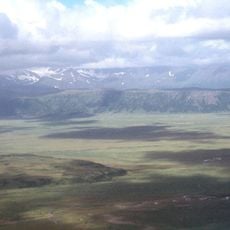
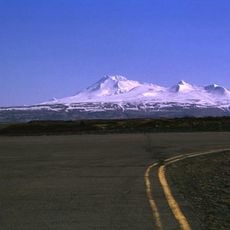
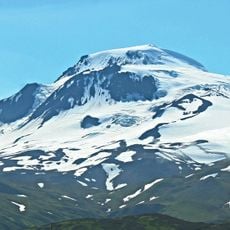
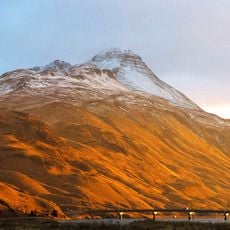
Mount Akutan, Stratovolcano in Aleutian Islands, Alaska.
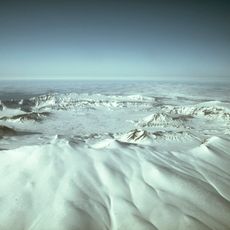
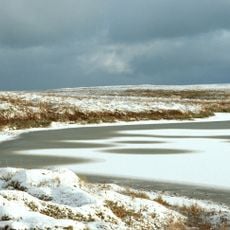
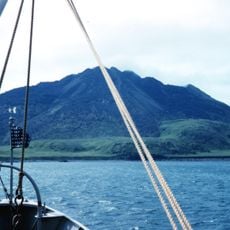
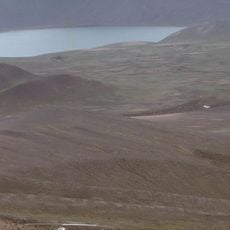
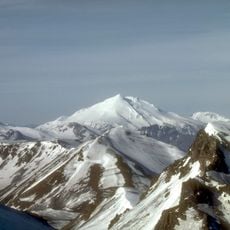
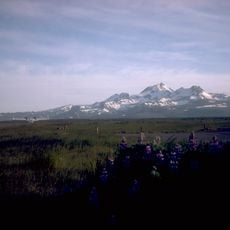
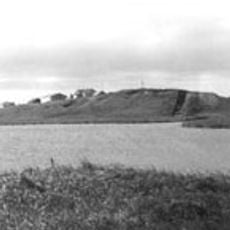
Mount Akutan, officially Akutan Peak, is a stratovolcano on Akutan Island in the Aleutian Islands of Alaska. Its 1,303-metre summit is the highest point on the rim of a caldera about 2 km wide, formed in a VEI-5 eruption around 340 AD. Recent eruptions have come from a large cinder cone on the caldera's north-east side, and a small lake lies on part of the caldera floor.
Akutan's current caldera formed in a VEI-5 eruption around 340 AD, and an older, largely buried caldera preceded it. The Alaska Volcano Observatory counts 33 confirmed eruptions, the most of any Alaskan volcano. A 1978 lava flow crossed a breach in the north rim and stopped about 2 km from the coast; the last eruption came on 18 December 1992.
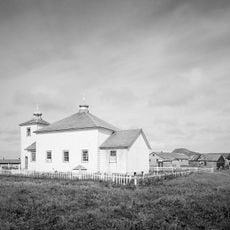
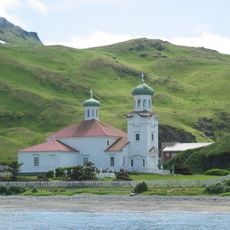
The descendants of the island's original inhabitants still live beside the volcano and work in fish processing. The Russian Wikipedia article records this without giving the settlement's name. The volcano rises on Akutan Island in the Aleutian chain, part of Alaska, and its name is shared with the island.
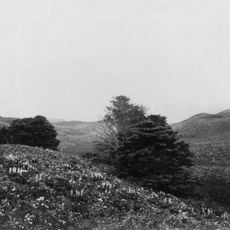
The island is remote and difficult to access, studied mainly by scientists from a distance. Visitors should expect harsh terrain and unpredictable weather conditions throughout the year.
Akutan has erupted at least 33 confirmed times, more than any other volcano in Alaska. Its 1978 lava flow crossed a breach in the north caldera rim and stopped about 2 km from the sea. Fumaroles still vent at the base of Lava Point, and hot springs lie northeast of the caldera.
The community of curious travelers
AroundUs brings together thousands of curated places, local tips, and hidden gems, enriched daily by 94,070 contributors worldwide.