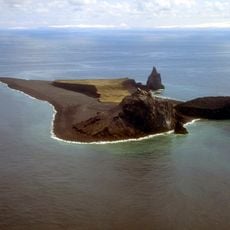
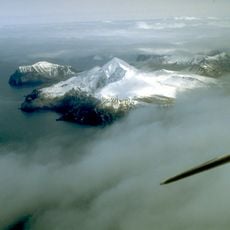
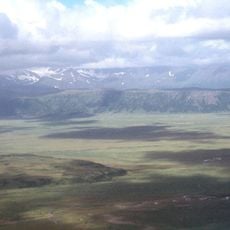
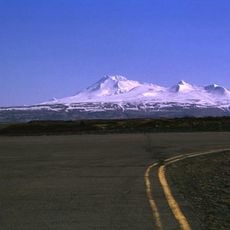
Cape Sarichef Light, Wooden lighthouse in Unimak Island, Alaska.
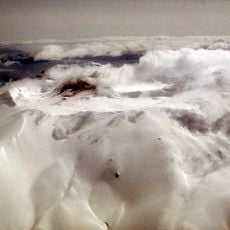
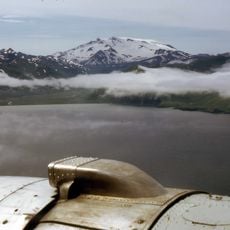
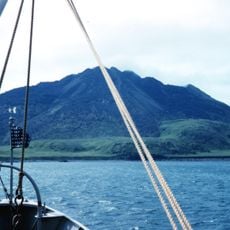
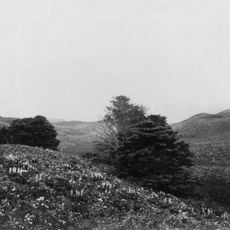
The Cape Sarichef Light is a wooden lighthouse that stands at the extreme northwestern tip of Unimak Island. It marks the northern entrance between the Bering Sea and the Pacific Ocean and helps guide navigation through the waters of Unimak Pass.
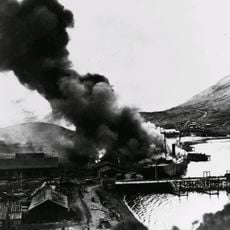
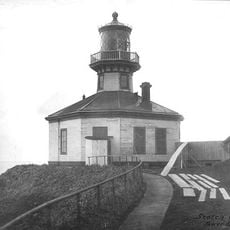
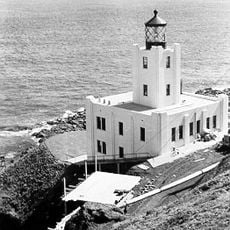
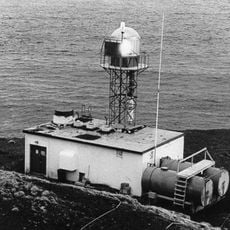
Cape Sarichef Light was first lit on July 1, 1904, as Alaska's second coastal lighthouse after Scotch Cap Light. The original structure was a 45-foot wooden tower on an octagonal wooden building, with its light 126 feet above the sea. After the 1946 tsunami destroyed Scotch Cap Light and killed its five-man crew, the Coast Guard razed and rebuilt the station in 1950, adding a LORAN radiobeacon. It was automated in 1979, and the old tower and buildings were demolished in 1999.
Cape Sarichef was named in 1816 by Russian explorer Otto von Kotzebue after Admiral Gavril Sarychev of the Imperial Russian Navy. The name refers to the admiral, not to any settlement. The station's keepers lived cut off from mail and supplies for months, and civilian keepers earned a full year off every four years of service.
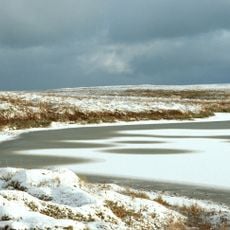
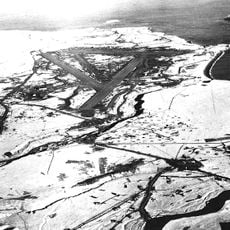
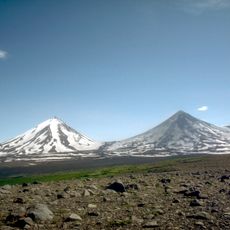
The station sits on the northwest tip of Unimak Island, about 630 miles southwest of Anchorage; the nearest settlement, False Pass, is roughly 30 miles away. Access is by boat or plane only, and the Bering Sea freezes from December through March, when the station historically shut down. The old tower and buildings were demolished in 1999, so only the automated beacon on its steel skeleton remains.
The 1950 rebuild added a LORAN radiobeacon, and a crew of 21 Coast Guardsmen each served a one-year tour there. About 2 miles away stood an Air Force Distant Early Warning radar station with 25 men; the two services reportedly swapped food and even vehicle parts.
The community of curious travelers
AroundUs brings together thousands of curated places, local tips, and hidden gems, enriched daily by 92,613 contributors worldwide.