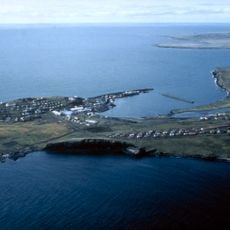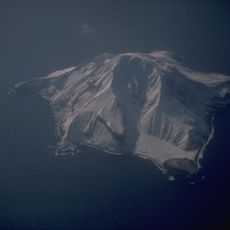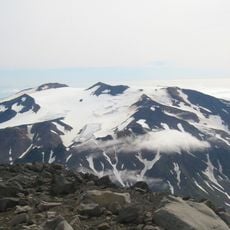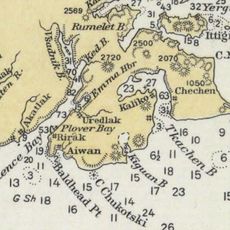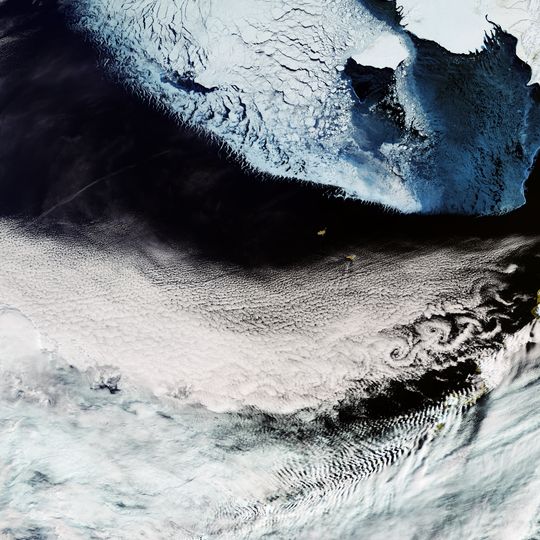
Bering Sea, Northern marginal sea between Alaska, US and Russia.
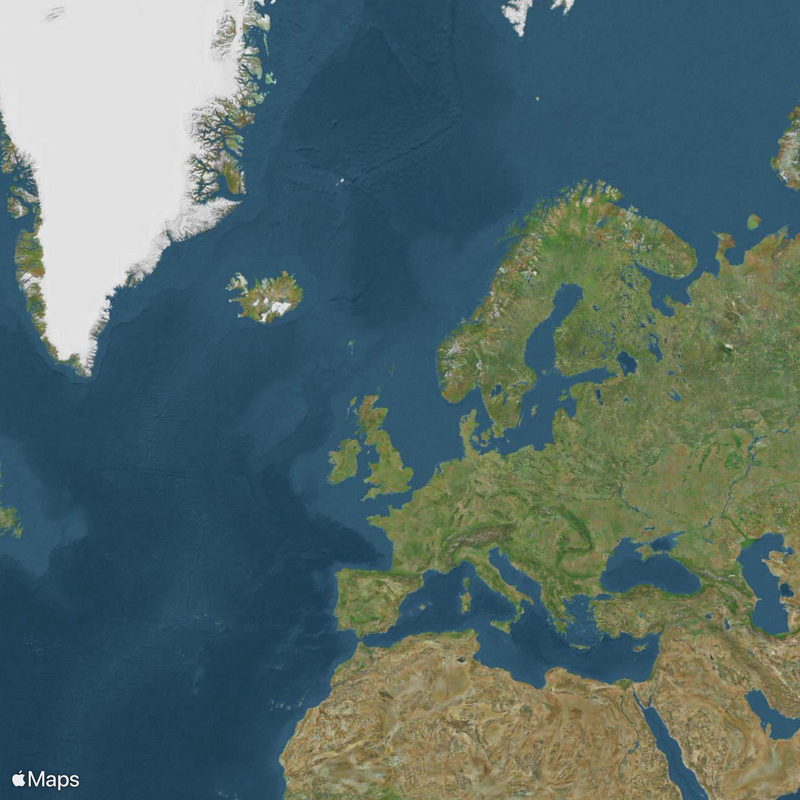
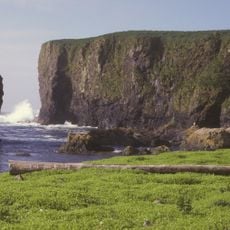
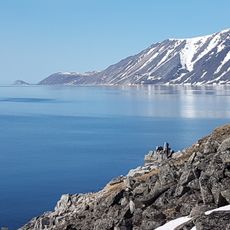
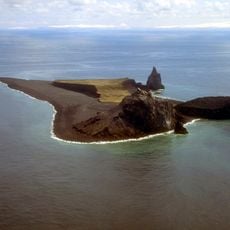
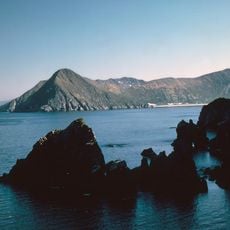
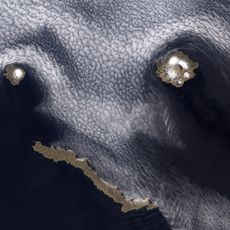
The Bering Sea is a marginal sea of the Pacific Ocean lying between the Russian peninsula of Kamchatka and the American state of Alaska, covering more than 2 million square kilometers (772,000 square miles). Deep basins alternate with shallow shelf zones that form extensive fishing grounds, particularly in the southern and western portions.
The sea received its name from the Danish navigator Vitus Bering, who explored the strait between Asia and America in 1728 under commission from the Russian tsar. During the last ice age, a land bridge formed here, allowing animals and later humans to pass between the continents.
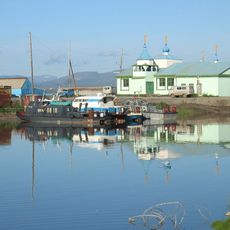
Coastal communities on both sides depend on salmon, crab and halibut, preserving fish through smoking and drying techniques passed down over generations. Villages celebrate the return of migrating species with ceremonies that honor the animals and mark the rhythm of the seasons.
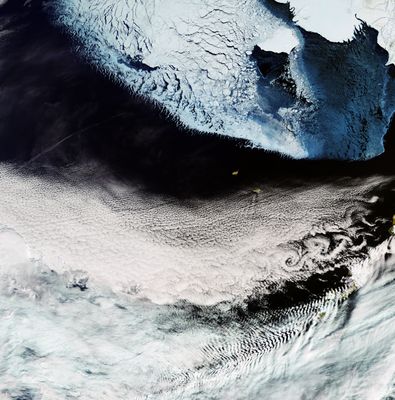
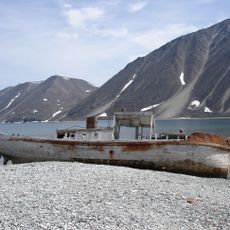
In winter, the northern portion develops thick ice cover, while the southern waters remain open for navigation throughout the year. Boats and fishing vessels operate mainly from May through October, when weather conditions are more stable and visibility improves.
On December 18, 2018, a meteor exploded above the waters, releasing energy equivalent to about 49 kilotons, more than three times the Hiroshima bomb. Scientists discovered the event only months later through data analysis, as it occurred in a remote region with no direct witnesses.
The community of curious travelers
AroundUs brings together thousands of curated places, local tips, and hidden gems, enriched daily by 60,000 contributors worldwide.