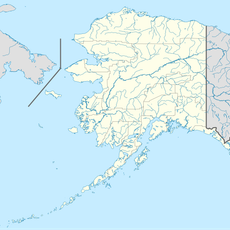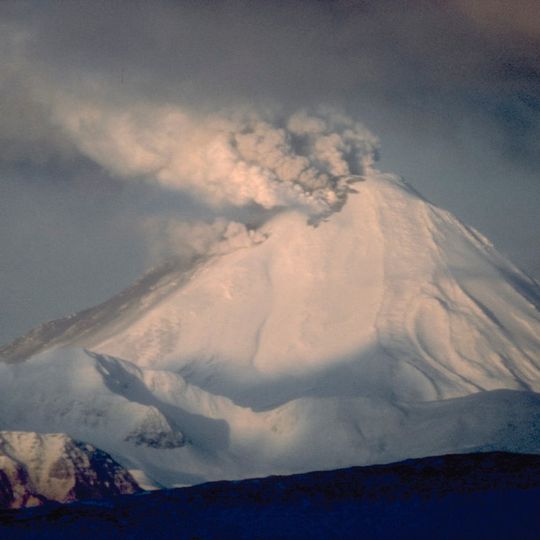
Kanaga Volcano, Stratovolcano in Aleutian Islands, Alaska, USA
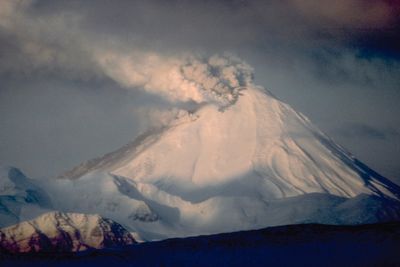
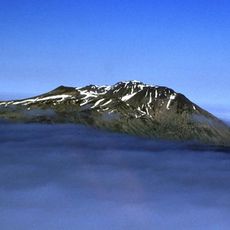
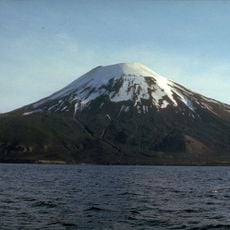
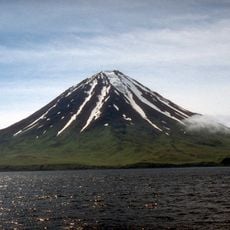
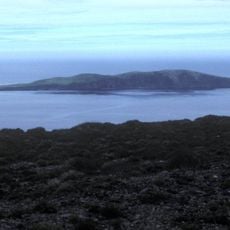
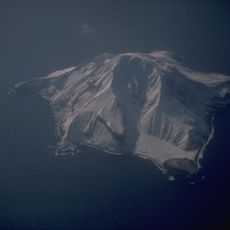
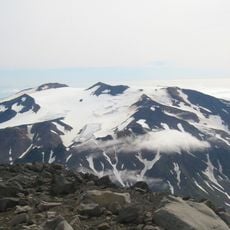
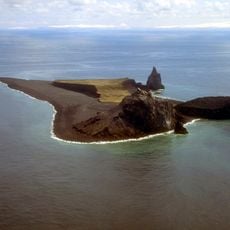
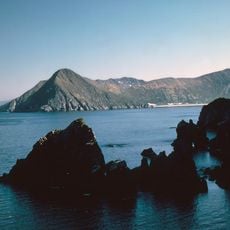
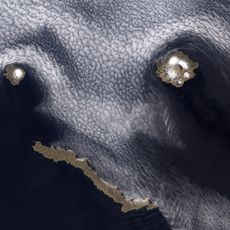
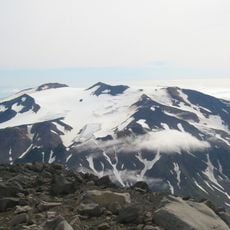
Kanaga Volcano is a stratovolcano on Kanaga Island in the Aleutian Islands chain, rising to about 4,200 feet at the island's northern end. Its summit features multiple craters with active fumaroles releasing steam and gases, while a crater lake sits on the southeastern side.
Kanaga erupted intermittently through much of 1994, dusting the community of Adak at least once with fine ash. Its previous eruption was in February 2012. After months of elevated seismic activity, a steam-driven explosion took place on December 18, 2023, and volcanic unrest continues, monitored by the Alaska Volcano Observatory.
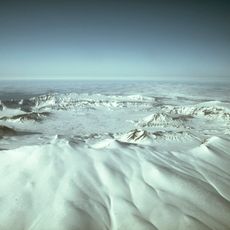
The name Kanaga comes from Kanaton, the term used for the mountain and the ridge that arcs around it. The Kanaton Ridge forms the southern and eastern rim of the caldera in which the cone stands. The volcano rises 1,307 m above sea level and its summit crater, about 200 m across and 60 m deep, holds active fumaroles.
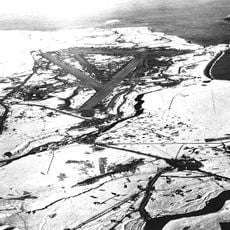
Kanaga Island is uninhabited and has no facilities; access is by boat or seaplane, typically from Adak Island, about 25 km to the east. The Alaska Volcano Observatory monitors the volcano, and the December 2023 explosion shows conditions can change quickly. Check current alerts before planning.
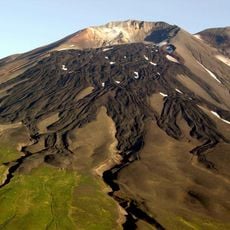
The summit crater, about 200 m wide and 60 m deep, holds several vent agglomerates and active fumaroles. Four andesite flows run from summit fissures to the south, southwest and northeast, and rocky fragments thrown out by eruptions, with impact craters, lie up to 4 km from the top.
The community of curious travelers
AroundUs brings together thousands of curated places, local tips, and hidden gems, enriched daily by 92,635 contributors worldwide.