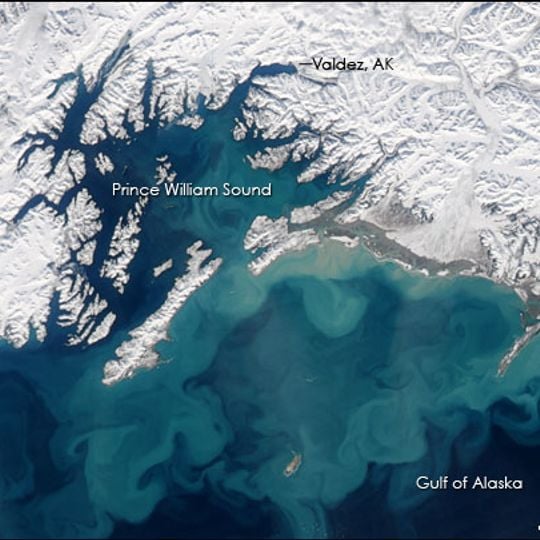
Gulf of Alaska, Pacific inlet in southern Alaska, US
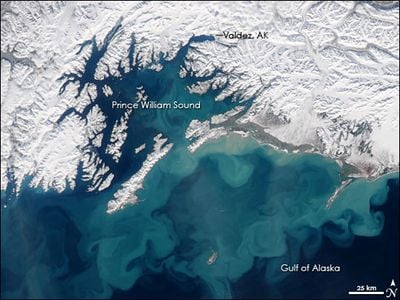
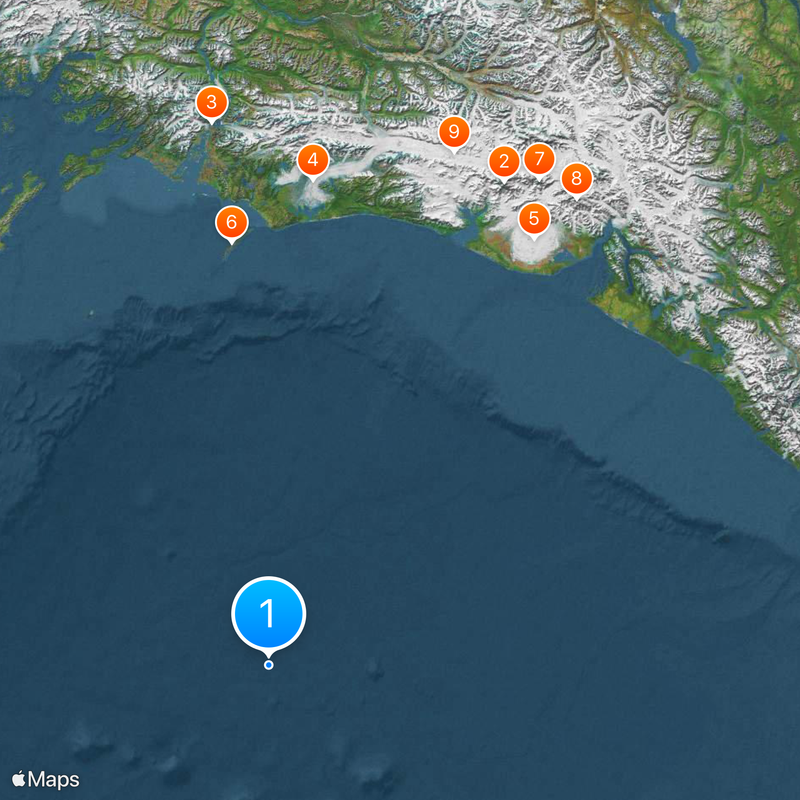
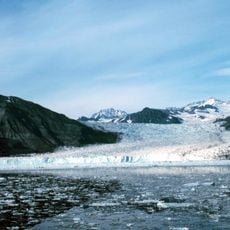
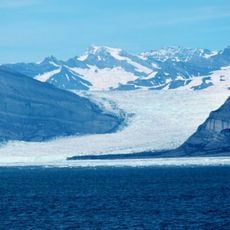
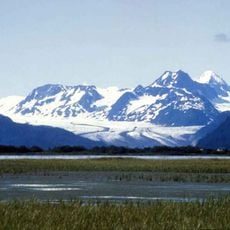
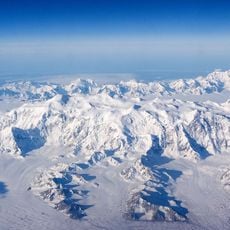
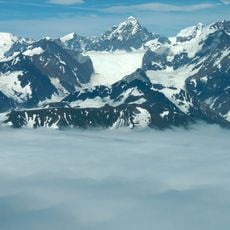
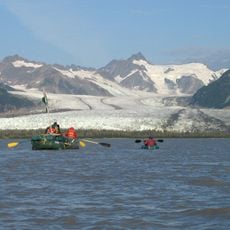
The Gulf of Alaska is a Pacific inlet along the southern coast of Alaska, extending from the Alaska Peninsula to the Alexander Archipelago. The open marine area includes bays, fjords, and numerous islands that span a wide arc.
Vitus Bering reached these waters in 1741 as the first European navigator on an expedition commissioned by the Russian crown. His route marked the beginning of European mapping of this Pacific section.
Native fishing communities along the Gulf coast maintain traditional practices of salmon harvesting, while modern commercial fishing operations extract diverse marine resources.
Major ports such as Anchorage, Seward, and Valdez serve as starting points for coastal travel and as terminal stations for ferries. Visibility and weather can shift quickly, especially in autumn and winter.
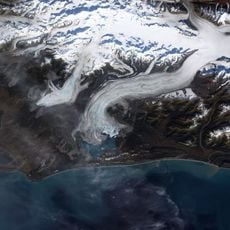
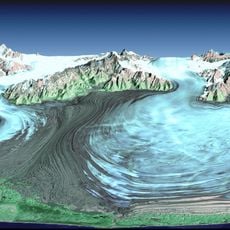
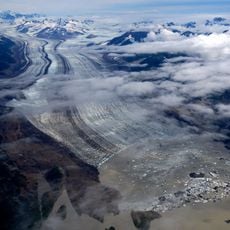
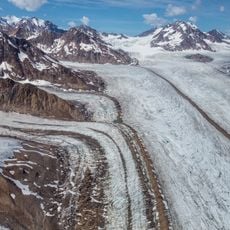
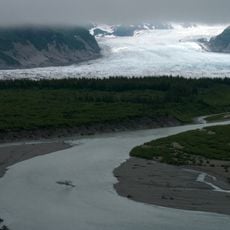
Glacier meltwater and sediments from rivers create visible boundaries at sea, where milky river water meets salty ocean water. These lines persist over long distances as the differently dense water layers mix slowly.
The community of curious travelers
AroundUs brings together thousands of curated places, local tips, and hidden gems, enriched daily by 91,872 contributors worldwide.