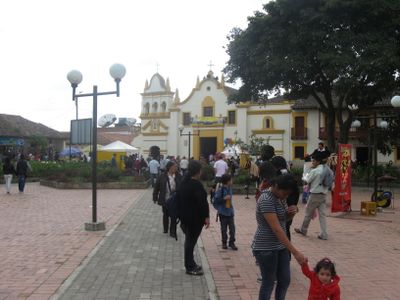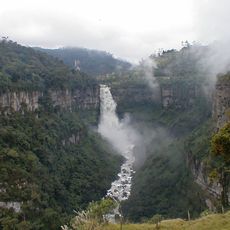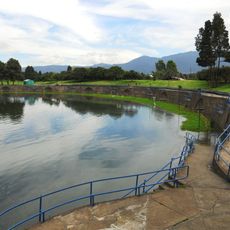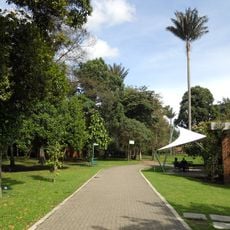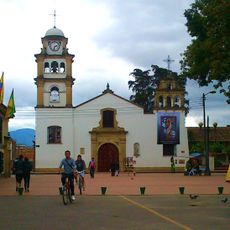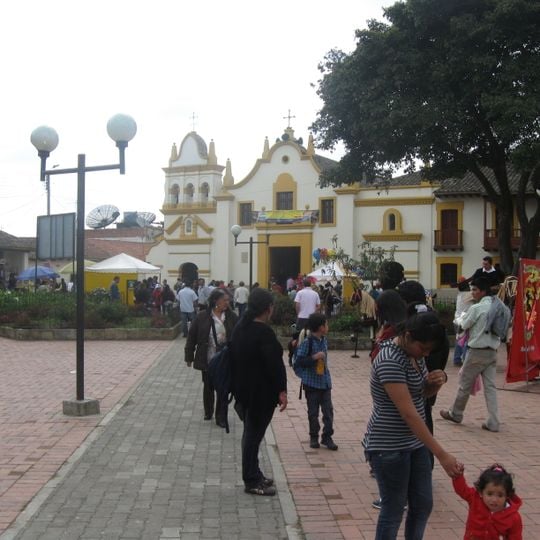
Bojacá, Municipality in Cundinamarca, Colombia.
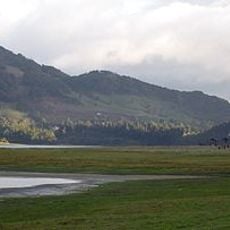
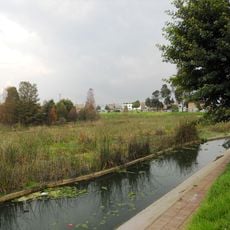
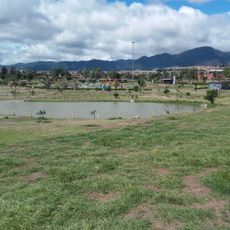
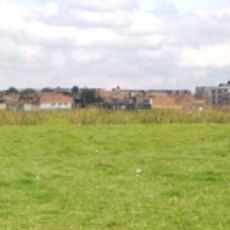
Bojacá is a municipality in Cundinamarca's Western Savanna Province situated at approximately 2,600 meters elevation in the highlands. The area features fertile soil that supports diverse crops across its farmland.
Spanish conquistador Gonzalo Jiménez de Quesada founded the settlement in 1537 following the conquest of Muisca territories. This early establishment marked the beginning of colonial presence in an already-inhabited indigenous region.
The name comes from the Chibcha language and means 'Purple enclosure,' reflecting the indigenous roots of this region. Muisca traditions continue to shape how the community relates to its landscape and agricultural way of life.
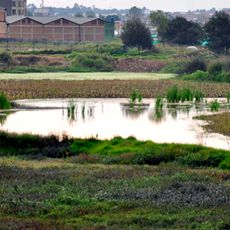
The region is primarily defined by agricultural activity, with potatoes, carrots, corn, and various berries being the main crops. Visitors should prepare for cool temperatures year-round due to the high elevation.
The area receives around 778 millimeters of annual rainfall, creating the moist conditions that support intensive fruit cultivation. These regular rains enable the growing of crops like blackberries, strawberries, and passion fruit that thrive at this elevation.
The community of curious travelers
AroundUs brings together thousands of curated places, local tips, and hidden gems, enriched daily by 92,702 contributors worldwide.