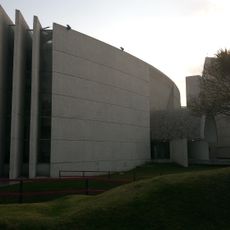
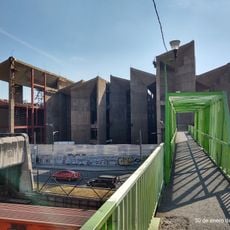
Ex Convento de Culhuacán, 16th century convent in Culhuacán, Mexico City
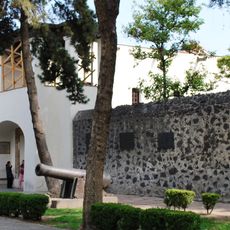
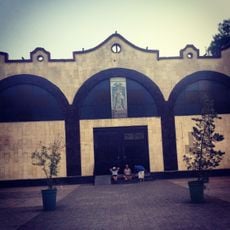
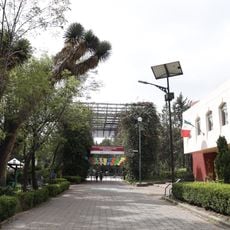
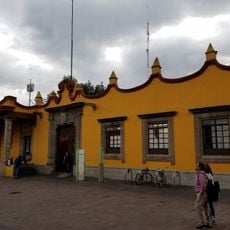
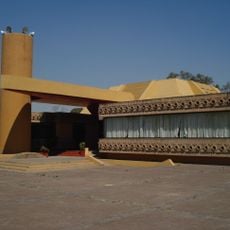
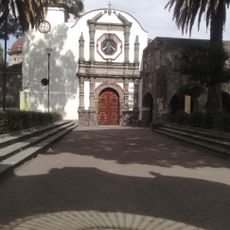
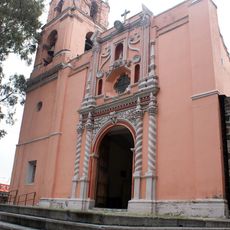
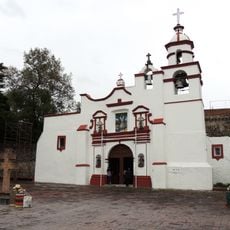
The Ex Convento de Culhuacán is a 16th century monastery complex with a church, residential buildings, and a central courtyard enclosed by walls made of volcanic stone. The layout reflects the architectural design used by Spanish friars to organize religious and community spaces.
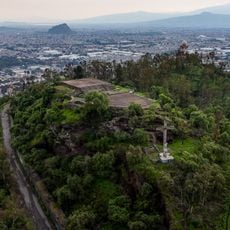
Franciscan friars first evangelized the Cerro de la Estrella, Iztapalapa and Culhuacán, founding a mission over the remains of pre-Hispanic temples. The zone was then ceded to the Augustinian order, which built the convent and church of San Juan Evangelista between 1552 and 1569. The chronicler Chimalpain dates the foundation to 1607. The monastery trained friars in the languages and customs of the groups they evangelized.
The convent walls display painted scenes from different periods showing biblical stories and blending European with indigenous artistic styles. This mixture reflects how religious teaching adapted to local traditions and beliefs.
The complex is at Morelos no. 10, Colonia Culhuacán, Iztapalapa, on the slopes of the Cerro de la Estrella. The museum occupies the upper cloister, where six exhibition rooms hold pre-Hispanic and colonial pieces. The 16th-century wooden door and the mural layers are inside the building, so allow time to walk through the rooms rather than only the courtyard.
The 16th-century wooden door is the only one of its kind preserved in the complex; its carved panels depict the Passion of Christ and the Augustinian martyr Juan de Sahagún. The site museum, opened in 1984, displays pre-Hispanic pieces such as a mask of Tláloc and a figure of Chicomecóatl found during excavations.
The community of curious travelers
AroundUs brings together thousands of curated places, local tips, and hidden gems, enriched daily by 94,298 contributors worldwide.