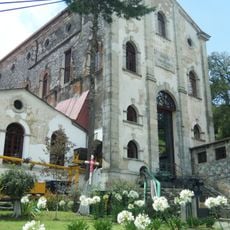
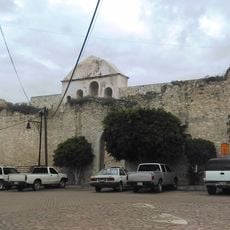
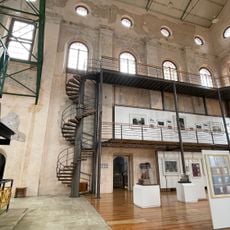
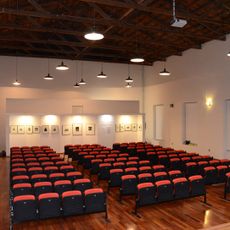
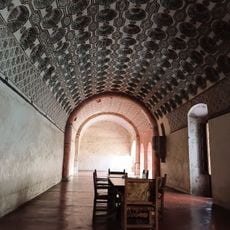
Capilla de Santa María Xoxoteco, 16th century chapel in San Agustín Metzquititlán, Mexico
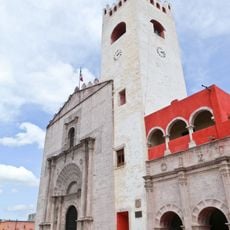
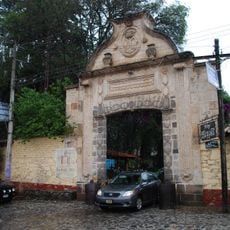
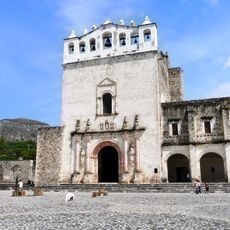
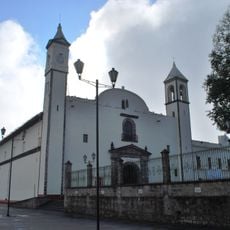
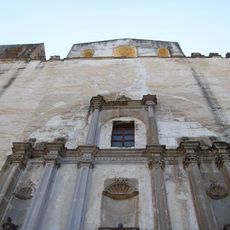
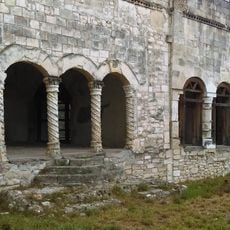
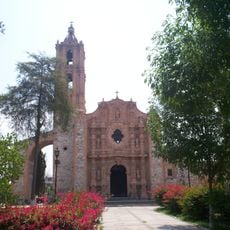
Capilla de Santa María Xoxoteco is a 16th century stone chapel with a single nave and vaulted ceiling. An ornately carved arch marks the entrance, and additional rooms with barrel vaults lie beside the sacristy for storage and religious purposes.
Augustinian friars built the chapel in the 16th century as a visita served from the Convento de los Santos Reyes de Metztitlán. It first functioned as an open chapel for indigenous worship, then its large entrance was closed to give the current appearance. The murals were painted in the second half of the 16th century, after 1580.
Indigenous artists created murals showing scenes from Genesis, the Apocalypse, and hell, interpreting European Renaissance designs through their own artistic tradition. These paintings reveal how local craftspeople understood and expressed religious themes in their own way.
The interior is straightforward to access, allowing visitors to easily view the stone architecture and artwork. It helps to allow time for close examination of the murals to notice all the details.
In early 1975, villagers removing lime plaster from the walls and vault uncovered murals of demonic scenes; the impact was such that women reportedly fled in fright. Architect Juan Benito Artigas Hernández, then touring religious buildings of the Vega de Metztitlán, documented the find, publishing his study in 1979.
The community of curious travelers
AroundUs brings together thousands of curated places, local tips, and hidden gems, enriched daily by 94,630 contributors worldwide.