Pomoná, Maya archaeological site in Tenosique, Mexico.
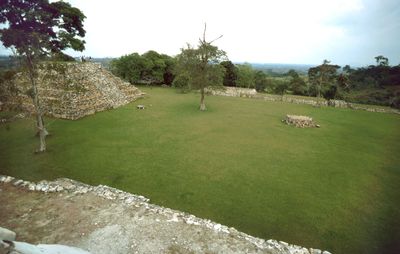
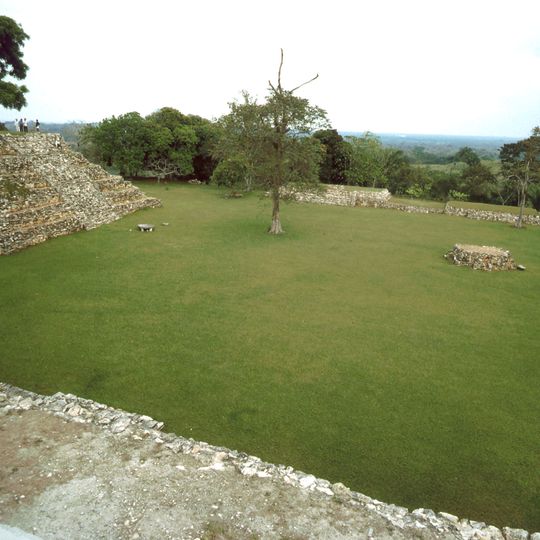
Pomoná is an archaeological site in Tenosique featuring six complexes, with a northern section containing a rectangular plaza ringed by thirteen structures. The site displays carved stone reliefs showing skilled artistry and ceremonial imagery.
Pomoná was already an organized city by 692 CE, when it became an independent polity controlling Panhalé and Chinikihá. Inscriptions record that Palenque captured Pomoná nobles in 659 and 663, and that Piedras Negras defeated it in 790, 792 and 794. The city declined in the Early Postclassic.
The carved panels show young princes wearing water symbols of the Bacabs while holding Year Bearer days. These images reveal how Maya communities expressed their sacred rituals through sculpture.
Only the northern complex, with its rectangular plaza and thirteen buildings, has been excavated and consolidated; the other five groups on neighbouring hilltops remain unexcavated. The site lies about 16.5 km west of Tenosique de Pino Suárez, and a small museum at the ruins displays stelae and ceramics found there.
The emblem glyph found here names the city Pakbul, read as "divine lord of the pipe", while the modern name Pomoná comes from a glyph meaning "house of copal". The site was found by accident in 1959, when farmers were inspecting land for agriculture.
The community of curious travelers
AroundUs brings together thousands of curated places, local tips, and hidden gems, enriched daily by 95,303 contributors worldwide.