Cañón del Usumacinta, Canyon in Tabasco, Mexico.
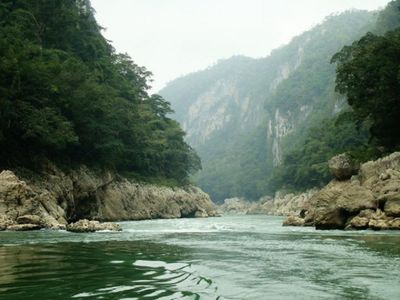
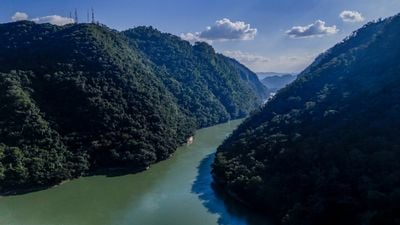
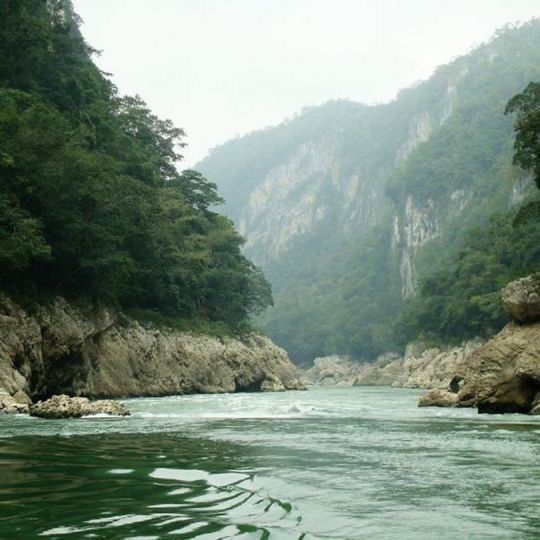
The Cañón del Usumacinta is a gorge where the Usumacinta River winds northwards in a narrow channel cutting through parallel ridges, in the municipality of Tenosique, Tabasco, on the border with Guatemala. Steep, densely forested slopes drop to the broad, opaque grayish-green water, and pale gray rock cliffs with crevices lined by small trees rise along the banks. The protected area covers 46,128 hectares.
The canyon served as a crucial water route for Maya civilizations, connecting major settlements like Yaxchilan and Piedras Negras during their period of greatest power. The river enabled trade and communication between these important centers.
The Chol communities living along the canyon edges have deep ties to the river and use it for fishing and daily life, passing down knowledge across generations. Visitors often encounter locals who share their familiarity with the landscape and its rhythms.
The canyon is best explored with an experienced guide who knows river conditions and how to navigate through different rapids. Proper equipment and attention to safety are essential since water currents can be powerful.
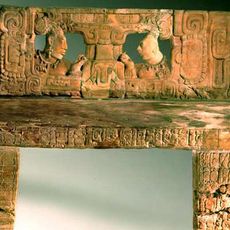
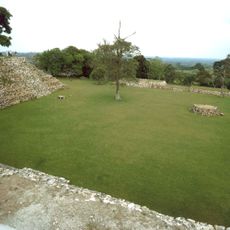
Along the route, traces of ancient Maya settlements are visible on rock faces and in surrounding areas. These archaeological remnants show how integral this waterway was to past societies and can be spotted by those traveling through.
The community of curious travelers
AroundUs brings together thousands of curated places, local tips, and hidden gems, enriched daily by 93,871 contributors worldwide.