Zapote Bobal, Archaeological site in La Libertad, El Petén, Guatemala
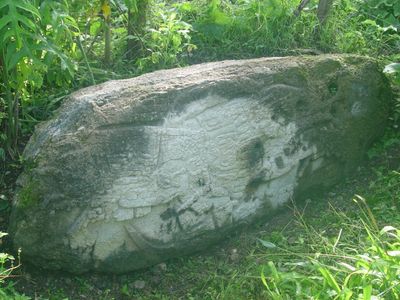
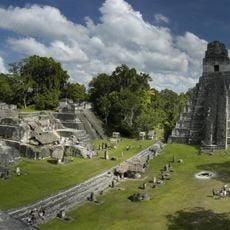
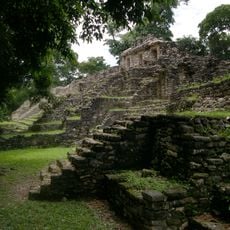
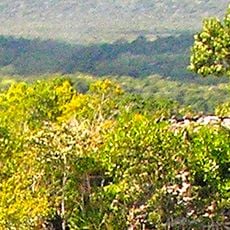
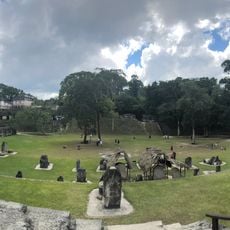
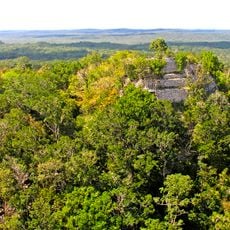
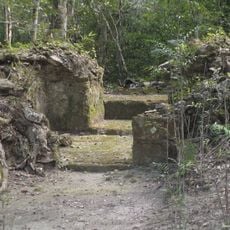
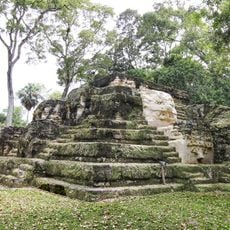
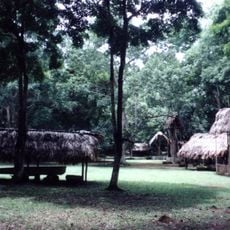
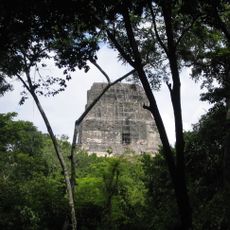
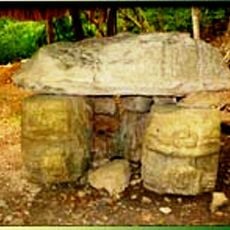
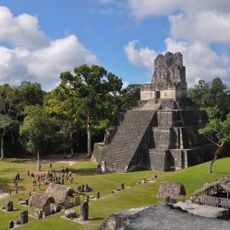
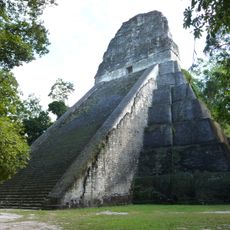
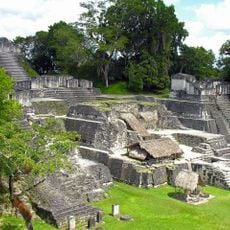
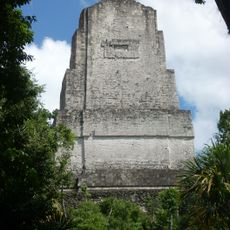
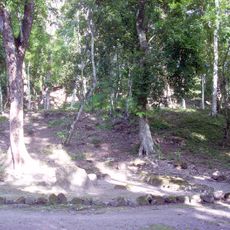
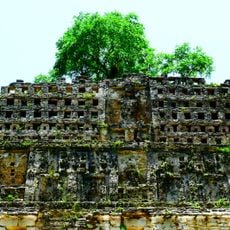
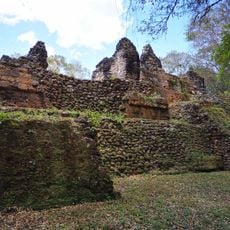
Zapote Bobal is a pre-Columbian Maya archaeological site south of the San Pedro Martir river in Petén, Guatemala. Its center sits on a leveled natural hill about 1 km long and 700 m wide, with a royal palace, temple-pyramids and elite residences. A mound group just outside the center includes a pyramid 35 m high, and over 400 buildings lie within 2.5 km of the core.
The site developed as a kingdom during the Maya Classic period and had its own ruling dynasty. This royal line lasted only about 200 years until 800 AD before the settlement was abandoned.
The site's name Zapote Bobal was coined by archaeologist Ian Graham after the many zapote bobo (Pachira aquatica) trees growing near water sources in the area. Its original Maya name, Hix Witz, means "Jaguar Hill" and appears in inscriptions at Piedras Negras and Yaxchilan. The kings of Zapote Bobal used only the title ajaw, not the more common k'uhul ajaw, perhaps because the kingdom was new and under pressure.
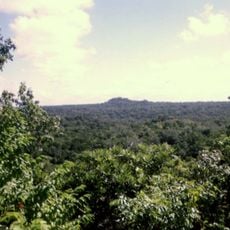
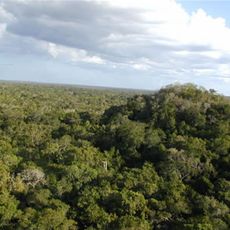
The site lies remote in the Petén jungle and requires advance planning before visiting. You should arrange transportation and an experienced guide beforehand since the place has minimal visitor facilities.
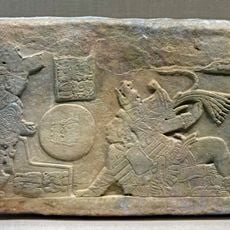
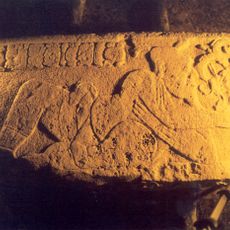
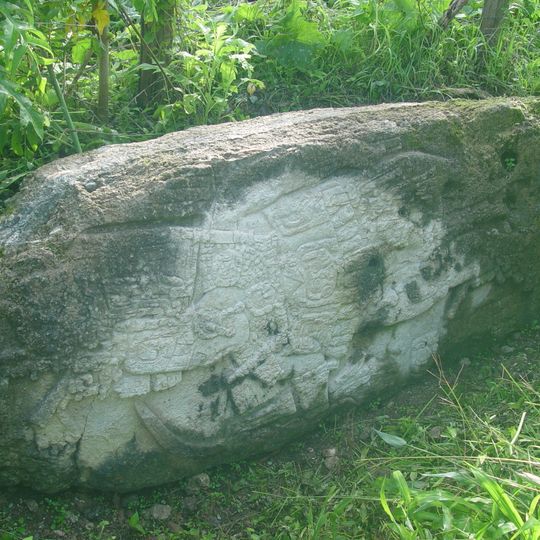
The name Hix Witz, "Jaguar Hill", was known from inscriptions at Piedras Negras and Yaxchilan for over twenty years before David Stuart linked it to Zapote Bobal in 2003. Those texts record the capture, killing and marriage of the site's nobility, and the refuge King B'alaj Chan K'awiil of Dos Pilas found here in the 8th century.
The community of curious travelers
AroundUs brings together thousands of curated places, local tips, and hidden gems, enriched daily by 95,303 contributors worldwide.