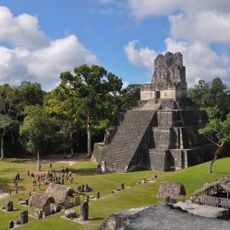
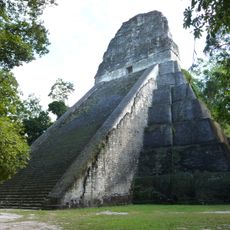
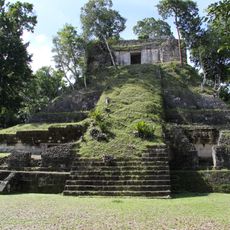
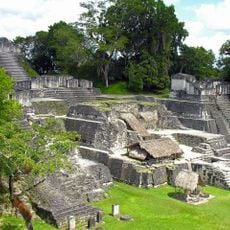
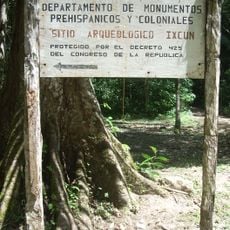
Ixlu, Archaeological site near Lake Petén Itzá, Guatemala
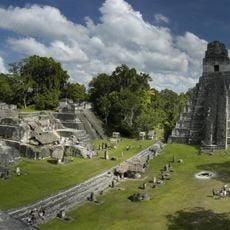
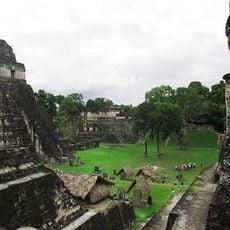
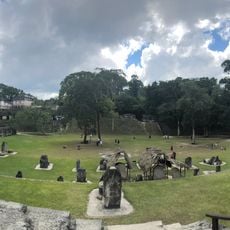
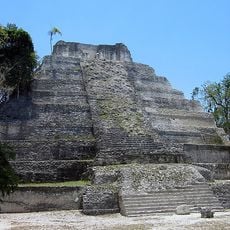
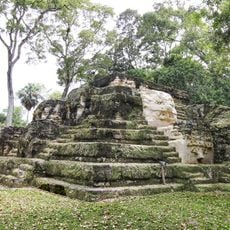
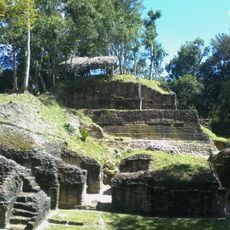
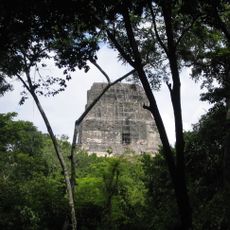
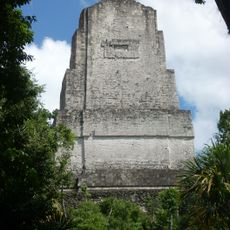
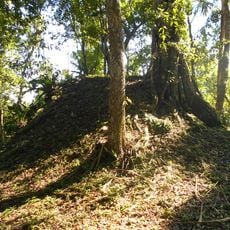
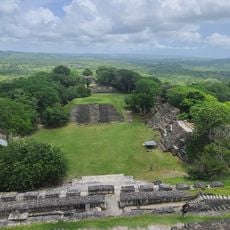
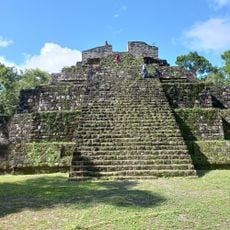
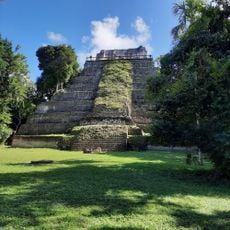
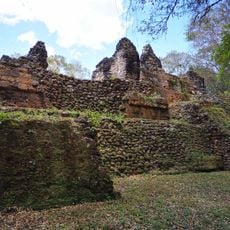
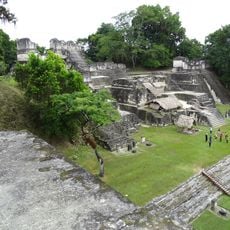
Ixlu is a Maya archaeological site on the isthmus between Lake Petén Itzá and Lake Salpetén, in northern Petén, Guatemala. Over 150 structures are recorded, most of the site core showing Postclassic characteristics; fifty have been mapped, including nine C-shaped bench superstructures and two L-shaped ones. It has two ballcourts and a twin pyramid complex.
The site was occupied for over a thousand years, beginning in the early period and continuing through to Spanish colonial times. Habitation patterns changed significantly as power shifted in the region.
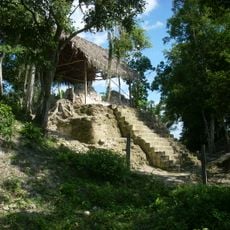
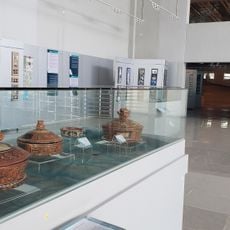
The temple's name comes from two hidden niches on its west side, one at the foot of the stairway and one beneath the summit altar. Each held a single red-brown ceramic vessel about 16 cm across with a concave lid and four handles; both contained only brown soil. Similar hidden niches occur at Mayapan in Yucatán.
The site is located east of Flores and is best explored with a knowledgeable guide. Visitors should wear comfortable hiking shoes and bring water, as the terrain is uneven and heat can be intense.
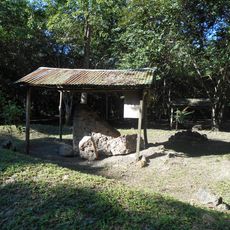
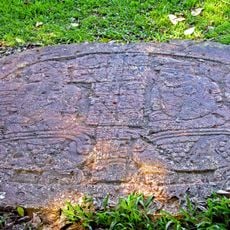
Stela 1, dated to 879 AD, shows a ruler carrying the Tikal Emblem Glyph and the title K'ul Mutul Ahaw, "holy lord of Tikal". Its hieroglyphs closely match texts from Dos Pilas, which may mean Ixlu's lords were refugees from that state's collapse. Stela 2 now stands in the main plaza of Flores.
The community of curious travelers
AroundUs brings together thousands of curated places, local tips, and hidden gems, enriched daily by 92,652 contributors worldwide.