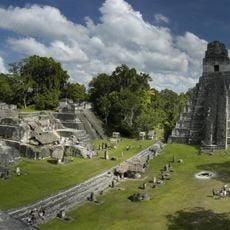
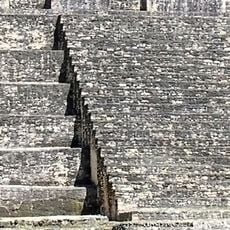
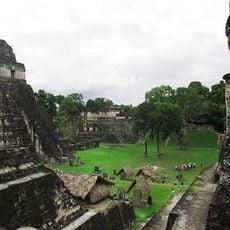
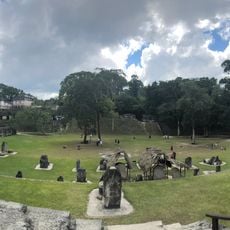
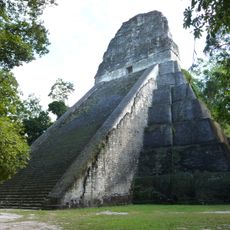
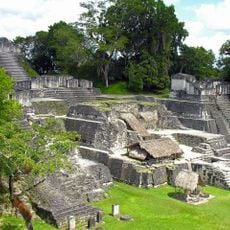
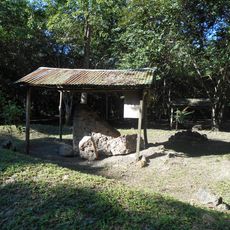
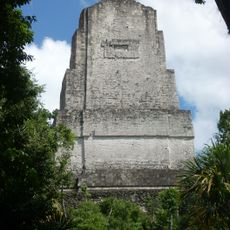
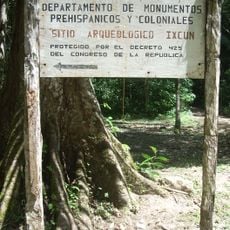
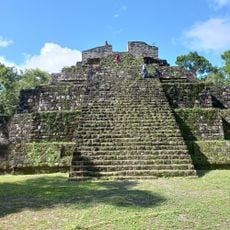
El Chal, Maya archaeological site in Dolores, Guatemala.
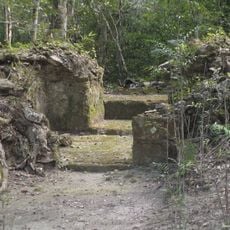
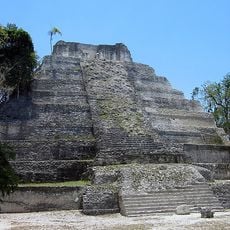
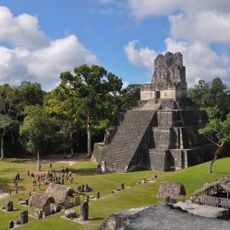
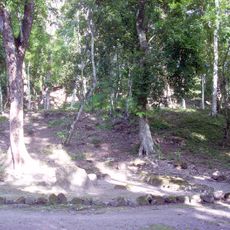
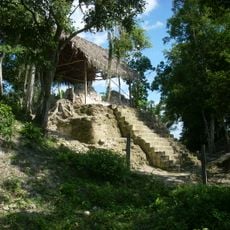
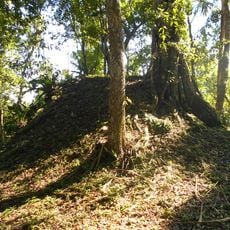
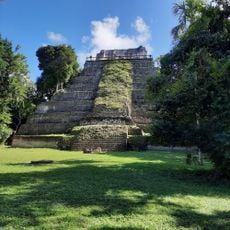
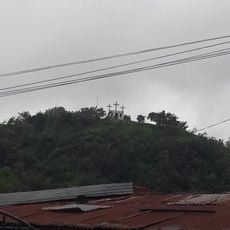
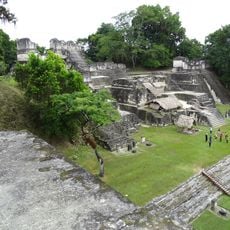
El Chal is a pre-Columbian Maya site in the upper San Juan River valley, in the municipality of El Chal, Petén, about 600 m south of the municipal seat and 40 km south of Flores. Its core consists of an acropolis and three ceremonial plazas — East, West and Northwest — with smaller plazas nearby, plus a large quadrangular residential complex. Some major structures are covered by secondary forest, and mounds lie within the modern village.
The site was founded around 300 BC and remained occupied for over a thousand years until it was abandoned around 1300 AD. It reached its peak importance during the Late Classic period when it served as a major regional center.
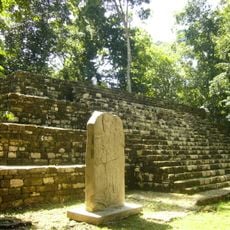
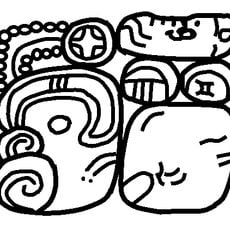
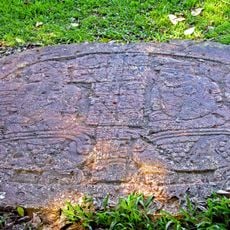
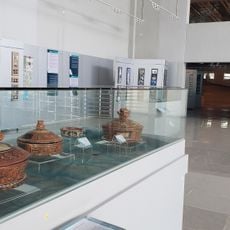
The name El Chal appears on a Spanish Colonial watercolour of 1735, recorded also as El Chacal, and on an 1860 map of Petén. Late Classic sculpted monuments show the city had its own Emblem Glyph, and all its hieroglyphic texts date to the 8th century AD, now heavily eroded. In the Terminal Classic El Chal produced its own ceramics.
The grounds are hilly and require sturdy footwear to explore the various sectors and structures. Visitors should allow enough time to walk through the site gradually, as the settlement spreads across a large area.
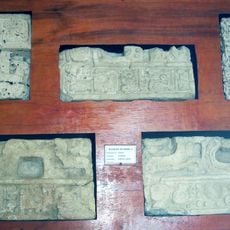
Some sculpted monuments were removed from El Chal in the 1970s by Fomento y Desarrollo del Petén and later transferred to Tikal National Park; by the mid-1990s their exact location and identity had been lost. Archaeologists Richard Kirsch and Ian Graham visited in 1974 and 1975, but their work was never published.
The community of curious travelers
AroundUs brings together thousands of curated places, local tips, and hidden gems, enriched daily by 92,654 contributors worldwide.