Naj Tunich, Ritual cave site in Poptún, Guatemala
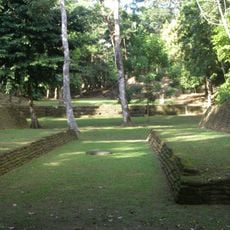
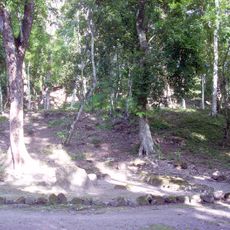
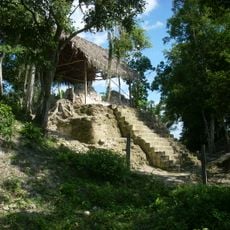
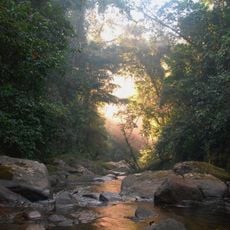
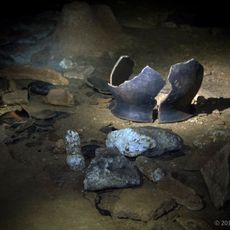
Naj Tunich is a karst cave about 3 km long in the Maya Mountains, roughly 35 km east of Poptún. Its entrance measures 150 m long, 50 m wide and 10 m high, and divides into a flat floor and a terraced slope called the Balcón, built with masonry walls. Tunnels reached from the Balcón hold most of the painted figures and glyphs.
Bernabé Pop, a Q'eqchi' Maya hunter, found the entrance in 1979 while hunting peccary with his dogs, and explored it with his father Emilio. Pierre Ventur made the first academic visit in 1980, and excavations began in 1981 with teams from the Institute of Anthropology and History and the National Geographic Society. The Balcón terraces were used ritually from the Late Preclassic (500 BC–AD 200) to the Protoclassic (AD 100–400), while the painted texts date to about AD 700–770.
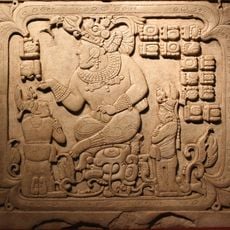
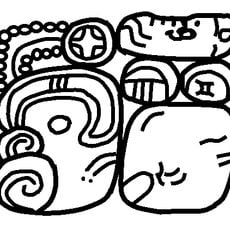
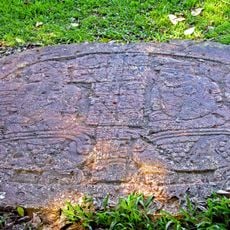
The name Naj Tunich means "stone house" in Mopan Maya. Scribes signed several paintings on the walls, and the inscriptions name pilgrims and the cities they came from. Two drawings appear to show bloodletting from the penis, and four depict ballgames; deep inside, a pair is read as Hunahpu and Xbalanque.
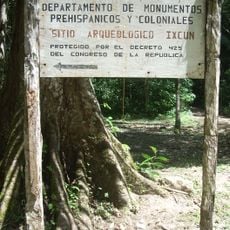
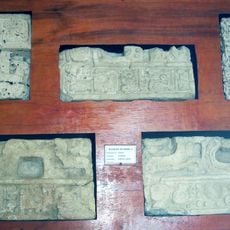
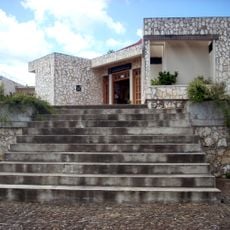
The tunnels have been closed to the public since the vandalism of 1988, but the cave entrance can still be visited, and copies of the paintings are shown in a neighbouring cave. Access to the original lies on a limestone cliff face over 200 m above the valley, at the end of a ravine.
After damage to the original in the 1980s, authorities built an exact replica cave nearby to protect the artwork inside. This copy allows visitors today to experience the artistic elements without risking harm to the fragile archaeological record.
The community of curious travelers
AroundUs brings together thousands of curated places, local tips, and hidden gems, enriched daily by 93,864 contributors worldwide.