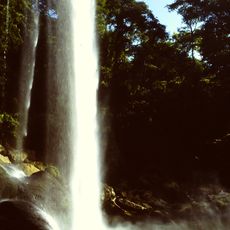
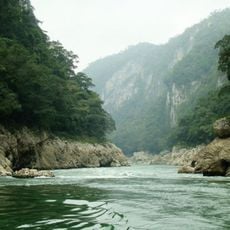
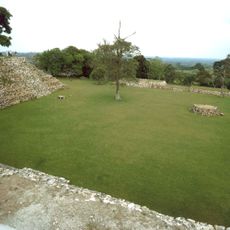
Moral Reforma, Maya archaeological site in Balancán, Mexico.
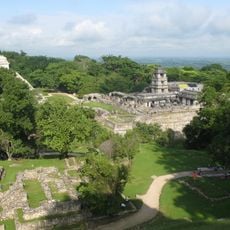
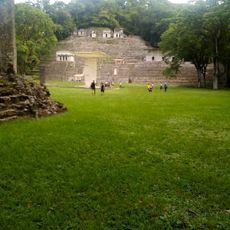
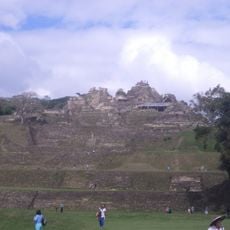
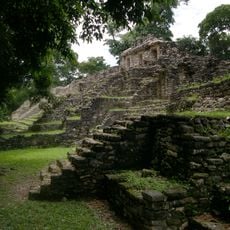
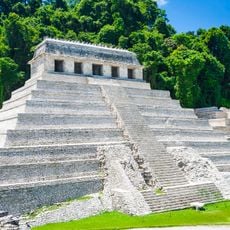
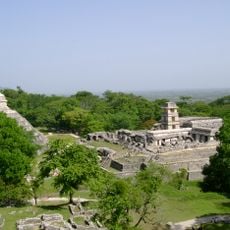
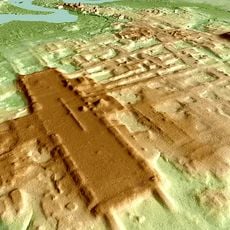
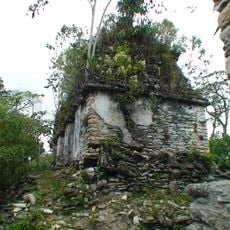
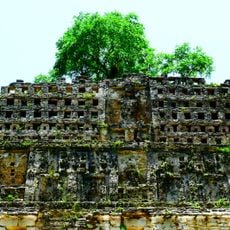
Moral Reforma is a Maya archaeological site near Balancán with structures spread across a large riverside area. The grounds feature pyramid structures, earthen mounds, and stone platforms arranged in clusters.
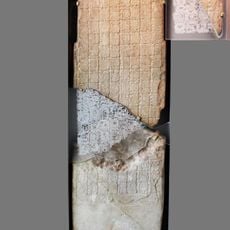
Moral Reforma was a river port that flourished around 600 CE. In 662 CE Yuknoom the Great of Calakmul supervised the accession of the six-year-old king Muwaan Jol; in 690 CE the same ruler was installed under the patronage of K'inich Kan Balam II of Palenque. Stela 4, dated 656 CE, names Muwaan Jol as king.
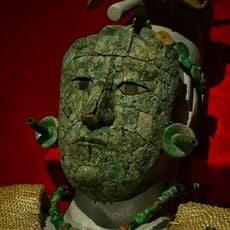
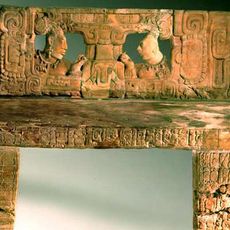
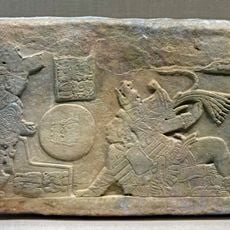
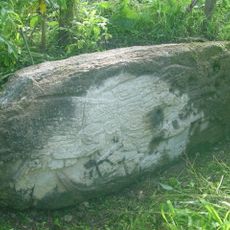
The site displays stone monuments such as stelae and altars left by ancient people and still visible today. These objects provide insight into the artistic skills and religious beliefs of that time.
The site lies 15 km west of El Triunfo, 20 km east of Balancán de Domínguez and 35 km northeast of Tenosique de Pino Suárez, on the flood plains of the San Pedro Mártir river. It opened to the public in October 2009. Excavation and restoration from 1992 to 2012 concentrated on Groups 1 and 2, so expect earthen mounds and vegetation elsewhere.
The site's name is not original: Teobert Maler recorded it as "La Reforma II" in 1907, Wyllys Andrews called it "Moral" in 1937, and Raúl Pavón Abreu chose "Morales" in 1945 for the mora trees whose wood yields a yellow dye. The current name dates from 1993, when Daniel Juárez of the INAH settled on "Moral Reforma".
The community of curious travelers
AroundUs brings together thousands of curated places, local tips, and hidden gems, enriched daily by 93,788 contributors worldwide.