Xultun, Maya archaeological site in Petén, Guatemala
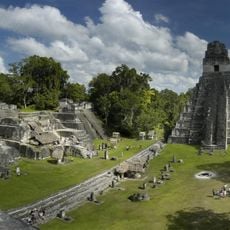
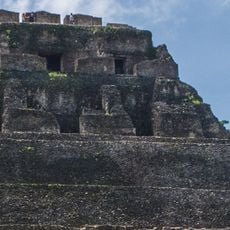
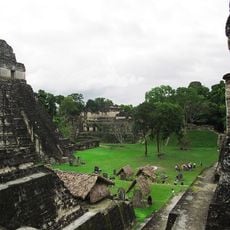
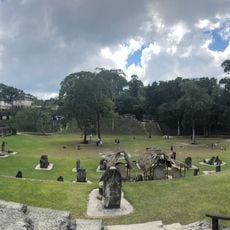
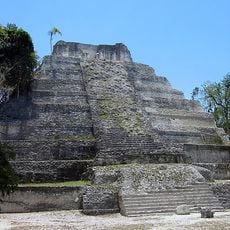
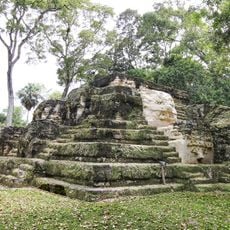
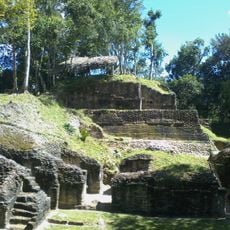
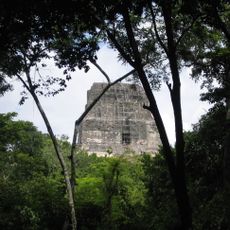
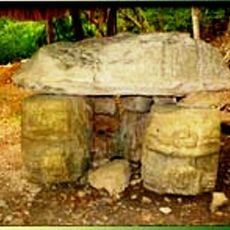
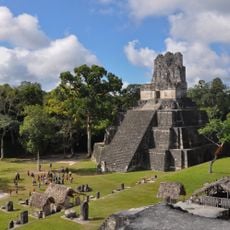
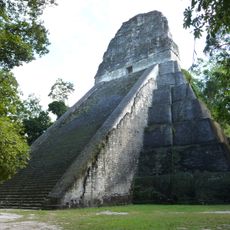
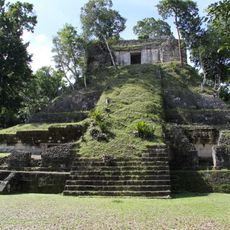
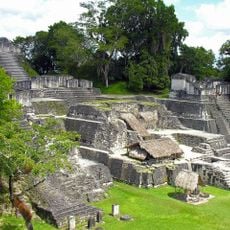
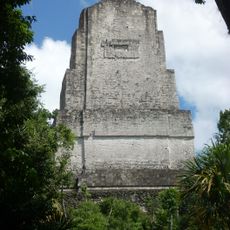
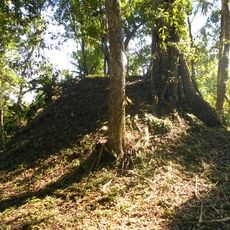
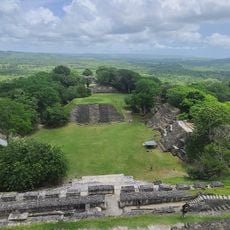
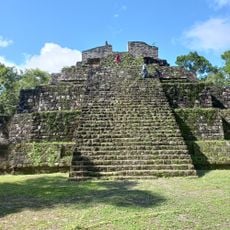
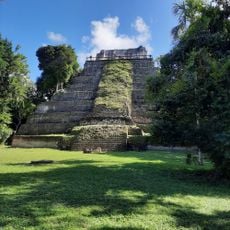
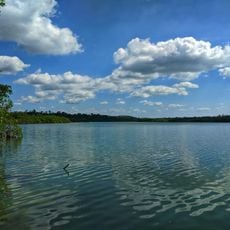
Xultun is a Maya archaeological complex in Petén featuring multiple plazas arranged around a 35-meter tall central pyramid, alongside two ball courts and numerous stone monuments. The site also includes five water reservoirs that were essential for supplying the ancient Maya population living here.
The site was first discovered in 1915 by Aurelino Aguayo, though it remained largely unexplored for several years. Between 1920 and 1923, researchers from the Carnegie Institute conducted systematic documentation of its monuments, helping establish its importance in Maya history.
The site features a sweatbath structure called Los Sapos, a sacred space in Maya life where the decorations show a female figure with frog characteristics. This imagery connects to the goddess Ix Chel and the Maya understanding of water and renewal.
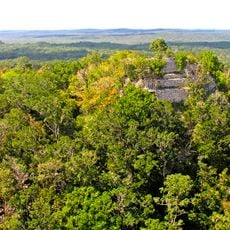
The site is located about 40 kilometers northeast of Tikal in a densely forested area that requires preparation for a visit. Wear sturdy footwear and bring water, as the jungle terrain can be challenging, and plan for a full day to explore the various plazas and structures properly.
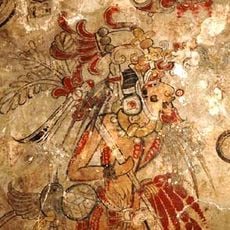
A Late Classic room features murals on its walls depicting three dark seated figures with intricate details. These paintings show the sophisticated artistic skill and spiritual importance that such priestly spaces held in Maya society.
The community of curious travelers
AroundUs brings together thousands of curated places, local tips, and hidden gems, enriched daily by 60,000 contributors worldwide.