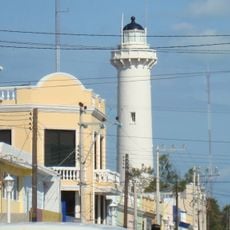
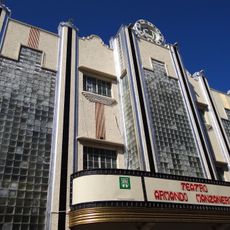
Paseo de Montejo, avenue principale de la ville de Mérida, Mexique
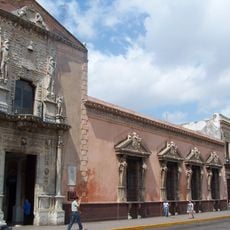
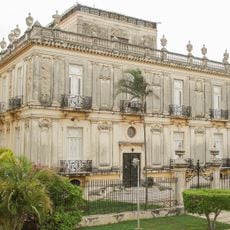
Paseo de Montejo is a long, wide avenue in Mérida lined with grand mansions showing European architecture from the late 1800s. The street extends about 1200 meters and is shaded by large trees that provide relief for pedestrians and cyclists walking or riding along the thoroughfare.
Paseo de Montejo was founded in 1888 when the city grew wealthy from henequen farming and was completed in 1904 as a symbol of progress. The avenue was inspired by the Champs-Élysées in Paris and was intended to present Mérida as a modern city.
Paseo de Montejo is named after a Spanish explorer and reflects the European influences that shaped Mérida during the late 1800s. Locals and visitors still pass by grand homes with French and Spanish features, where the avenue's past as a gathering place for wealthy families remains visible in the architecture and everyday use of the street.
The best time to visit is late afternoon or early evening when the weather is mild and the street looks especially beautiful in the light. You can walk or cycle along the avenue, admiring the architecture, pausing at cafes, or resting on benches along the way.
Original architectural details remain visible in some homes although many buildings were modernized during the 1900s. The Monumento a la Patria at the end of the avenue is a striking sculpture that honors the history of Mexico and the Yucatan Peninsula.
The community of curious travelers
AroundUs brings together thousands of curated places, local tips, and hidden gems, enriched daily by 60,000 contributors worldwide.