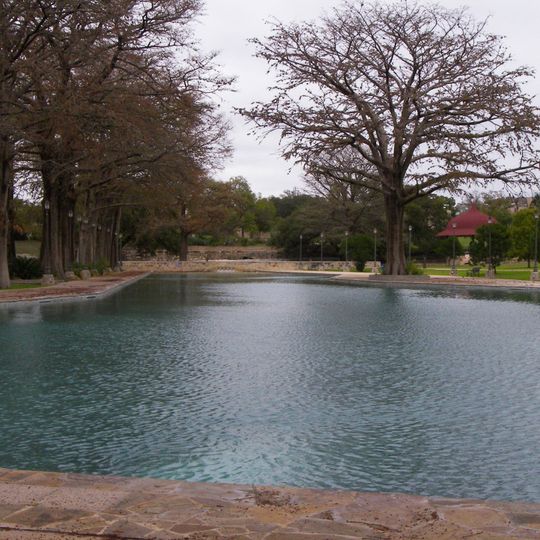
Yanaguana, Indigenous settlement site along San Antonio River, Texas
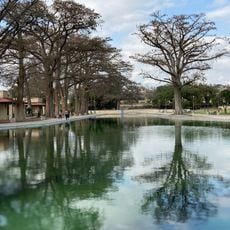
Yanaguana was an indigenous settlement along the San Antonio River featuring natural springs and fertile banks that supported the Payaya people. The site stretched across multiple sections of riverbank, providing the water and resources necessary for permanent settlement.
Spanish Franciscan priest Damián Massanet first documented this Payaya settlement in 1691, marking the beginning of European contact. This encounter set in motion the transformations that would reshape indigenous life in the region.
The Payaya people shaped their daily life around the river, using its waters for fishing and gathering while holding ceremonial celebrations here. These practices rooted the community to this place for generations before outside contact changed everything.
The National Park Service maintains the Yanaguana Trail that runs along the river, giving visitors an easy way to explore the settlement area. Walking the trail takes you through the landscape where the Payaya community once lived.
The Yanaguana Society, founded in 1933, collected artifacts and published volumes documenting early settlement around San Antonio. This organization became an important record of the indigenous history that might otherwise have been forgotten.
The community of curious travelers
AroundUs brings together thousands of curated places, local tips, and hidden gems, enriched daily by 60,000 contributors worldwide.