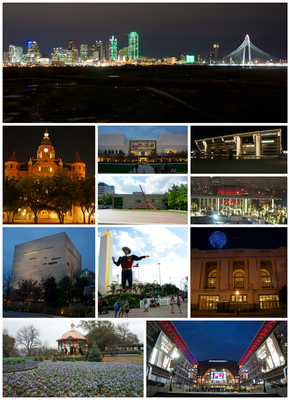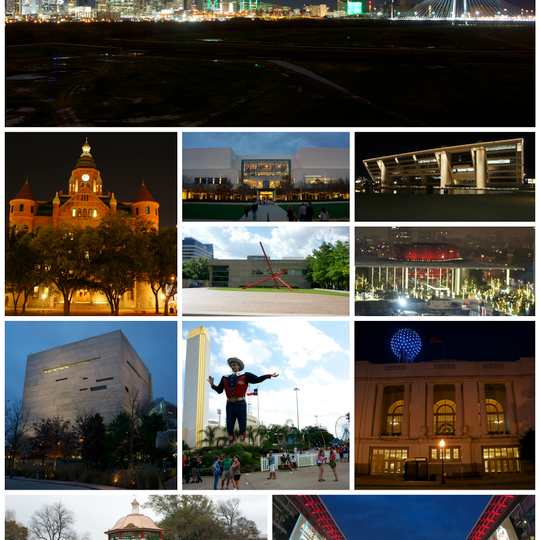
Dallas, Leading trade and economic center in Texas, United States.
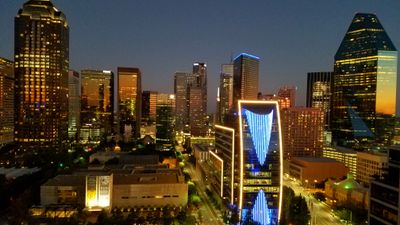
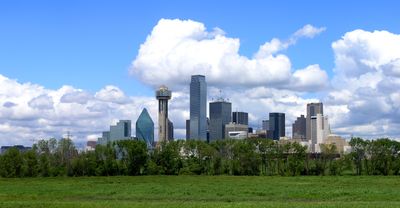
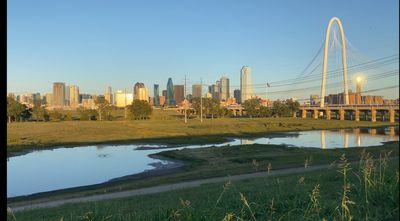
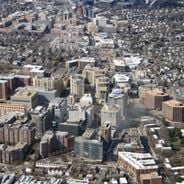
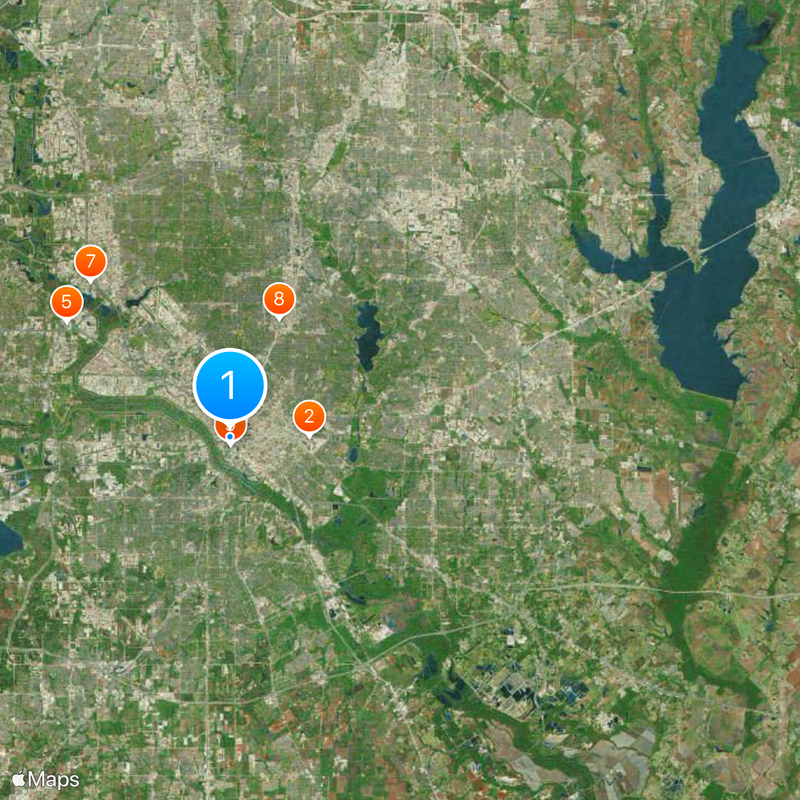
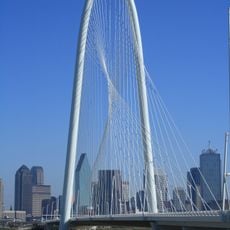
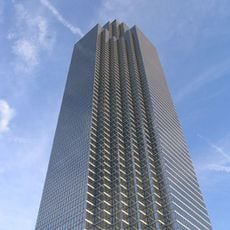
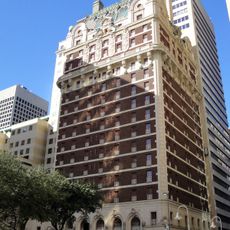
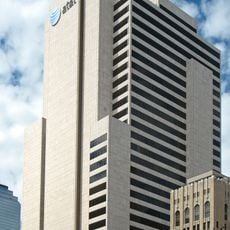
The city lies across five counties in Texas and stretches over a flat plain where neighborhoods of low houses and tree-lined avenues alternate with clusters of modern towers. Downtown, glass and steel skyscrapers rise to form the financial district, crossed by wide streets and green boulevards that connect office blocks with open plazas.
A settler established a trading post here in 1841 at the crossing of two trails that guided pioneers and cattle drivers across the prairie. Several railroad lines reached the area in the 1870s, turning the settlement into a hub for cotton, grain, and livestock moving between eastern markets and western ranches.
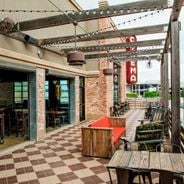
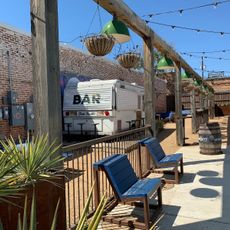
Thousands of families gather on weekends at Klyde Warren Park, a green space built over a highway, where food trucks, music events, and yoga classes shape everyday city life. Young people and artists meet in the neighborhoods of Deep Ellum and Bishop Arts, filling galleries, clubs, and restaurants with jazz, blues, and Latin American rhythms that remain part of the local routine.
Public trains and buses connect downtown with residential areas and suburbs on routes covering more than 90 miles (145 kilometers), used daily by thousands of commuters and visitors. You can explore on foot if you stay in the central district, but plan to use a vehicle or public transport for neighborhoods farther out.
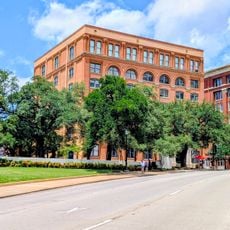
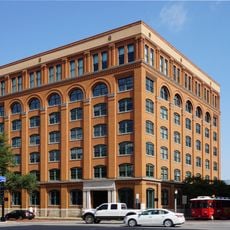
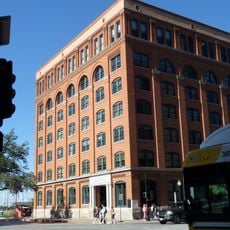
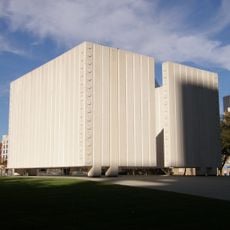
A museum on the sixth floor of a building at Dealey Plaza collects photographs, film footage, and personal items documenting the day in November 1963 when President Kennedy was shot. The windows of the room look down on the street where the events unfolded, and visitors can follow the perspective that made headlines around the world at that time.
The community of curious travelers
AroundUs brings together thousands of curated places, local tips, and hidden gems, enriched daily by 92,751 contributors worldwide.