Tenayuca, Pre-Columbian archaeological site in Tlalnepantla de Baz Municipality, Mexico.
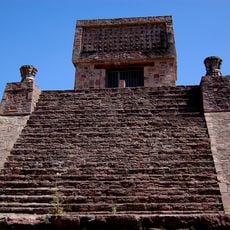
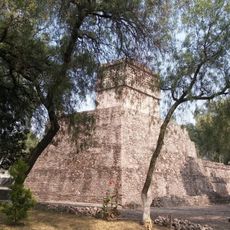
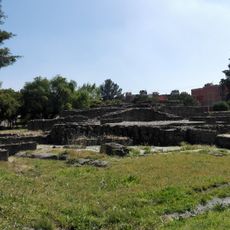
Tenayuca is an archaeological site in Tlalnepantla de Baz Municipality, Mexico, featuring a large pyramid with stone serpent heads and several ceremonial platforms. The walls show nested building layers, with older structures encased by newer ones and outer walls lined with carved stone reptiles.
The leader Xolotl established Tenayuca in the 13th century after his group moved into the Valley of Mexico from the north. Later rulers rebuilt the pyramid several times until it was finally abandoned in the 16th century.
The name Tenayuca relates to fortified places, and the site today still shows massive stone platforms that once supported religious rituals. Visitors see how later building phases wrapped around the original structure, each new layer reflecting the growing identity of the community.
The site opens on Tuesday and remains accessible through Sunday, with Mondays closed. English-speaking guides are available at the entrance, and visitors can explore the structures around the central pyramid on their own with a site map.
The outer walls of the pyramid display exactly 365 carved serpent heads, matching the days of a solar year. This arrangement links architecture with the calendar and shows how closely religious buildings were tied to astronomical cycles.
The community of curious travelers
AroundUs brings together thousands of curated places, local tips, and hidden gems, enriched daily by 91,076 contributors worldwide.