San Juan Province, Administrative province in the southwestern region, Dominican Republic
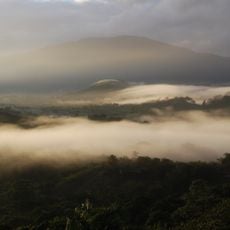
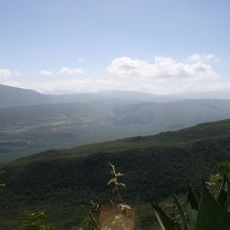
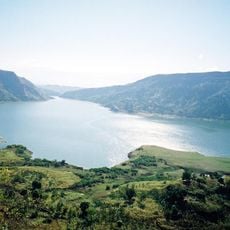
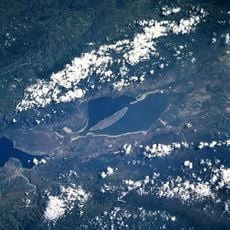
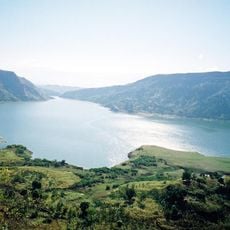
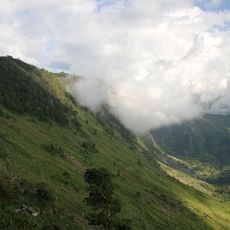
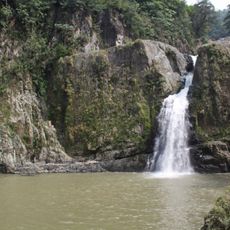
San Juan Province sits in the southwestern part of the Dominican Republic, featuring mountains, valleys, and three major rivers across its territory. The landscape combines various terrains that support both agriculture and water resources for the wider region.
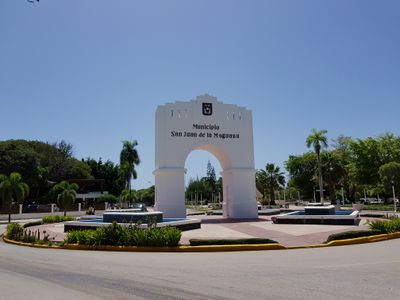
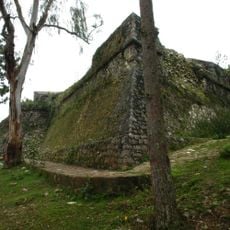
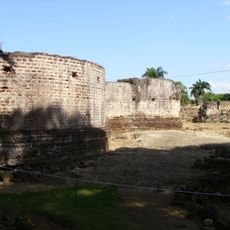
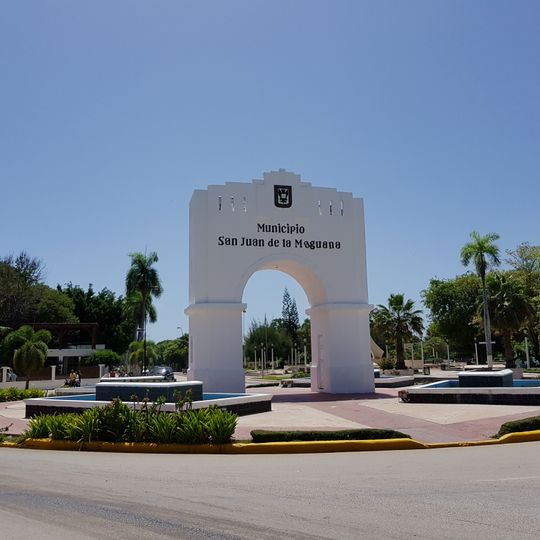
The province was created in 1938, but the territory has much older roots going back to Taino peoples who lived here before Spanish arrival. A Spanish settlement called San Juan de la Maguana was founded in 1503 and became central to the region's development.
Farming festivals happen throughout the year, with traditional music and local dishes bringing communities together to mark harvests. These gatherings show how deeply agriculture shapes daily life and identity in the region.
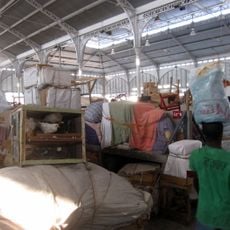
The region grows beans, peanuts, corn, and dairy products that supply much of the country, making it an agricultural hub worth visiting. Exploring local markets and farmland gives you a sense of how food production shapes the economy and daily routines here.
Three dams—Sabaneta, Sabana Yegua, and Palomino—generate electricity and manage water resources across the province. Few visitors realize how much these structures affect daily life and economic activity beyond just farming.
The community of curious travelers
AroundUs brings together thousands of curated places, local tips, and hidden gems, enriched daily by 90,802 contributors worldwide.