Monterey Bay National Marine Sanctuary, Marine protected area in central California coast, USA.
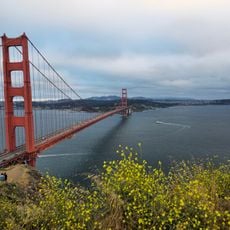
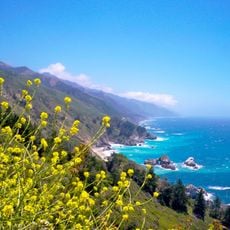
Monterey Bay National Marine Sanctuary extends along the California coast from San Francisco to Cambria, protecting a range of ocean environments and habitats. The protected waters include shallow coastal areas, deep underwater canyons, and open ocean regions that support different kinds of marine life.
A sanctuary was first proposed in 1967 with lobbying by the Sierra Club, and in 1975 the California Coastal Commission recommended one; Santa Cruz and Monterey counties joined the effort in 1976. The Reagan administration dropped the idea in 1983, but Congress re-authorized the Sanctuaries Act in 1988 and proposed a Monterey Bay sanctuary. Public hearings, recalling the 1969 Santa Barbara oil spill, demanded a larger area, and the sanctuary was designated on September 18, 1992.
The sanctuary represents a meeting point where fishermen, scientists, and coastal residents work together to understand and protect the ocean's life. Visitors experience this connection through centers that show how local people depend on and care for the waters around them.
You can visit the area at various coastal access points or join whale watching tours to see marine animals up close. Educational centers in Santa Cruz and San Simeon provide information and help visitors understand the ocean environment better.
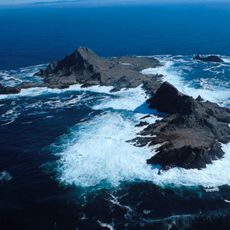
The sanctuary records 1,276 reported shipwrecks and 718 prehistoric sites, the latter being traces of early coastal peoples rather than ancient settlements. Since 2000, every rock, reef and island in the protected area has belonged to the California Coastal National Monument, managed by the Bureau of Land Management.
The community of curious travelers
AroundUs brings together thousands of curated places, local tips, and hidden gems, enriched daily by 94,695 contributors worldwide.