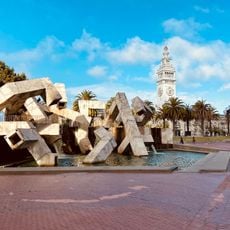
Yerba Buena, Early Spanish settlement in San Francisco, California.
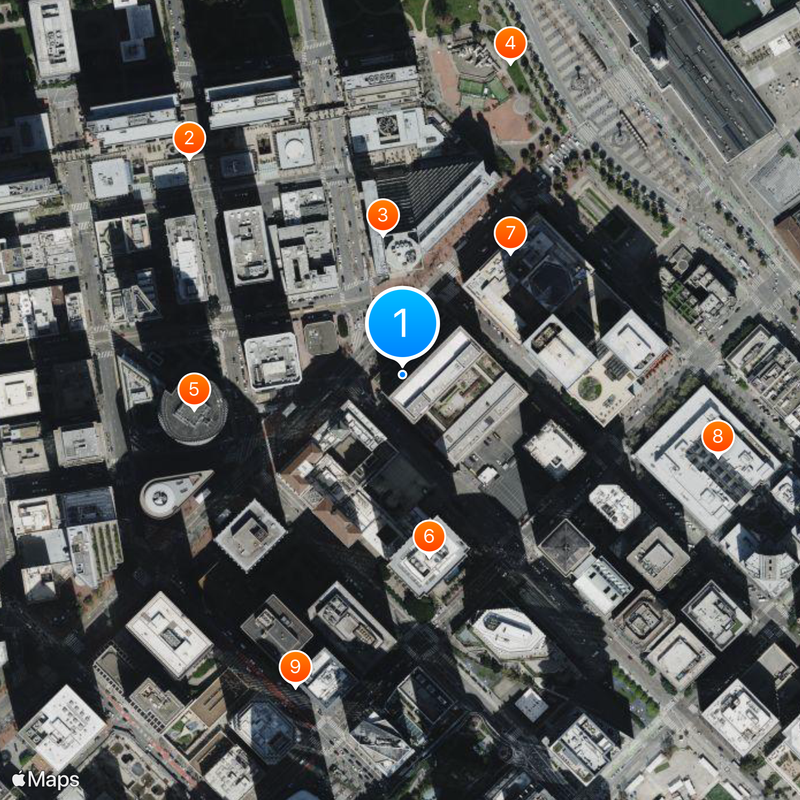
Yerba Buena was an early Spanish settlement in the northeastern area of the San Francisco Peninsula, centered around a natural anchorage near present-day Portsmouth Square. The location was bounded by the waters of Yerba Buena Cove and served as the foundation for the urban grid that would eventually structure modern San Francisco.
The settlement was founded following Spanish colonial patterns and grew into the region's trading hub. On January 30, 1847, Lieutenant Washington Bartlett officially renamed it San Francisco during the Mexican-American War.
The settlement developed following Spanish colonial patterns, with a central plaza that became the foundation for today's Financial District and Chinatown neighborhoods. You can still trace these original design principles in how the streets and blocks are arranged throughout this part of the city.
William Richardson and Francisco de Haro established the first street layout, creating the foundation for San Francisco's modern urban grid. This original street pattern remains the basis for how the city is organized in this area today.
The name comes from Clinopodium douglasii, a native mint plant that grew abundantly along the northeastern shores of the San Francisco Peninsula. This plant gave the colonial settlement its distinctive name before the area was later renamed.
The community of curious travelers
AroundUs brings together thousands of curated places, local tips, and hidden gems, enriched daily by 60,000 contributors worldwide.