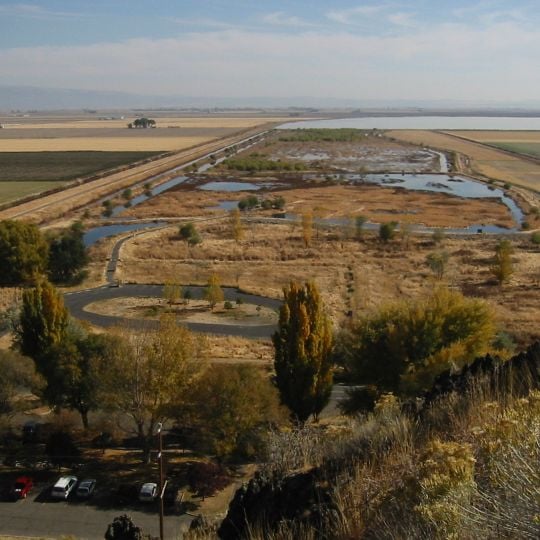
Tule Lake National Wildlife Refuge, Nature reserve in northern California, US
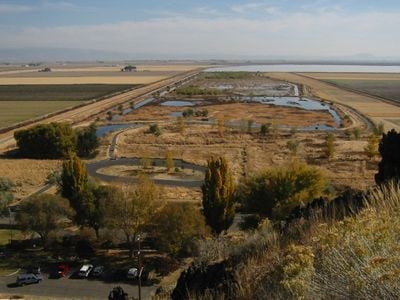
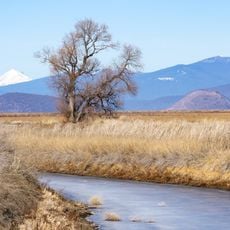
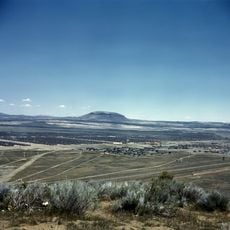
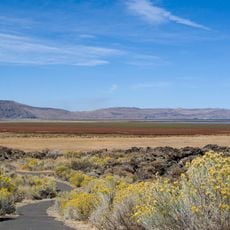
Tule Lake National Wildlife Refuge is a nature reserve in northern California, close to the Oregon border, made up of wetlands, marshes, and working farmland set across a broad, flat basin. The area provides habitat for a wide range of bird species and other wildlife throughout the year.
The refuge was established in 1928 by President Calvin Coolidge to protect habitat for birds and other animals. It covers 39,116 acres in the Tule Lake basin, straddling Modoc and Siskiyou counties near Klamath Falls. Drainage canals had already degraded parts of the wetlands northwest of the lake, though a large peat wetland complex survived.
About 19,000 acres of the refuge are cropland leased to growers, who raise potatoes, onions, horseradish, alfalfa and cereals beside the marshes. The refuge's stated aims pair conserving marsh habitat with developing sustainable agriculture and keeping farming practices within the refuge compliant. Visitors driving the refuge roads see irrigated fields and open water side by side.
The visitor center is a good starting point to pick up maps and get your bearings before heading out on the trails. The best time to spot wildlife depends on the season, as different species move through at different times of the year.
The refuge sits along one of the more heavily used stretches of the Pacific Flyway, meaning very large flocks of waterfowl can gather here in fall. This can be observed from a car along a designated auto tour route, which lets visitors watch birds without disturbing them.
The community of curious travelers
AroundUs brings together thousands of curated places, local tips, and hidden gems, enriched daily by 94,455 contributors worldwide.