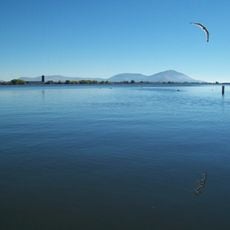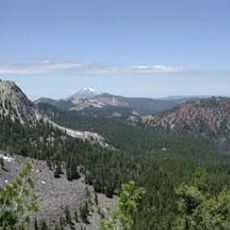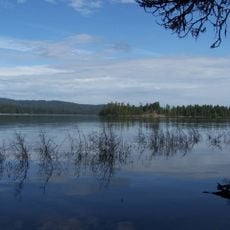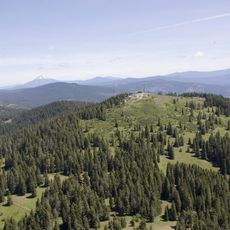
John C. Boyle Dam, Embankment gravity dam in Klamath County, US.
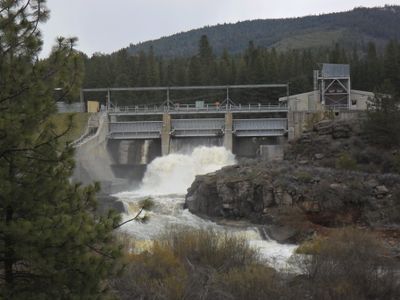
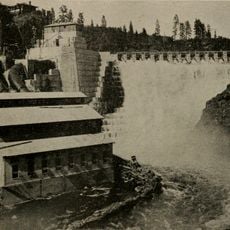
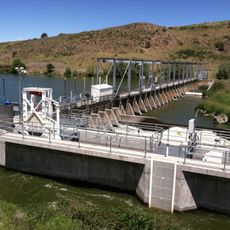
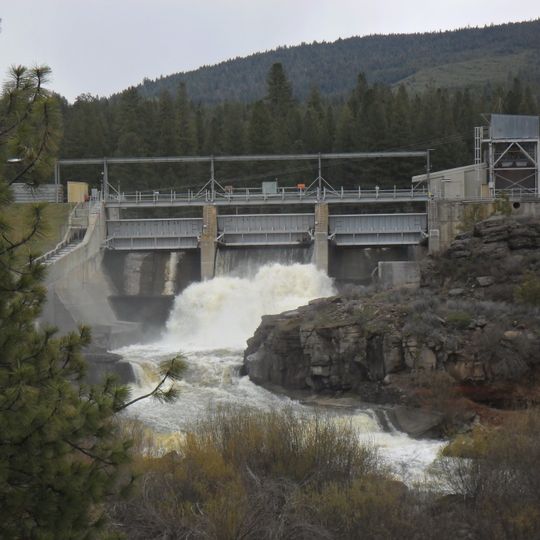
The John C. Boyle Dam was a concrete structure that stretched across the Klamath River and incorporated an earthen section designed for water storage and electricity generation. The facility included three spillway gates, fish screens, and a fish ladder that worked together to manage flow and protect aquatic life.
Built from 1956 to 1958, the dam was part of a broader hydroelectric project designed to power the region with renewable energy. In 2024, the structure was decommissioned and removed, marking a significant reversal in the region's approach to river management.
The dam's removal in 2024 marked a turning point in how the region views waterways, with communities embracing the restoration of the river and its natural processes. This shift reflected growing recognition that returning the river to its original state could benefit both local ecosystems and future generations.
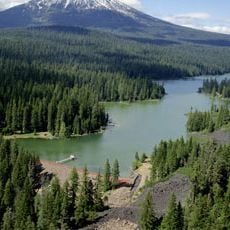
Information about the removal process and ongoing restoration efforts is available through local sources and regional water management agencies. Visiting the site today shows the area in transition as the river begins to reclaim its natural form.
The dam removal was one of the largest infrastructure removal projects completed in the western United States focused on river restoration. This event marked a dramatic shift in how society balances energy needs with environmental recovery.
The community of curious travelers
AroundUs brings together thousands of curated places, local tips, and hidden gems, enriched daily by 60,000 contributors worldwide.