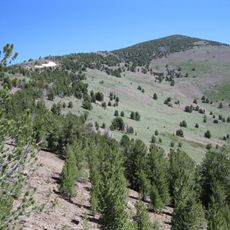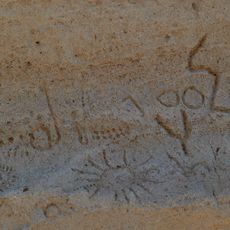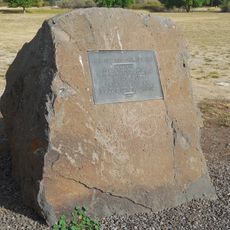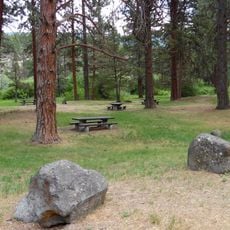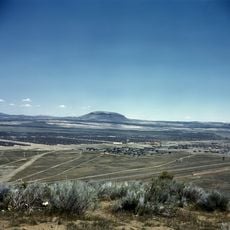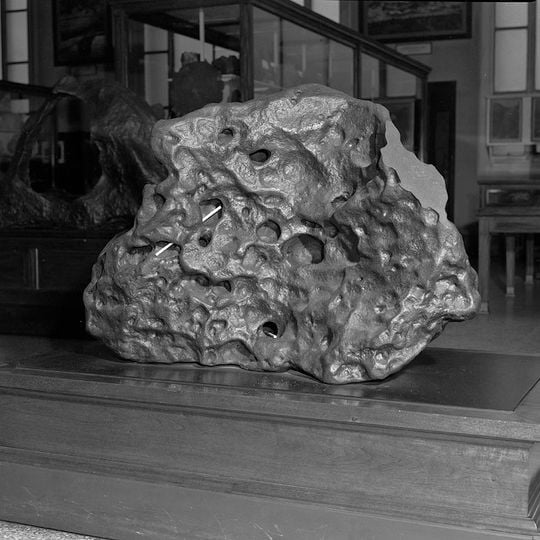
Goose Lake meteorite, Meteorite location in Modoc County, California, United States.
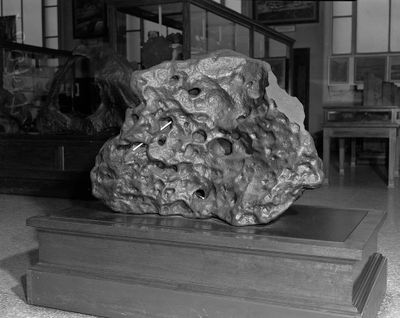
The Goose Lake meteorite is a substantial iron meteorite weighing approximately 1,170 kilograms and belongs to the IAB-sLL group of iron meteorites discovered in northern California. It can be examined today at the National Museum of Natural History in Washington, D.C., displayed alongside other space objects.
Two hunters from Oakland discovered this iron meteorite on October 13, 1938, during an expedition in the California wilderness. The Smithsonian Museum acquired the specimen shortly afterward in 1939 for its significant collection of space objects.
The meteorite was displayed at the Golden Gate International Exposition in San Francisco from 1939 to 1941, where it became a major attraction for the public. This exhibition helped spark widespread interest in objects from space among visitors.
This meteorite is located at the National Museum of Natural History in Washington, D.C., where visitors can view it in the minerals and meteorites exhibition. Plan your visit during regular museum hours to properly explore the various exhibition areas at a comfortable pace.
This meteorite struck Earth without creating an impact crater, suggesting an unusually low velocity during its contact with the surface. This rare characteristic makes it particularly interesting to scientists studying how meteorites behave when entering the atmosphere.
The community of curious travelers
AroundUs brings together thousands of curated places, local tips, and hidden gems, enriched daily by 60,000 contributors worldwide.