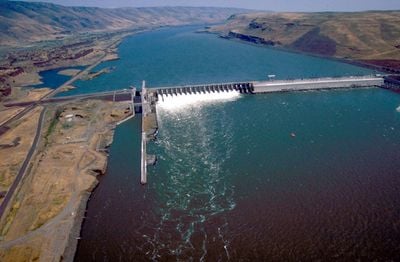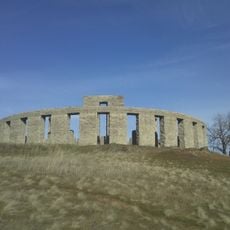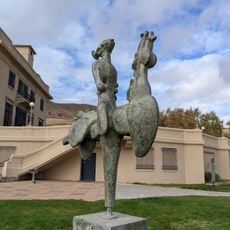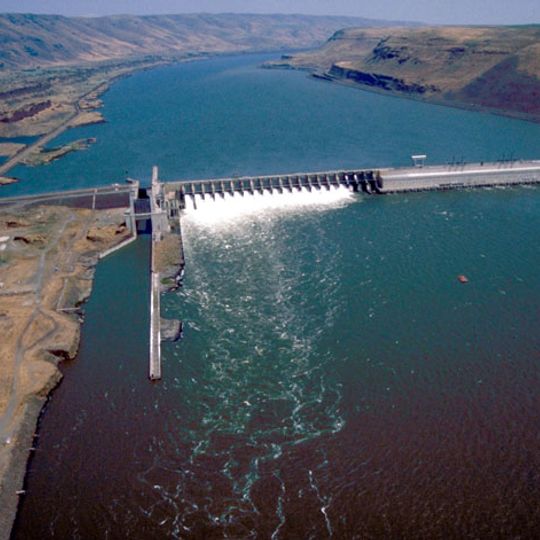
John Day Dam, Hydroelectric power station and dam on Columbia River, Oregon and Washington, United States.
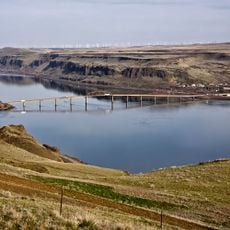
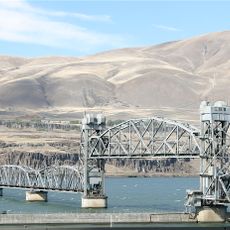
The John Day Dam stretches 1719 meters across the Columbia River, using 16 turbines that together generate 2160 megawatts of electricity for the Pacific Northwest region. A lock chamber alongside the main structure allows barges to pass through the different water levels.
The United States Army Corps of Engineers began construction in 1959 and completed the project after twelve years of intensive work on river regulation. The construction changed the landscape between Oregon and Washington, creating a controlled waterway for navigation and power generation.
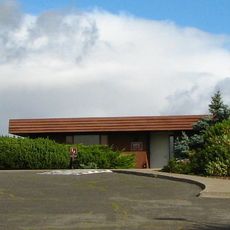
A visitor center sits one kilometer downstream, where windows open into the turbine bay and reveal the process of power generation. The place sees regional school groups during salmon runs, when families gather at observation stations to watch fish climb the ladders.
The site is accessible during daylight hours via a road along the north shore, and parking areas sit close to visitor facilities. During salmon runs in spring and autumn, viewing rooms fill quickly, so mornings tend to be less crowded.
The fish ladder includes over 30 pools rising 34 meters in elevation, and video cameras record every fish that swims through. These recordings help biologists track migration patterns and population numbers without disturbing the animals.
The community of curious travelers
AroundUs brings together thousands of curated places, local tips, and hidden gems, enriched daily by 91,225 contributors worldwide.