Yale Lake, reservoir on the Lewis River in Washington state, United States of America
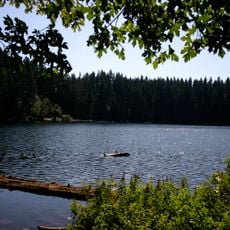
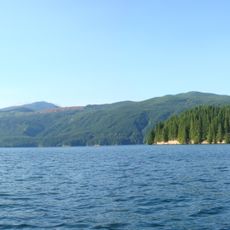
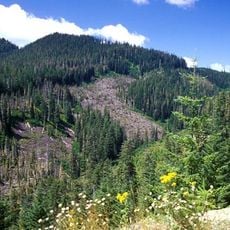
Yale Lake is a reservoir in western Washington, formed by a dam built across the Lewis River. Its shoreline alternates between dense forest and rocky outcrops, with several access points where visitors can launch boats or reach the water on foot.
The dam was completed in 1953, flooding the Lewis River valley to create the reservoir and generate electricity for the region. Before the water rose, the area was a wooded river valley that disappeared entirely under the new lake.
The name comes from Yale Dam, built in 1953, which flooded the Lewis River valley on the Clark–Cowlitz county line. Today the reservoir is used for boating, fishing and camping at shoreline parks, and the kokanee run in fall draws anglers and watchers to the tributary mouths.
Some parks along the shore are open year-round for day visits, while others offer camping and boat ramps only during certain seasons. Water levels can vary, so checking ahead before you plan to launch a boat is a good habit.
In fall, kokanee salmon, a form of salmon that spends its whole life in fresh water, migrate into the lake's tributaries to spawn and turn a deep red color in the process. Visitors who arrive at the right time of year can spot these fish in the shallows near where the streams meet the lake.
The community of curious travelers
AroundUs brings together thousands of curated places, local tips, and hidden gems, enriched daily by 93,773 contributors worldwide.