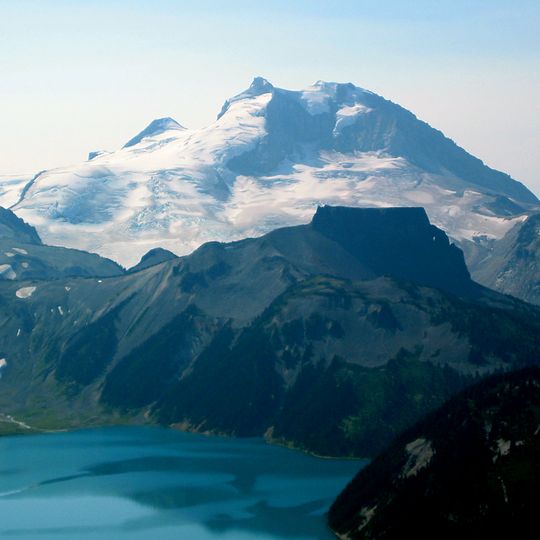
Garibaldi Lake volcanic field, Volcanic field in Squamish-Lillooet Regional District, Canada
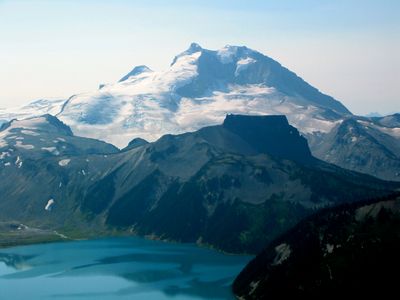
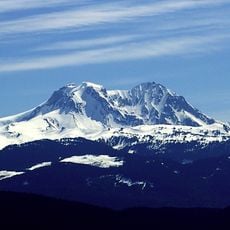
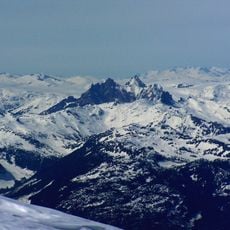
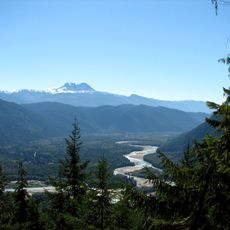
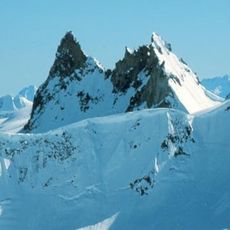
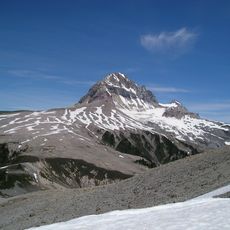
Garibaldi Lake Volcanic Field is a volcanic area in the Squamish-Lillooet region containing nine volcanic structures including four stratovolcanoes and two cinder cones. The highest formations reach approximately 2300 meters (7546 feet) and consist of andesite, a dark rock formed from explosive eruptions.
Volcanic activity began approximately 1.3 million years ago with the formation of Black Tusk, the oldest volcano in this field. Subsequent eruptions over many thousands of years shaped the landscape and created the diverse volcanic structures visible today.
The field attracts geologists and researchers who study the volcanic formations to understand the geological evolution of British Columbia's mountain ranges.
This location requires mountaineering experience and specialized gear, particularly when snow and ice cover the terrain. Visitors should prepare for extreme weather and steep slopes, and ideally travel with experienced guides.
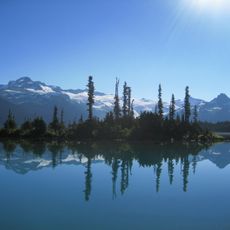
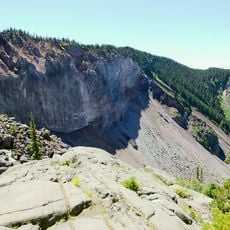
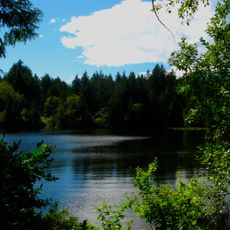
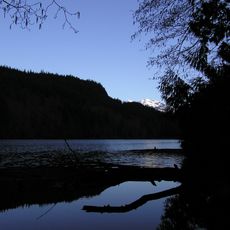
Lava flows that interacted with retreating glaciers created natural barriers which shaped how Garibaldi Lake formed and developed its current basin. This collision between hot volcanic material and ice created unique landforms found nowhere else in the region.
The community of curious travelers
AroundUs brings together thousands of curated places, local tips, and hidden gems, enriched daily by 90,845 contributors worldwide.