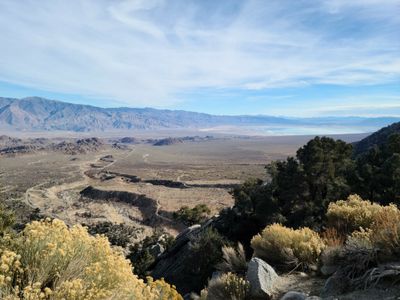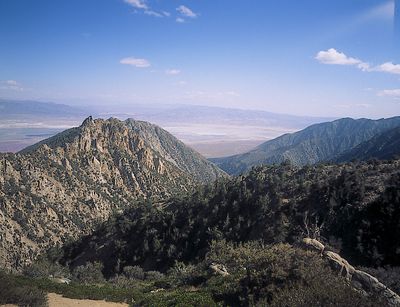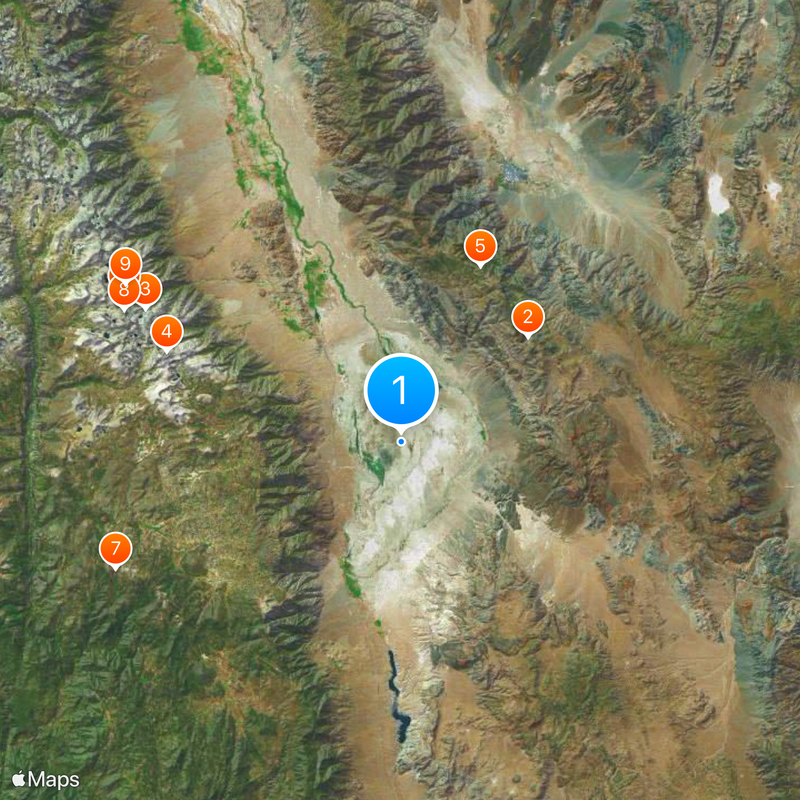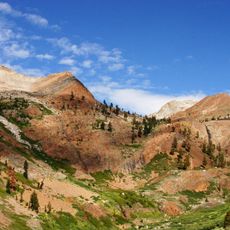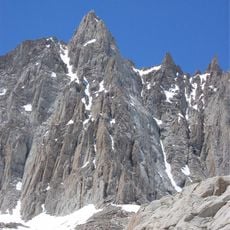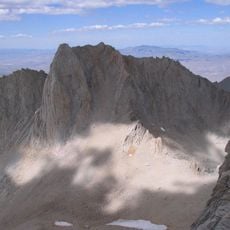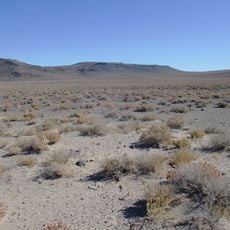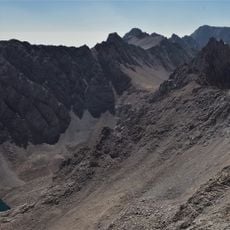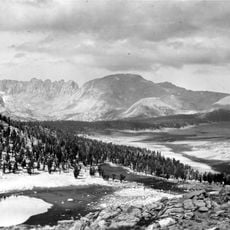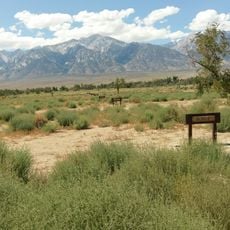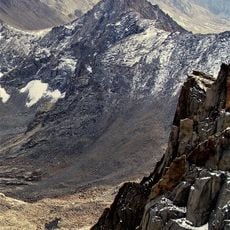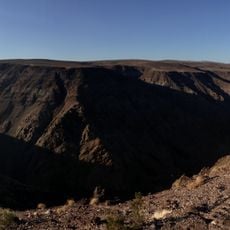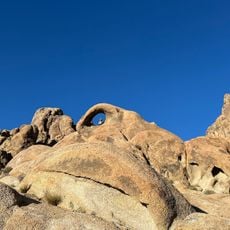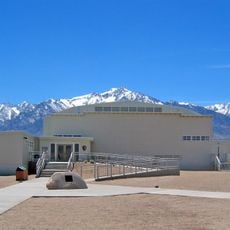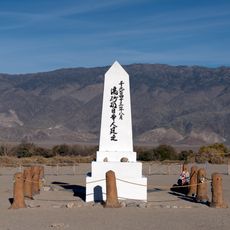
Owens Lake, Salt pan in Owens Valley, California, United States
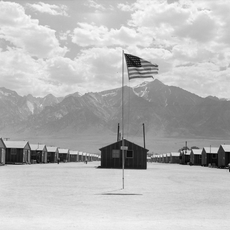
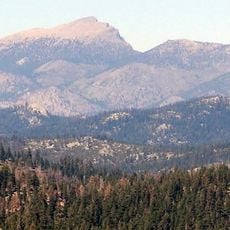
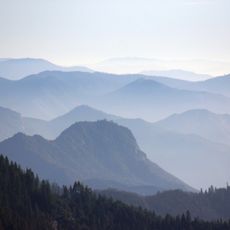
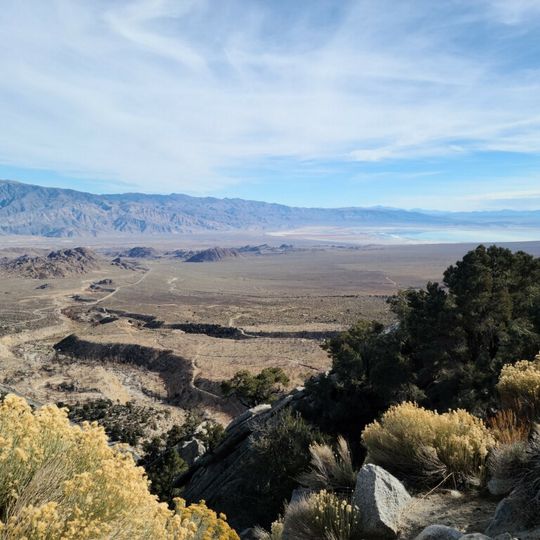
Owens Lake is a dry salt basin in Owens Valley between the Sierra Nevada and the Inyo Mountains in California. The surface covers roughly 108 square miles and sits at an elevation of about 3,550 feet (1,084 m).
The basin held water until 1913, when Los Angeles diverted the Owens River into an aqueduct and sent the water south. The draining triggered decades of conflict with farmers and ranchers and turned the region into a source of dust storms.
The Mono people call the lake Patsiata; the name Owens comes from Richard Owens, a guide to explorer John C. Frémont. The lake bed holds Native American cultural resources, and in 2022 a court backed low-impact dust controls there. Environmental groups now work with indigenous community leaders to keep more water in the lake.
The lake bed is protected and closed to walking and driving; the salt pan is not an accessible surface. Viewing is from public roads and the shore, and the Cartago Wildlife Area at the southern end is open year-round for birdwatching. Dust storms can reduce visibility, and the lake bed is partly shallow-flooded for dust control.
Halobacteria thrive in parts of the salt basin and tint the ground red or pink in places. These microorganisms survive in extreme salt concentration and create an unusual color pattern visible from the roadside.
The community of curious travelers
AroundUs brings together thousands of curated places, local tips, and hidden gems, enriched daily by 92,764 contributors worldwide.