Panum Crater, Volcanic crater in Mono County, California, US.
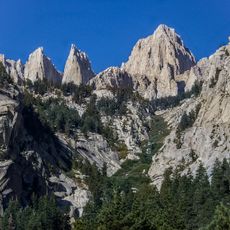
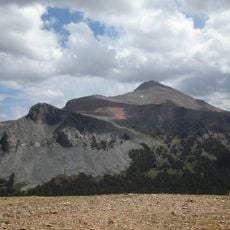
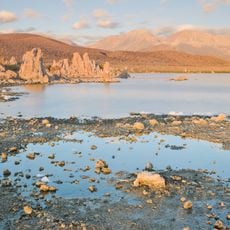
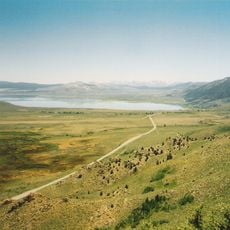
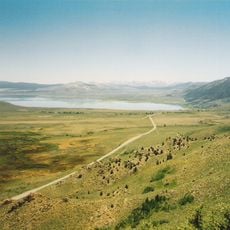
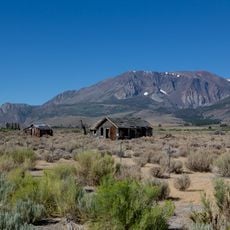
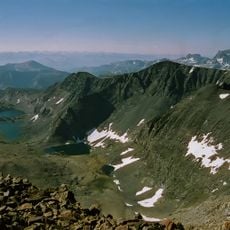
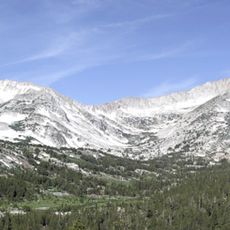
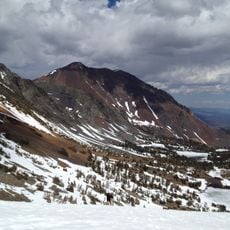
Panum Crater is a volcanic formation in Mono County featuring a network of lava domes, obsidian deposits, and pumice beds. The varied geological layers visible throughout the site reveal different phases of eruption that created this natural landmark.
Panum Crater is between 600 and 700 years old, placing its formation around the 14th century. Its eruption began when rising magma met groundwater, blasting out old lake-bottom sediments and leaving a crater. A cinder cone then built up, followed by a series of rhyolitic lava domes, the last of which still stands.
The obsidian from Panum Crater's rhyolitic lava was used by Native Americans to make arrow points and scrapers. The same glassy rock, together with pumice, forms the central dome, so the material that drew toolmakers is the material visitors walk across today.
Bring plenty of water as the terrain is exposed and dry throughout the area. Sturdy footwear is recommended since the marked trails cross uneven volcanic rock that can be slippery or sharp.
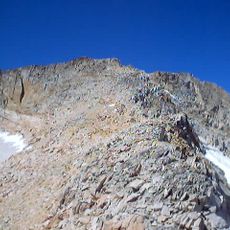
Most of the castle-like spires that pushed through the hardening dome collapsed, broken by rapid cooling and small explosions at their bases. The rocky debris on top of the dome is what remains of them. The dome also shows breadcrust texture, where gas escaping from still-hot rock cracked the cooled outer surface.
The community of curious travelers
AroundUs brings together thousands of curated places, local tips, and hidden gems, enriched daily by 94,407 contributors worldwide.