Coyote Buttes, Mountain formation in Coconino County, United States.
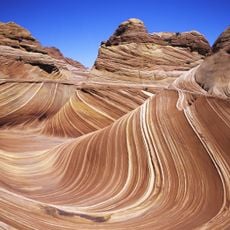
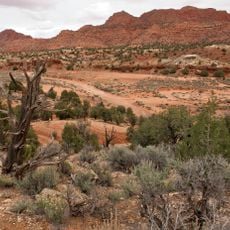
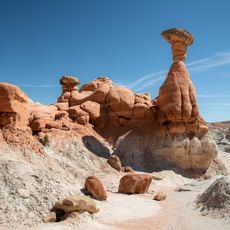
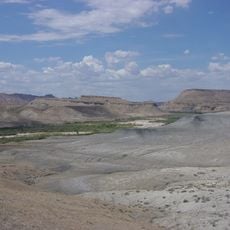
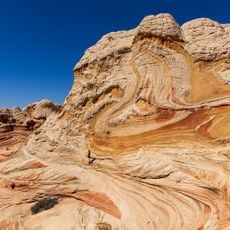
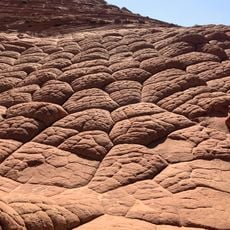
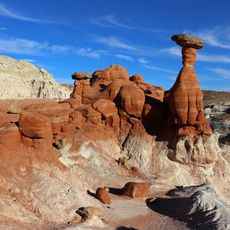
Coyote Buttes is a mountain formation in northern Arizona's desert displaying layered red and white sandstone patterns that flow across the landscape like waves. The rock structures show natural striations and undulating shapes carved by wind and water erosion.
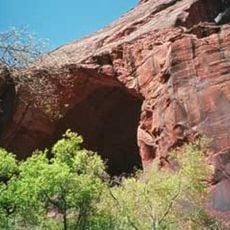
The Coyote Buttes expose cross-bedded aeolian Jurassic Navajo Sandstone, sandstone that began as wind-deposited dunes rather than being carved by erosion. Iron oxide pigments within the layers produce the rust red, salmon pink and cream banding. A 0.75-acre trackway holds more than 1,000 dinosaur footprints made about 190 million years ago, including Eubrontes, Anchisauripus, Grallator and an unidentified sauropodomorph.
The name comes from Coyote Wash, the usually dry drainage that bounds the buttes on the north and west and carries water only after heavy summer storms. The formations are called teepees in the German sources, and the area lies within the Paria Canyon-Vermilion Cliffs Wilderness, where rangers remove any trail markers so visitors navigate by map and landmark.
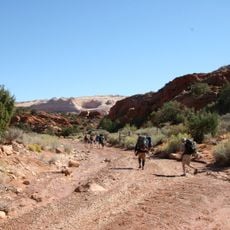
Access to this place requires a permit from the Bureau of Land Management, with the North and South sections managed separately. Visitors should arrive early, wear sturdy footwear, and bring plenty of water since the hike crosses open exposed terrain.
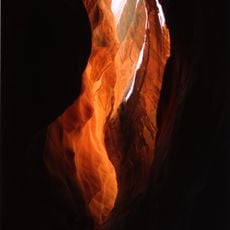
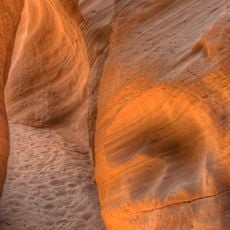
The sandstone surfaces shift noticeably in color as sunlight moves across the wavy rocks throughout the day. This effect is most striking during sunrise and sunset when the rocks glow in warm orange and red tones.
The community of curious travelers
AroundUs brings together thousands of curated places, local tips, and hidden gems, enriched daily by 93,146 contributors worldwide.