Hamelin, Hanseatic municipality in Lower Saxony, Germany
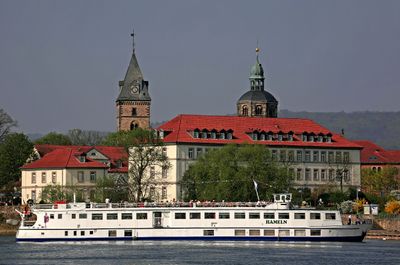
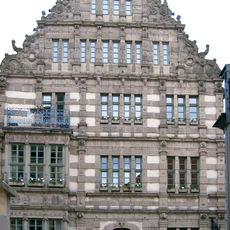
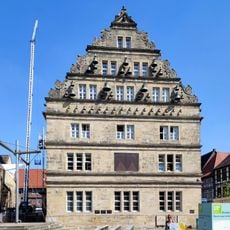
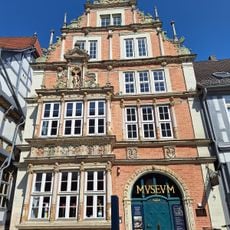
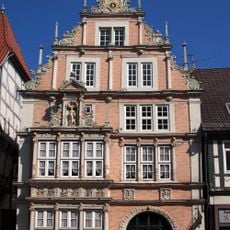
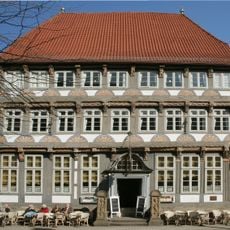
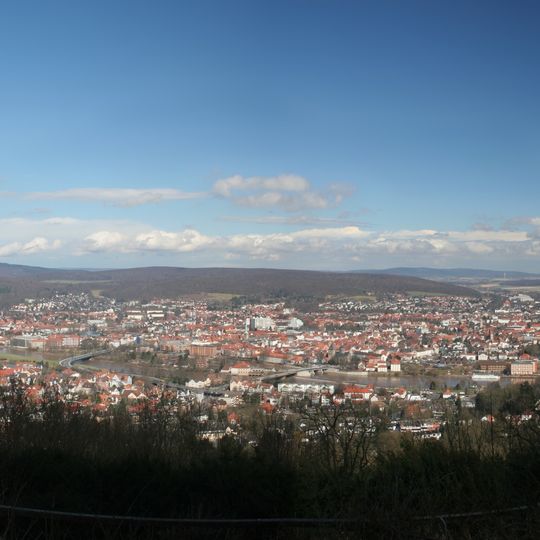
Hamelin is a municipality along the Weser River in Lower Saxony, known for its half-timbered houses from the 16th and 17th centuries and richly decorated sandstone facades in Weser Renaissance style. The old town spreads across several streets with cobblestoned lanes, small squares, and merchant houses whose carved wooden beams and stone ornaments show building crafts from past centuries.
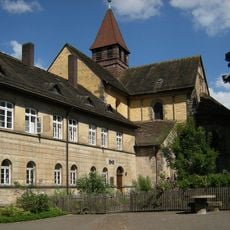
A Benedictine monastery appeared here in 851 and attracted merchants who settled along the river and gained town rights during the Middle Ages. During the Thirty Years' War, Swedish and imperial troops built successive fortifications, which later earned the settlement the nickname Gibraltar of the North.
The tale of the Pied Piper shapes daily life here, with colorful rat symbols marking paths across pavements and costumed performers bringing the story to life on Sunday afternoons. Local shops sell rat-themed souvenirs, and visitors hear musicians playing traditional tunes near the market square throughout summer months.
Most sights sit close together in the center, so exploring on foot works well for visitors of all ages. Narrow lanes can become slippery after rain, so sturdy footwear helps when walking over cobblestones.
A mechanical carillon mounted on the Hochzeitshaus plays the Pied Piper melody three times each day while moving figures turn to the music and act out scenes from the tale. The performance lasts about five minutes and draws crowds who wait in the square in front of the building to watch.
The community of curious travelers
AroundUs brings together thousands of curated places, local tips, and hidden gems, enriched daily by 90,778 contributors worldwide.