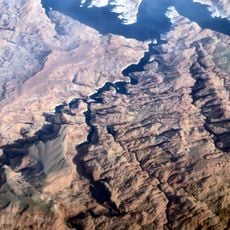
Black Mesa Peabody Coal controversy, Environmental conflict site in Northern Arizona, United States.
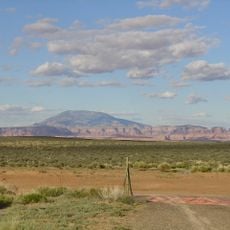
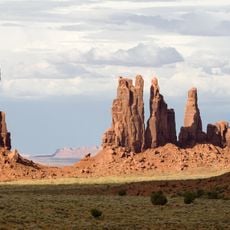
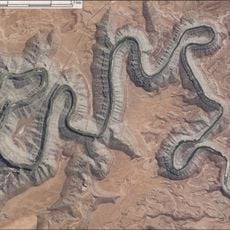
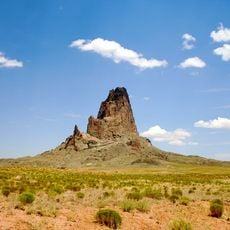
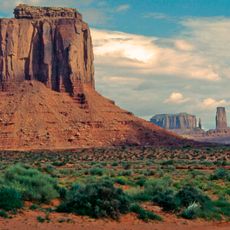
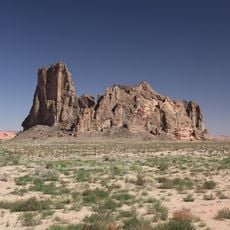
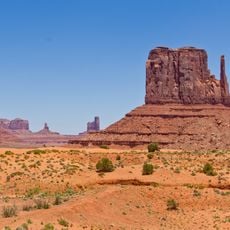
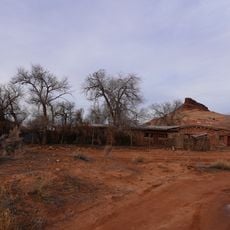
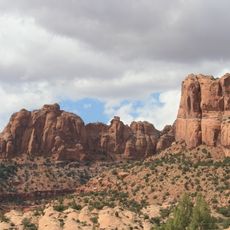
Black Mesa is a region in northern Arizona with substantial coal deposits that were systematically mined by Peabody Energy, affecting water supplies and tribal territories. The mining operations extended over decades and impacted critical groundwater resources essential for agriculture and community survival.
Mining in the region started in the 1960s when Peabody Energy signed contracts with Navajo and Hopi tribes under terms that favored corporate interests. Over subsequent decades, resistance to extraction practices grew as environmental damage became visible to local communities.
This land holds deep spiritual meaning for the Navajo and Hopi people as a place of traditional hunting, gathering, and ceremonial practice. The extraction of resources fundamentally disrupted their connection to the territory and ancestral ways of living.
The site today is difficult to access, as mining areas are not open to the general public and many regions have been altered by extraction. It is best to research accessibility and local guidelines before visiting, since tribal lands require special permits for entry and guided tours.
The power plant that burned coal extracted from Black Mesa was among the largest in the state and caused severe air pollution across the region. Its closure in 2019 marked a belated end to this era of coal extraction.
The community of curious travelers
AroundUs brings together thousands of curated places, local tips, and hidden gems, enriched daily by 90,878 contributors worldwide.