National Historic Oregon Trail Interpretive Center, Museum and historical center in Baker City, United States.
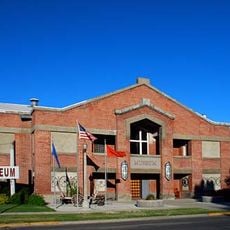
The National Historic Oregon Trail Interpretive Center is a 23,000-square-foot interpretive center on Flagstaff Hill, 6 miles northeast of Baker City, Oregon, on Oregon Route 86. It is operated by the Bureau of Land Management with Trail Tenders and the Oregon Trail Preservation Trust, and has exhibit galleries, multimedia presentations, and more than four miles of interpretive trails.
Planning for the center began in 1987, as chronicled in Dorthy Wooters's book Trail of a Dream, and the center opened in May 1992. A major structural retrofit closed it for a time, and it reopened to full-time operation on March 1, 2001. It is run by the Bureau of Land Management with Trail Tenders and the Oregon Trail Preservation Trust.
The center displays life-size scenes, multimedia presentations, and living history demonstrations showing how pioneers, miners, and Native Americans actually lived day to day. Visitors witness these moments firsthand and gain insight into the daily realities of 19th-century frontier life.
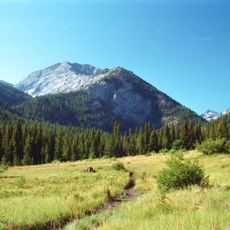
The center sits on Flagstaff Hill, 6 miles northeast of Baker City on Oregon Route 86. More than four miles of interpretive trails leave from the building, crossing open ground on the hilltop. The Bureau of Land Management runs the site with Trail Tenders and the Oregon Trail Preservation Trust.
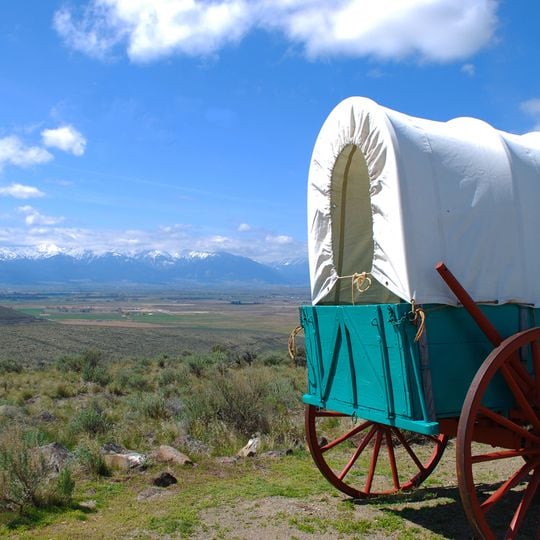
The grounds contain physical remnants of the Flagstaff Gold Mine and original wagon wheel marks pressed into the earth by pioneer vehicles. These visible traces provide direct evidence of the historical presence of these travelers at this location.
The community of curious travelers
AroundUs brings together thousands of curated places, local tips, and hidden gems, enriched daily by 93,782 contributors worldwide.