Idaho National Laboratory, United States national laboratory in Idaho Falls, United States.
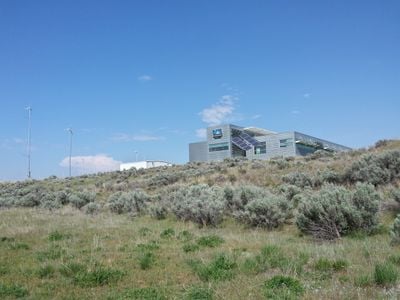
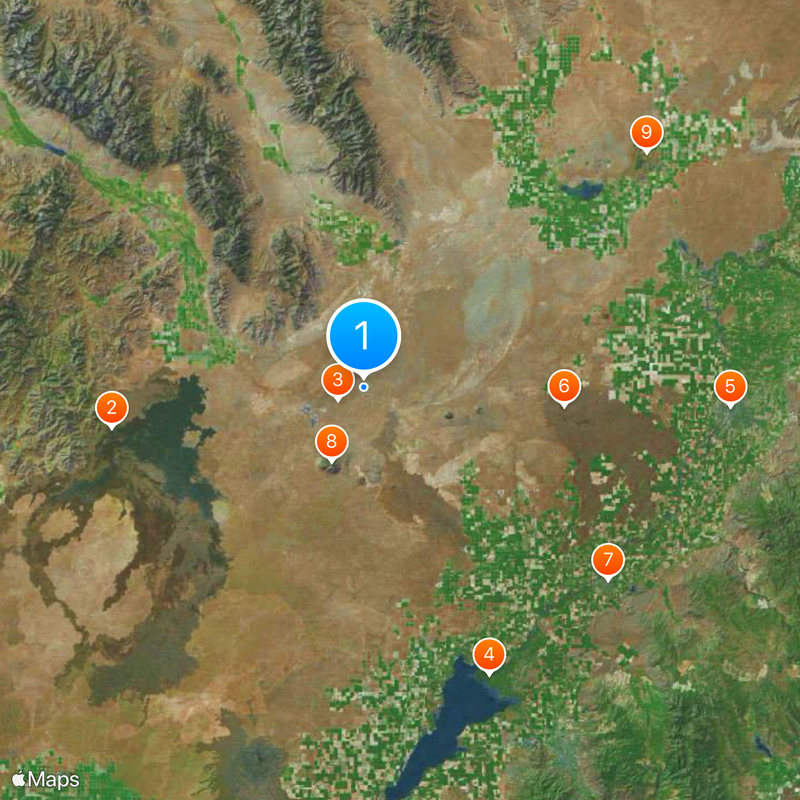
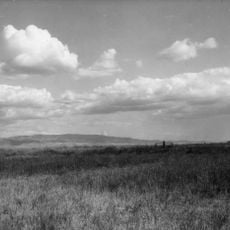
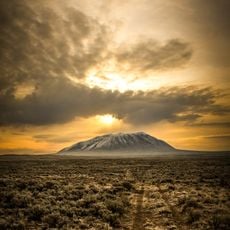
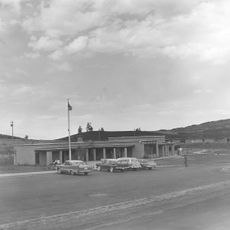
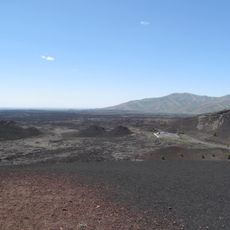
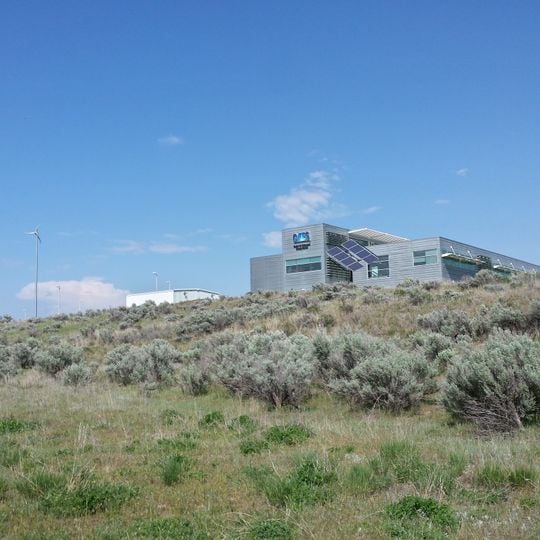
Idaho National Laboratory is a sprawling research complex near Idaho Falls spread across roughly 890 square miles (2,300 square kilometers) of desert terrain. The facility contains dozens of reactors, research buildings, and testing installations distributed across the site.
The facility was founded in 1949 as the National Reactor Testing Station and grew into a center for testing different reactor types during the atomic age. The first nuclear-powered submarine prototype was developed here and set benchmarks for later military and civilian uses of atomic power.
The name reflects this facility's role as a center for atomic research and the development of new energy technologies in the United States. Many of the engineers and scientists trained here come from Idaho and neighboring states, making the facility a regional hub for scientific careers.
The site is normally not open to the public because it is an active research facility with security restrictions. University research groups and scientific partners can gain access to specific areas after prior approval.
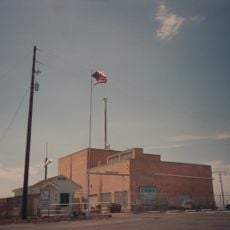
Experimental Breeder Reactor Number 1 became the first reactor in the world to generate electricity from atomic energy on December 20, 1951, initially powering four light bulbs. This facility now stands as a national landmark commemorating the beginning of civilian atomic power use.
The community of curious travelers
AroundUs brings together thousands of curated places, local tips, and hidden gems, enriched daily by 90,966 contributors worldwide.