Saint Peter and Saint Paul Archipelago, Island group in Pernambuco, Brazil
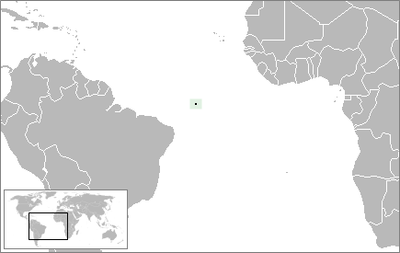
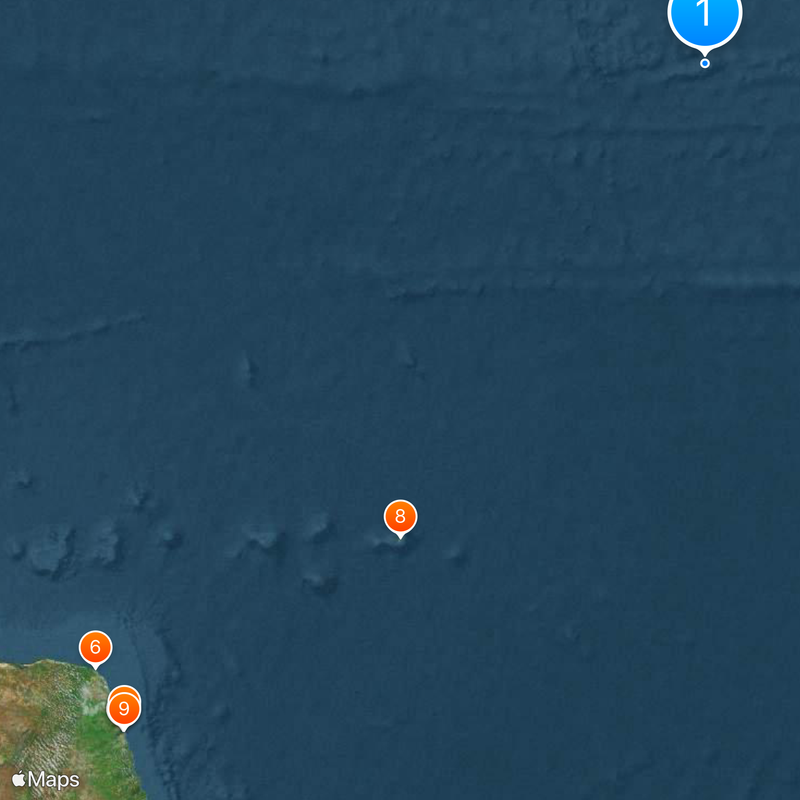
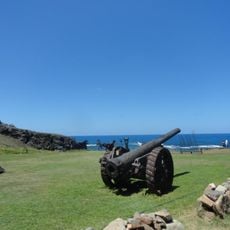
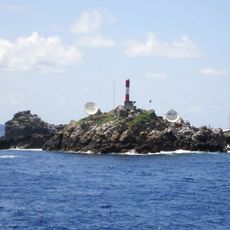
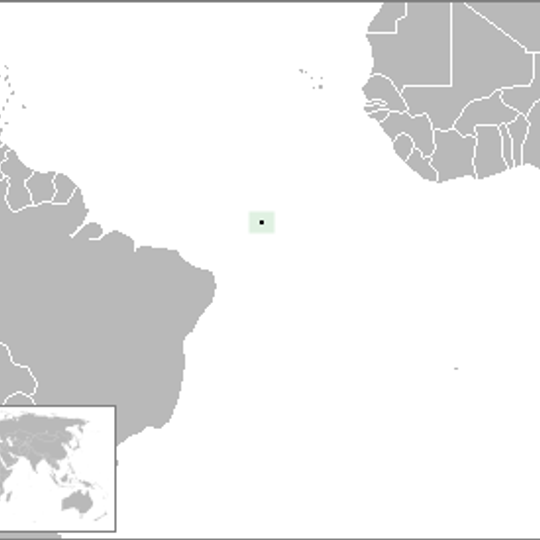
The Saint Peter and Saint Paul Archipelago consists of 15 small islets and rocks situated about 510 nautical miles from the Brazilian mainland in the Atlantic Ocean. The rocky formations rise sharply from the water with little flat ground, creating a dramatic and jagged landscape.
Portuguese explorers first reached the archipelago on April 20, 1511 during their voyage to India after navigation errors brought them to these remote Atlantic waters. The location served as a reference point for early ocean voyages, though the islands remained largely unvisited for centuries afterward.
The Brazilian Navy maintains a scientific station on the archipelago since 1998, where four researchers work in rotation to support territorial claims and studies.
The archipelago has no fresh water sources and no regular tourism, making it accessible mainly through scientific expeditions and research programs. Visits are reserved for specialists and authorized environmental studies.
The islands formed through tectonic uplift rather than volcanic processes, exposing rare mantle rock from the ocean depths. This geological feature makes the site scientifically valuable because processes normally hidden below are visible here at the surface.
The community of curious travelers
AroundUs brings together thousands of curated places, local tips, and hidden gems, enriched daily by 91,825 contributors worldwide.